

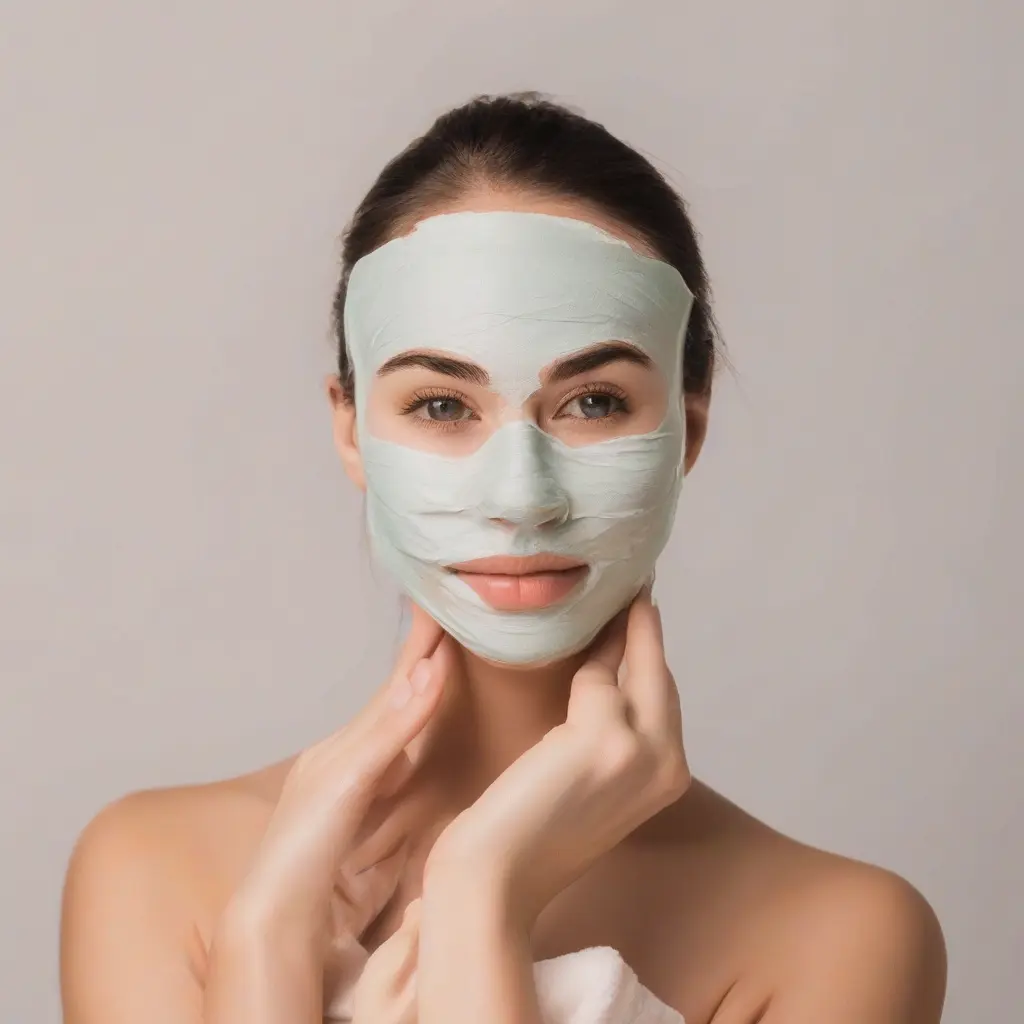
Facial masks are essential tools in skincare, providing targeted treatment for various skin needs, from hydration to detoxification. With an array of options available, each type of mask comes with its unique benefits, making it important for individuals to understand their skin type and concerns. This article explores the different types of facial masks, detailing their specific advantages and how to appropriately incorporate them into a skincare regimen. Whether you are seeking to hydrate, exfoliate, or rejuvenate, there is a mask tailored for your needs.
Hydrating Facial Masks: Quenching Dry Skin
Hydrating facial masks are formulated to replenish moisture in the skin, making them especially beneficial for individuals with dry or dehydrated skin. These masks often contain ingredients like hyaluronic acid, aloe vera, or glycerin that effectively attract and hold water in the skin. Regular application of hydrating masks can lead to noticeable improvement in skin texture, making it feel softer and appear more radiant. Additionally, they help to mitigate the effects of environmental stressors, ensuring that skin remains plump and adequately hydrated.
Clay Masks: Purifying Benefits for Oily Skin
Clay masks are known for their purifying properties, particularly effective for individuals with oily or acne-prone skin. These masks typically feature natural clays like bentonite or kaolin, which absorb excess oil and draw out impurities from the skin. By using a clay mask, users can reduce the appearance of pores and prevent breakouts, promoting clearer skin. The detoxifying nature of clay masks provides a cooling sensation, which can help soothe inflamed skin, ensuring that the complexion looks and feels revitalized.
Sheet Masks: Targeted Treatment in a Convenient Form
Sheet masks have surged in popularity due to their convenience and targeted treatment options. These premade masks are soaked in serums rich in active ingredients like vitamins, minerals, and antioxidants, designed to address specific skin concerns. By applying a sheet mask, individuals can experience a spa-like treatment at home, allowing for deep hydration and rejuvenation. The fabric adheres closely to the contours of the face, maximizing the absorption of the product, making them ideal for quick fixes or a self-care ritual.
Exfoliating Masks: Renewing Your Skin’s Surface
Exfoliating masks are essential for achieving smooth and radiant skin, as they aid in removing dead skin cells and promoting cell turnover. Formulated with chemical exfoliants like alpha-hydroxy acids (AHAs) or beta-hydroxy acids (BHAs), these masks slough away dullness and reveal fresher skin. Depending on the formulation, exfoliating masks can also help reduce the appearance of fine lines and improve skin texture. Incorporating these masks into your routine can result in a brighter and more youthful complexion.
Peel-off Masks: Instant Clarity for Your Skin
Peel-off masks provide an invigorating skin treatment experience, as they adhere to the skin and are removed in one peel, taking impurities and dead skin with them. These masks are available in various formulations that can offer benefits such as brightening, tightening, or clarifying the skin. The act of peeling not only gives an immediate sense of freshness but also reveals smoother skin underneath. They are particularly enjoyable for those who prefer a visible method of cleansing and promoting skin clarity.
Charcoal Masks: Detoxification Powerhouse
Charcoal masks are celebrated for their deep-cleansing properties, primarily due to activated charcoal’s ability to absorb impurities and excess oil. These masks are particularly beneficial for oily or acne-prone skin and work to unclog pores and reduce the risk of future breakouts. By employing charcoal in your skincare routine, you can achieve a clearer and more balanced complexion. Regular use can lead to a more refined appearance, making these masks a staple for those seeking to detoxify their skin effectively.
Overnight Masks: Intensive Hydration while You Sleep
Overnight masks are designed to provide deep hydration and nourishment throughout the night, when the skin is primarily in repair mode. These leave-on products are formulated with potent ingredients like peptides and antioxidants, allowing for maximum absorption while you sleep. Incorporating an overnight mask into your nighttime routine can yield significant benefits, resulting in radiant and rejuvenated skin by morning. This type of mask is especially useful for those with dry or dull skin seeking a quick yet effective revival.
Choosing the Right Facial Mask for Your Skin Type
Selecting the appropriate facial mask is crucial for achieving desired results and addressing specific skin concerns. For oily skin, clay and charcoal masks are often recommended due to their oil-absorbing properties. Conversely, individuals with dry or sensitive skin may find hydrating or soothing masks more beneficial. Combination skin types can benefit from alternating masks to target both hydration and excess oil. Understanding your skin type and needs will ultimately help in choosing a mask that maximizes effectiveness for your skincare routine.
How Often Should You Use Facial Masks?
Determining how often to use facial masks hinges on the type of mask and your skin’s needs. Hydrating masks can typically be used several times a week for optimal moisture retention. In contrast, clay and exfoliating masks should be reserved for weekly use to avoid over-exfoliation and irritation. Peel-off and charcoal masks may also be used once or twice a week, depending on individual skin sensitivity. Monitoring your skin’s response will help you establish a flexible schedule that promotes overall skin health.
Incorporating Facial Masks into Your Skincare Routine
Integrating facial masks into your skincare routine can significantly enhance your overall regimen, but it requires proper timing and technique. Start by thoroughly cleansing your face to remove any dirt or makeup. Once clean, apply any targeted treatments, such as serums, before using your mask for maximum benefit. Masks should generally follow the cleansing step but precede moisturizing. Once the mask has been removed or absorbed, finish with a suitable moisturizer to lock in hydration and maximize results, transforming your mask application into a luxurious self-care ritual.
Conclusion
In conclusion, exploring the benefits of various facial masks reveals their significant roles in skincare routines tailored to individual needs. Each type of mask offers distinct advantages, from hydration to detoxification, catering to diverse skin concerns. By understanding how to utilize these masks effectively and choosing the right ones for specific skin types, individuals can enhance their skincare experience. Regular use of appropriate facial masks can lead to improved skin health and appearance, ensuring a vibrant and youthful glow.