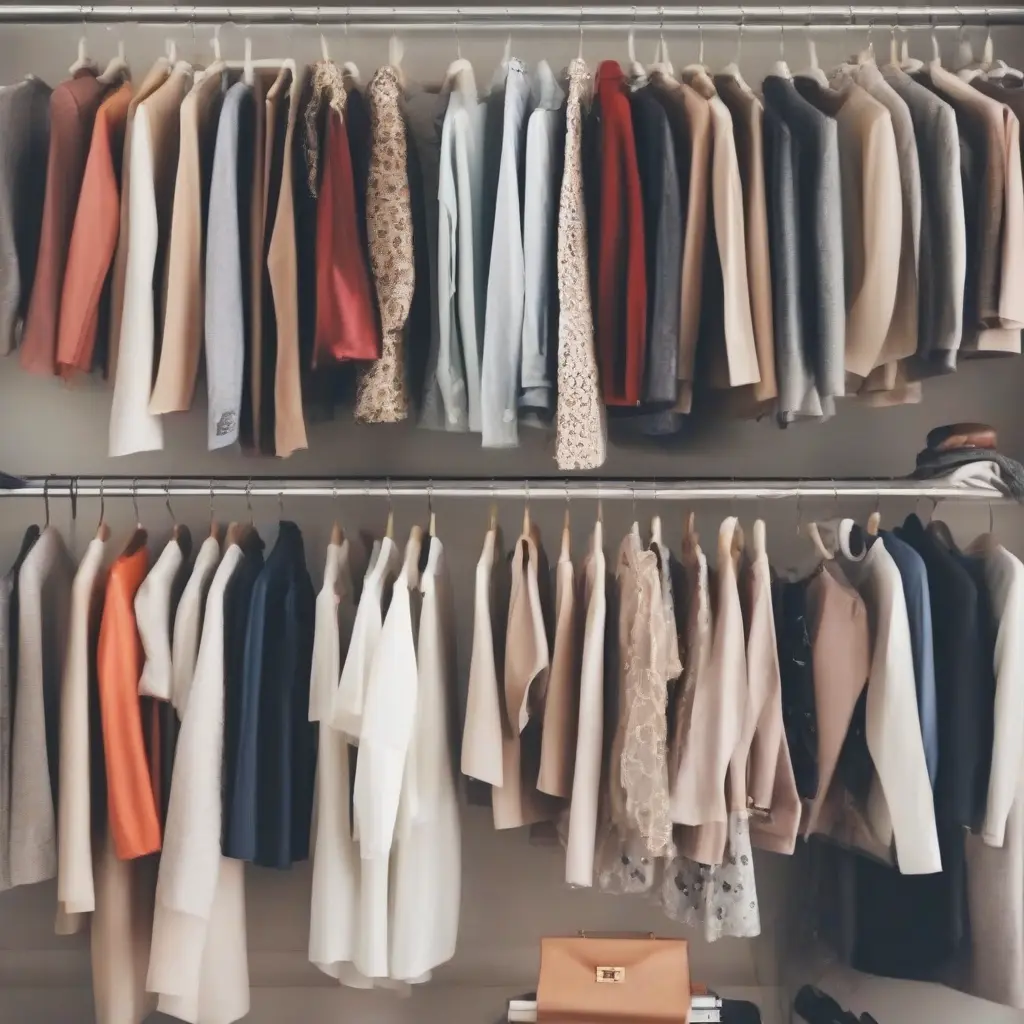

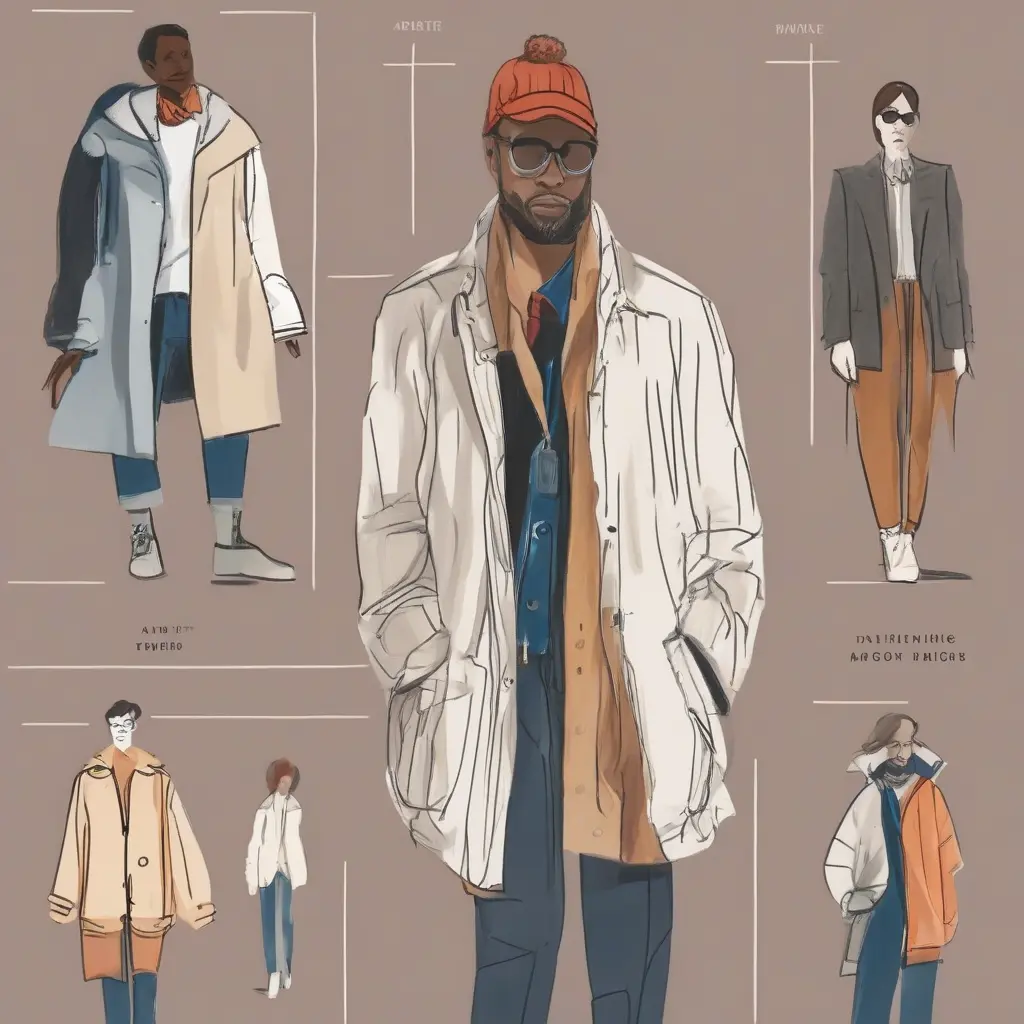
Layering is an essential skill in fashion that transcends mere practicality, allowing individuals to express their unique style while adapting to changing weather conditions. By mastering the art of layering, you can create versatile looks that are not only stylish but also functional for various environments. This guide delves into transitional fashion techniques, providing insights into how to combine colors, patterns, and textures to achieve a polished appearance. From basic layering principles to advanced styling tips, we will help you build a wardrobe that effortlessly shifts through the seasons.
Understanding the Basics of Layering
At the core of effective layering is understanding the basics, including the three primary layers: base, middle, and outer. The base layer is typically made of lightweight fabrics that provide comfort and moisture-wicking properties. The middle layer adds warmth and is usually composed of thicker materials like cotton, fleece, or wool. Finally, the outer layer protects against the elements, such as wind and rain. By selecting the right fabrics and understanding how they interact, you can create a seamless transition between different layers, enhancing both comfort and style.
Choosing the Right Fabrics
Fabric choice is crucial for effective layering. Lightweight, breathable materials such as cotton and linen are ideal for base layers, while materials like cashmere or merino wool work well for the middle layers due to their insulating properties. For outer layers, consider fabrics such as denim, leather, or weather-resistant synthetics. Understanding how different materials respond to temperature changes, moisture, and movement is essential for creating layered outfits that maintain comfort without sacrificing style.
Color Coordination Techniques
Color coordination plays a vital role in layering, influencing the overall aesthetic of an outfit. A successful layering strategy often involves a harmonious color palette, usually with a mix of neutrals and accents. Neutral shades offer versatility, allowing you to easily mix and match various pieces. To create depth, incorporate different shades of the same color or complementary colors, ensuring that your layered look remains cohesive yet visually interesting. Strategic use of color can elevate an otherwise simple outfit and add dimension to your ensemble.
Incorporating Patterns and Textures
Incorporating patterns and textures into layering can add significant visual interest and depth to your outfits. When layering, it’s essential to balance busy patterns with simpler, solid pieces to avoid overwhelming the eye. Mixing textures, such as pairing a chunky knit sweater with a sleek leather jacket, creates a dynamic look that adds intrigue. When done correctly, combining patterns, such as stripes with florals, can elevate your fashion game, showcasing your individual style while making a bold statement.
Accessorizing for Layered Looks
Accessories play a crucial role in enhancing layered outfits, serving as both functional and stylish elements. Accessories such as belts can define your waist, adding structure to an otherwise loose silhouette, while scarves and statement jewelry can inject personality into your look. Footwear choices also matter; boots can elevate a layered ensemble, particularly in colder seasons. When accessorizing, aim for pieces that complement your layers without overpowering them, achieving a look that is both polished and put-together.
Seasonal Layering Techniques
Different seasons call for varied layering strategies, influenced by temperature and style trends. For fall and winter, consider heavier fabrics and multiple layers to keep warm, including thermal tops under sweaters or wearing a turtleneck beneath a blazer. In spring and summer, opt for lighter layers that can be easily adjusted with fluctuating temperatures, such as a lightweight jacket over a sundress. Understanding seasonal needs will allow you to masterfully navigate layers, enhancing comfort while remaining stylish throughout the year.
Styling Layered Outfits for Different Occasions
Layering techniques can be adapted for various occasions, from casual outings to formal events. For a casual look, consider a basic tee paired with a denim jacket and a long cardigan, ensuring comfort while remaining stylish. For a more formal setting, layer a tailored blazer over a fitted dress, creating a sophisticated yet approachable ensemble. By recognizing the occasion and modifying your layering approach accordingly, you can present a polished image that resonates with any environment.
Common Layering Mistakes to Avoid
Identifying potential layering pitfalls can help you create more cohesive and stylish outfits. A common mistake is wearing too many bulky items, which can create an overwhelming silhouette. Additionally, failing to consider proportion can lead to unbalanced looks; for instance, pairing oversized layers with equally large pieces can swamp your frame. It’s essential to maintain a sense of proportion and balance to ensure each layer complements the others. By avoiding these common missteps, you can present well-coordinated and appealing layered styles.
The Importance of Fit in Layering
The fit of each layer is critical in achieving a harmonious layered look. Ill-fitting garments can detract from even the most thoughtfully styled outfit. Aim for a tailored fit in your base layers, as they should hug the body without restricting movement. Middle layers can be slightly looser for comfort, while outer layers should provide enough room to allow for movement without being too baggy. By prioritizing fit, you enhance the overall silhouette of your outfit, helping each layer work together seamlessly.
Conclusion
Mastering the art of layering not only enhances your wardrobe versatility but also allows for personal expression through fashion. By understanding the fundamentals of layering, selecting appropriate fabrics, coordinating colors, and avoiding common mistakes, you can create stylish, functional outfits suitable for any occasion. With these techniques at your disposal, you are equipped to confidently navigate the complexities of transitional fashion, ensuring a polished appearance regardless of the season.