
Contouring has become a crucial technique in the beauty world, allowing individuals to enhance their facial features through shading and highlighting. Whether you’re preparing for a special event, a photo shoot, or just want to refine your everyday look, mastering contouring can elevate your makeup game significantly. This guide will take you step by step through the essentials of contouring, including tools, products, techniques, and tips to help you achieve a flawless complexion. By the end, you’ll be equipped with the knowledge to contour like a pro.
Understanding the Basics of Contouring
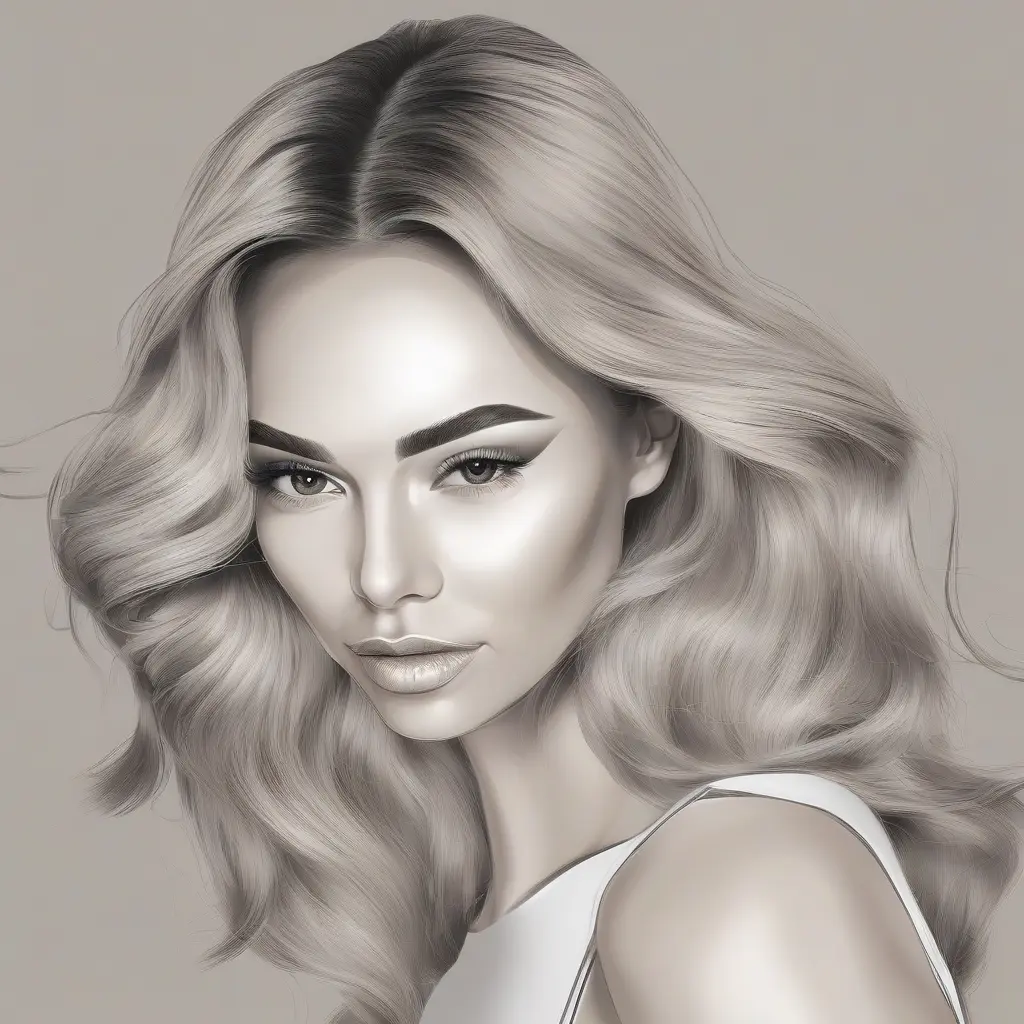
Contouring is essentially the strategic application of makeup to manipulate the shadows and highlights on your face. The primary goal is to create the illusion of depth and dimension, which can enhance your natural features. Typically, you will use a contour product, which is usually two shades darker than your skin tone, paired with a highlighter that is one to two shades lighter. Understanding the facial structure, including where your cheekbones, jawline, and nose are located, will help you determine where to apply these products for optimal effect.
Choosing the Right Contouring Products
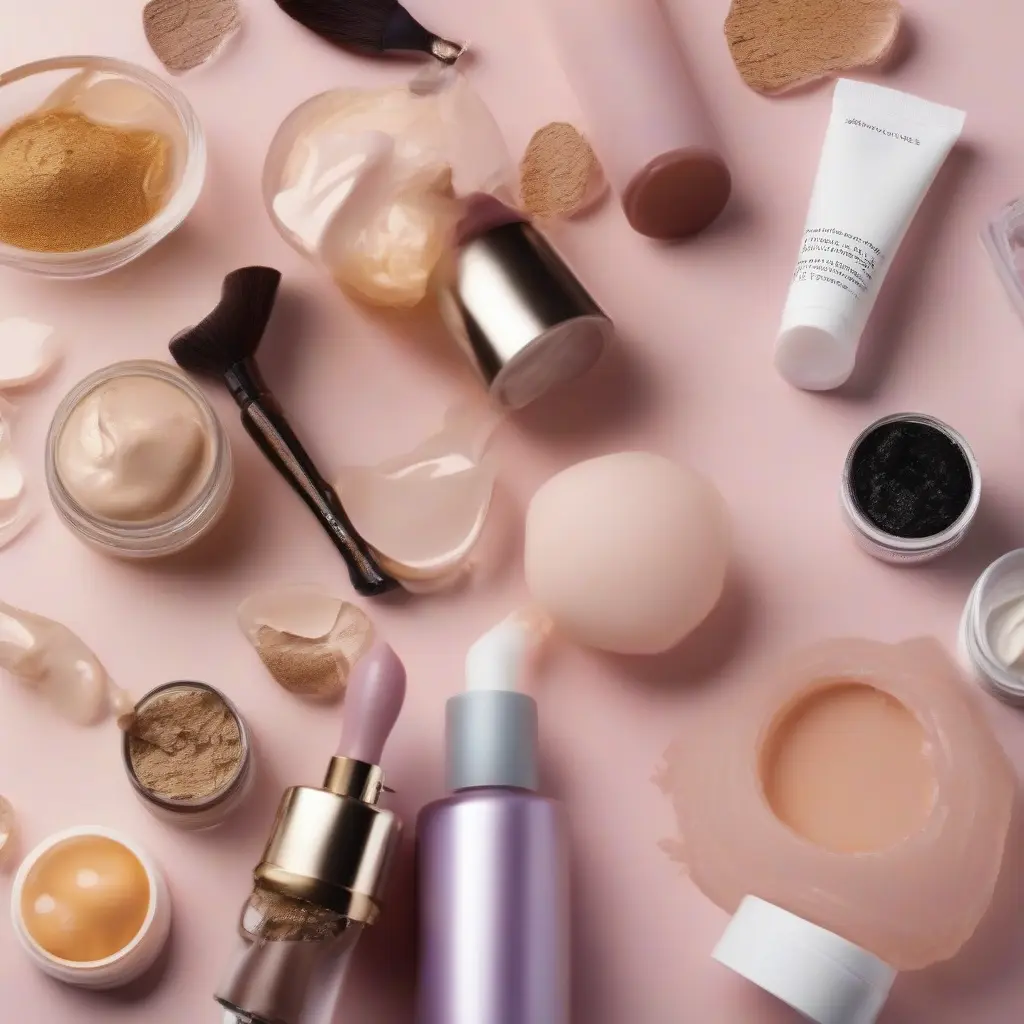
Selecting the appropriate contouring products is vital for achieving a seamless look. Contouring products come in various forms, such as creams, powders, and sticks. Creams often provide a more natural finish and are great for dry skin, while powders work well for oily skin types. Ensure you also have a highlighter that complements your contour shade. For beginners, a contour palette with a range of shades may be beneficial, as it allows for experimentation and customization to match your skin tone.
Gathering the Right Tools for Contouring
The right tools can make all the difference in your contouring application. Essential brushes include an angled brush for precision and a fluffy brush for blending. A beauty sponge can also be a great tool for applying and blending cream formulas seamlessly into the skin. Don’t forget about a fine-tipped brush for targeting smaller areas, such as the nose. Investing in quality tools will help you achieve the smooth, polished look that contouring aims for, so take your time to select wisely.
Preparing Your Face for Contouring
Preparation is key to successful contouring. Before applying any makeup, make sure your skin is clean and moisturized. Using a primer can create a smooth base, allowing your makeup to last longer and apply more evenly. It’s also important to consider the lighting in which you’ll be applying your makeup; natural light is best, as it provides a better perspective on how your contoured look will appear in various settings. With a good base, you’re ready to start contouring.
The Step-by-Step Contouring Process
To begin contouring, first, apply your foundation as usual to create an even canvas. Next, using your contour product, apply it to the areas where shadows would naturally fall: the sides of the nose, under the cheekbones, and along the jawline. Use a light hand to prevent harsh lines. Following this, blend the contour using either a brush or a sponge for smooth transitions. After blending, highlight the high points of your face—think cheekbones, brow bones, and down the center of your nose—using your highlighter to enhance those features.
Blending Techniques for a Flawless Finish
Blending is a crucial step to ensure your contouring looks effortless and natural. The key is to use a light hand and to blend upwards, especially on the cheeks. For cream products, use a damp beauty sponge to press the product into your skin, while powders can be blended using circular motions with a fluffy brush. Take your time and check your work in natural light to ensure there are no harsh lines or patches. A well-blended contour can make all the difference in achieving that professional look.
Common Contouring Mistakes to Avoid
Even experienced makeup enthusiasts can fall into common contouring pitfalls. One of the most frequent mistakes is applying too much product, leading to a stark, unnatural appearance. Another is failing to blend adequately, which can result in visible lines instead of a soft transition. Additionally, not considering your face shape can lead to misplaced contouring, failing to properly enhance your features. Take the time to learn what works for your unique face shape and practice blending to avoid these errors.
Contouring for Different Face Shapes
Understanding your face shape is essential for effective contouring. For example, individuals with a round face should focus on contouring the sides of the forehead and under the cheeks to create the illusion of length. In contrast, those with an oval face can contour the sides of the jawline to define its shape further. Each face shape has unique contouring techniques that can enhance features; researching and practicing these will significantly improve your results. Tailoring your technique can help you achieve the best aesthetic outcome.
Setting Your Contour for Longevity
After contouring and highlighting, setting your makeup is crucial for long-lasting wear. Use a translucent setting powder to lightly dust your face, focusing on areas where you applied foundation and concealer. This helps to lock in the makeup while reducing the risk of it settling into fine lines or creasing throughout the day. For those with drier skin, setting sprays can also be an effective option to enhance longevity without the matte finish. Striking the right balance can keep your look fresh and intact.
Maintaining Your Contoured Look Throughout the Day
To maintain your contoured look throughout the day, consider touch-ups as needed. Carry a small powder compact with you, as well as your lipstick or lip gloss for reapplication. Be cautious not to overdo it; light touch-ups can help refresh your makeup without becoming cakey. Additionally, stay mindful of your environment; in humid climates, you might need more frequent checks. Regularly assessing your look will ensure you stay picture-perfect until the day is done.
Conclusion
Mastering the art of contouring involves understanding techniques, using the right products, and practicing regularly to refine your skills. By learning the fundamentals and customizing your approach to suit your unique features, you can create stunning looks that enhance your natural beauty. Remember, contouring is as much about blending and technique as it is about the products you use. With patience and practice, you can transform your makeup routine and master the art of contouring effortlessly.