
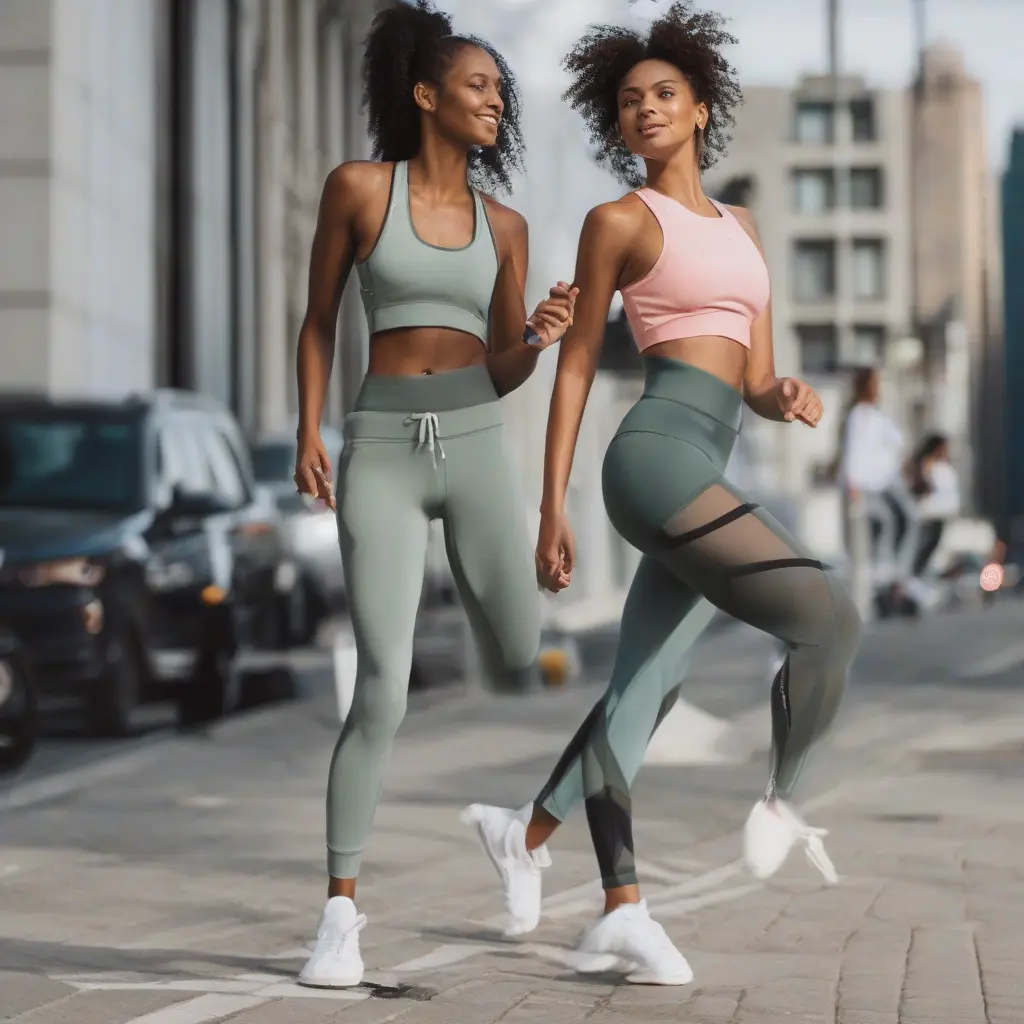
Athleisure has emerged as a significant trend in the fashion industry, characterized by the blend of athletic wear and casual clothing. Initially designed for fitness enthusiasts, it has gained popularity far beyond the gym. This evolution reflects changing lifestyles that prioritize comfort without sacrificing style. As consumers seek versatile clothing that transitions easily from workout sessions to social gatherings, athleisure stands out as a practical choice. This article will delve into the origins, cultural influences, and future of athleisure, examining how it redefines modern fashion.
Origins of Athleisure Wear
The concept of athleisure dates back to the 1970s, when fitness culture began to support active living through casual wear. Influential figures like Jane Fonda popularized colorful workout attire, making it socially acceptable to wear gym clothes outside the gym. As fitness trends continued to rise, sports brands like Nike and Adidas began to develop clothing lines that appealed to a broader audience. This laid the groundwork for athleisure’s acceptance in everyday fashion, as consumers began to seek attire that combined functionality with aesthetics.
Cultural Influences Driving Athleisure
Several cultural influences have contributed to the rise of athleisure. The shift towards health consciousness in society has led to an increase in fitness activities, prompting a demand for versatile clothing. Additionally, the influence of social media has allowed fitness influencers and celebrities to showcase athleisure styles, further normalizing its wear. Platforms like Instagram play a crucial role in marketing, enabling brands to reach broader audiences. This cultural landscape has made athleisure not just a fashion statement but a lifestyle choice that resonates with various demographics.
The Role of Technology in Athleisure Development
Technological advancements have significantly impacted the design and functionality of athleisure. Innovations in fabric technology have led to the development of materials that wick moisture, provide stretch, and enhance breathability. These enhancements allow for greater comfort and performance, whether users are engaged in physical activities or casual outings. Furthermore, brands are increasingly investing in research and development to create sustainable options, aligning with the growing consumer preference for environmentally friendly products. This combination of technology and style positions athleisure as both functional and fashionable.
Popular Athleisure Brands
Numerous brands have established themselves as leaders in the athleisure market, each contributing unique styles and innovations. Lululemon, known for its high-quality yoga apparel, blends fashion with functionality, gaining a formidable following. Similarly, Athleta and Alo Yoga have carved niches with their commitment to both performance and style. On the other hand, mainstream brands like Adidas and Nike have seamlessly integrated athleisure into their collections, appealing to a wider audience. The growing competition ensures that consumers have a plethora of choices, encouraging variety in styles and price points.
Athleisure in Everyday Life
Athleisure has become a staple in everyday wardrobes, driven by changing lifestyle preferences that value comfort and functionality. People now favor outfits that easily transition from work to social settings, making athleisure a practical choice. The adaptability of these clothing pieces allows for layering and mixing with traditional fashion elements, resulting in diverse looks suitable for various occasions. This blurring of lines between casual and formal wear reflects a broader movement towards embedding comfort in fashion without compromising style.
The Future of Athleisure
Looking ahead, the athleisure trend is expected to continue its ascent as lifestyle choices evolve further. With an increasing focus on health and wellness, consumers may prioritize attire that seamlessly accommodates their busy routines. Sustainable practices are anticipated to become more prevalent, with brands seeking eco-friendly materials and production methods to meet consumer demand for responsible fashion. Furthermore, as more people adopt remote work arrangements, the need for versatile clothing that balances comfort and aesthetics will likely increase, solidifying athleisure’s place in the future of fashion.
Conclusion
The evolution of athleisure reflects broader societal changes where comfort, style, and functionality are increasingly valued. As the lines between casual and formal attire continue to blur, athleisure stands out as a prominent trend that resonates with modern consumers. With ongoing innovations and cultural influences shaping its trajectory, athleisure is not just a fleeting fashion statement, but a lasting symbol of how contemporary lifestyles embrace versatility and comfort in everyday wear.