

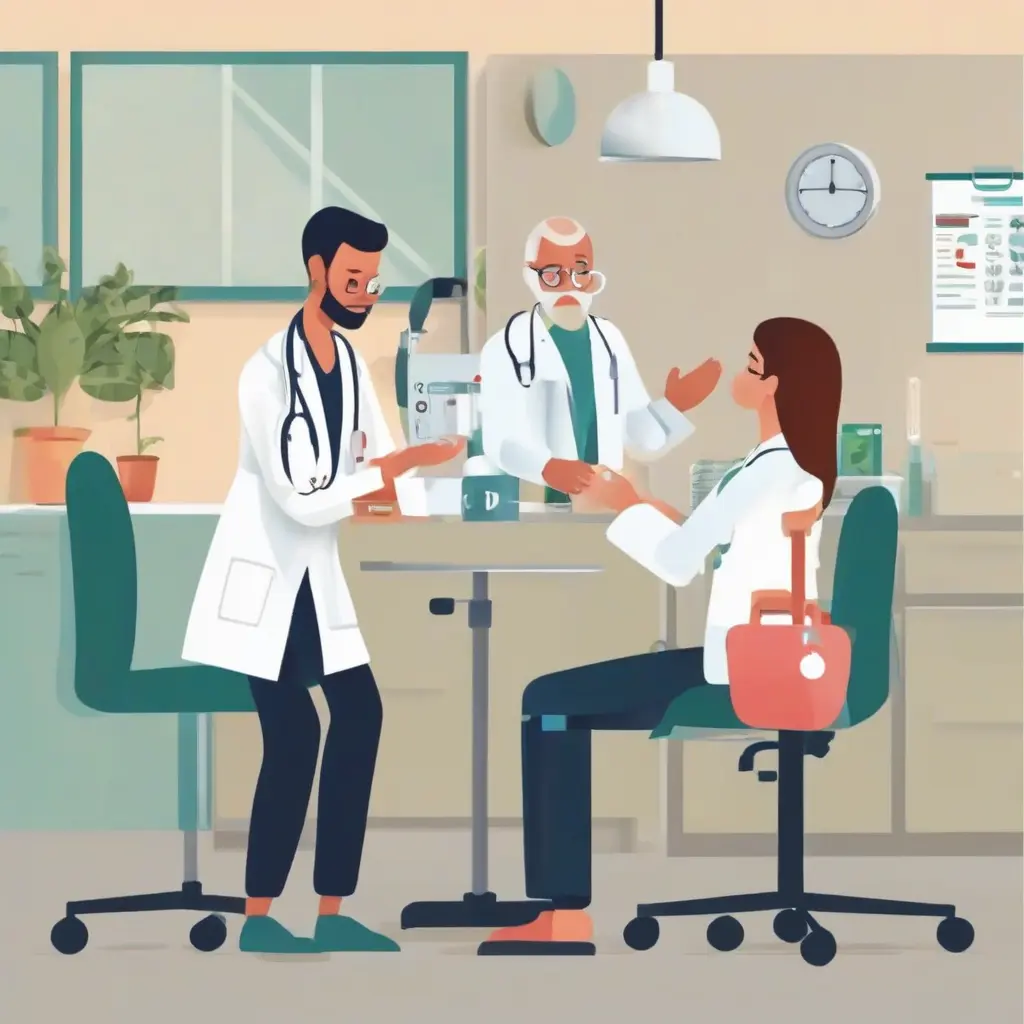
Regular health checkups play a crucial role in maintaining overall wellness and preventing serious health issues. They serve as an opportunity for early detection of medical conditions, which can lead to more effective and less invasive treatment options. Furthermore, establishing a consistent relationship with healthcare providers fosters trust and encourages open communication. This article will delve into the importance of regular checkups, detail what to expect during these visits, and outline how they can significantly impact your long-term health.
Why Regular Health Checkups Are Essential
Regular health checkups are vital for detecting potential health problems before they escalate. Many chronic diseases, such as hypertension and diabetes, can develop silently without noticeable symptoms. Routine visits allow healthcare professionals to monitor vital signs, conduct necessary screenings, and provide patients with valuable guidance on lifestyle modifications. By prioritizing these appointments, individuals can adopt a proactive approach to their health, ultimately leading to an enhanced quality of life.
Types of Health Checkups
Health checkups can vary widely based on age, gender, and personal health history. Annual physical exams, blood tests, and screenings for cancer or specific conditions are common types. For adults, preventive services like cholesterol tests, diabetes screenings, and immunizations are often included in checkups. Additionally, pediatric checkups focus on growth and developmental milestones, ensuring children are on track. Understanding these variations helps individuals prepare for their visits and discuss relevant concerns with their healthcare providers.
What to Expect During a Checkup
During a health checkup, individuals can expect a thorough assessment of their medical history and current health status. Healthcare providers will often ask detailed questions about lifestyle factors such as diet, exercise, and stress levels. Physical examinations may include checking vital signs, listening to heart and lung sounds, and conducting specific tests based on age and medical background. This comprehensive approach enables providers to create a customized health plan tailored to each patient’s unique needs.
Common Tests and Screenings
Health checkups typically include various tests and screenings to evaluate overall health. Blood tests can provide crucial insights into cholesterol levels, glucose levels, and kidney function. Women may undergo breast exams and Pap smears, while men may receive prostate checks. Screenings for high blood pressure and diabetes are standard as well. Understanding the purpose of these tests can help patients stay informed and actively engaged in their health management.
The Impact of Early Detection
Early detection of health issues has a profound impact on treatment success rates. Conditions like cancer and cardiovascular disease are often more treatable when identified in their initial stages. Regular checkups enable healthcare providers to spot anomalies and recommend appropriate interventions quickly. This proactive approach can significantly reduce healthcare costs, minimize complications, and improve patient outcomes, making it a fundamental aspect of healthcare.
Maintaining a Healthcare Relationship
Building and maintaining a relationship with a healthcare provider can enhance the effectiveness of health checkups. A consistent provider is more likely to understand an individual’s medical history and personal health goals over time. This understanding fosters trust, allowing patients to communicate openly about any concerns or symptoms. Moreover, regular visits create a safe space for tackling sensitive topics related to mental and physical health, leading to more comprehensive care.
Preparing for Your Checkup
Preparation for a health checkup can maximize the effectiveness of the visit. Patients should compile a list of current medications, supplements, and any recent changes in health status. It is equally beneficial to write down questions or concerns to ensure they are addressed during the consultation. Keeping a record of family medical history can also aid healthcare providers in identifying potential inherited conditions. This preparation enhances communication and time management during the appointment.
Addressing Patient Concerns
Many individuals harbor apprehensions about visiting healthcare providers, often due to fear of what might be discovered. It is vital to discuss these concerns openly during checkups. Most healthcare professionals are trained to address anxieties and can provide reassurance. Understanding that checkups are preventive rather than punitive can shift perceptions, allowing patients to view these visits as a crucial partner in health rather than a source of worry.
When to Schedule Your Checkups
The frequency of health checkups can vary based on age, sex, and health status. Generally, adults should aim for annual visits, while children require regular checkups more often in their early years. Older adults or individuals with chronic conditions may need more frequent assessments. Staying informed about personal health needs and discussing them with a healthcare provider can guide the right schedule for checkups to ensure optimal health management.
Implementing Healthy Lifestyle Changes
Post-checkup, patients often receive recommendations for lifestyle changes that can improve health. This might include dietary adjustments, exercise programs, or mental health strategies. Implementing these recommendations can significantly enhance overall wellness and reduce the risk of chronic conditions. Staying committed to these changes not only benefits physical health but also mental and emotional well-being, creating a holistic approach to personal health.
The Role of Technology in Health Checkups
Technological advancements have transformed the landscape of health checkups through telemedicine and digital health records. Virtual consultations provide greater access to healthcare, allowing patients to connect with providers from the comfort of their homes. Additionally, wearable fitness trackers help individuals monitor vital signs and health metrics in real time. These technologies facilitate proactive health management, ensuring patients remain engaged with their health outside of traditional office visits.
Conclusion
In summary, regular health checkups are essential for maintaining health and preventing chronic diseases. They enable early detection and foster a lasting relationship between patients and healthcare providers. By understanding what to expect and actively engaging in health management, individuals can take significant steps toward a healthier future. Prioritizing these visits is not merely advisable but necessary for holistic health maintenance.