

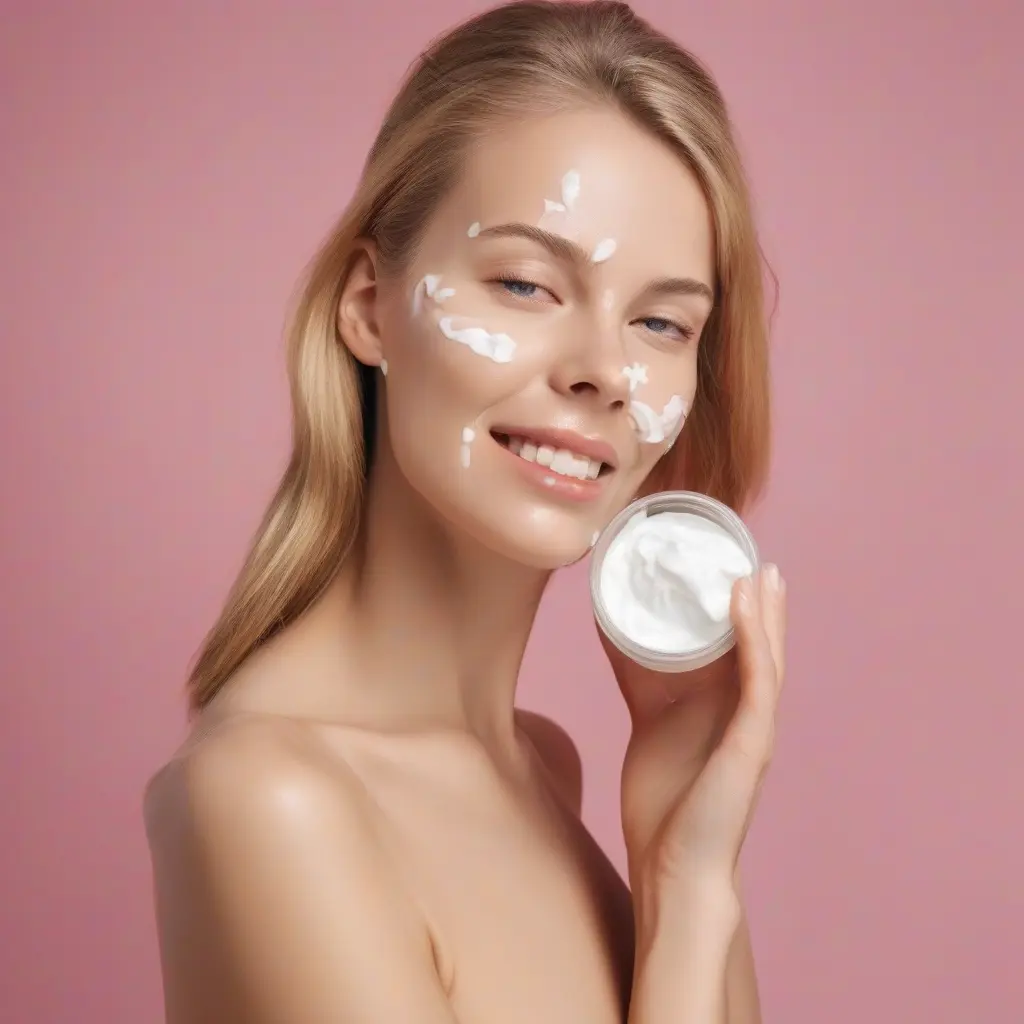
In recent years, probiotics have garnered significant attention for their benefits beyond gut health, especially in the realm of skincare. These beneficial bacteria not only support digestive wellness but also contribute to clearer, more radiant skin. By incorporating probiotics into your skincare regimen, you can enhance hydration, balance your skin’s microbiome, and combat various skin issues like acne and eczema. This article delves into the multifaceted advantages of probiotics in skincare, helping you understand why they are a worthy addition to your beauty routine.
Understanding Probiotics and Their Role in Skincare
Probiotics are live microorganisms that provide health benefits when consumed in adequate amounts, primarily found in fermented foods and supplements. In skincare, they function to support the skin’s natural barrier and microbiome. The skin microbiome consists of diverse bacteria that play a pivotal role in skin health, influencing conditions such as acne, rosacea, and sensitivity. Probiotics can help rebalance this ecosystem, promoting harmony and reducing the likelihood of skin issues by competing with harmful bacteria for space and resources.
Hydration Boost from Probiotics
One of the most notable benefits of incorporating probiotics into your skincare routine is improved hydration. Probiotics help enhance the skin’s moisture levels by increasing the production of natural moisturizing factors, which bind water to the skin. This is particularly beneficial for individuals with dry or sensitive skin, as hydrated skin appears plumper and more youthful. Additionally, by fostering a healthy skin barrier, probiotics can minimize moisture loss and improve overall skin texture, contributing to a radiant appearance.
Reducing Inflammation with Probiotics
Inflammation is a common culprit in various skin conditions, including acne and rosacea. Probiotics have shown promising effects in reducing inflammation and calming irritated skin. They achieve this by modulating the immune response and enhancing the skin barrier function, which can help minimize redness and swelling. By incorporating probiotic-rich products, users may experience less discomfort from skin irritations and a more balanced complexion, making probiotics a practical choice for sensitive skin types.
Combatting Acne with Probiotic Skincare
Acne is often exacerbated by an imbalance in the skin microbiome, leading to the overgrowth of acne-causing bacteria. Probiotics can help restore this balance, inhibiting the proliferation of harmful microbes and promoting the growth of beneficial ones. Various studies have shown that probiotic-infused skincare products can reduce the frequency and severity of breakouts. By targeting the root cause of acne, probiotics offer a holistic approach to achieving clearer skin without the harsh side effects associated with typical acne treatments.
Strengthening the Skin Barrier
A robust skin barrier is essential for overall skin health, protecting against environmental stressors and preventing moisture loss. Probiotics aid in fortifying this barrier, enhancing its ability to defend against pollutants, allergens, and toxins. By helping to maintain a balanced pH level and supporting the production of ceramides, probiotics contribute to a healthier, more resilient skin barrier. This protection not only keeps skin looking vibrant but also reduces the risk of developing chronic skin conditions, granting users more resilient and supple skin.
Probiotics in Anti-Aging Skincare
The signs of aging, such as fine lines and wrinkles, can be mitigated through the use of probiotics in skincare. By boosting the skin’s hydration and encouraging cellular turnover, probiotics can lead to a more youthful complexion. Additionally, their anti-inflammatory properties help reduce the appearance of redness and irritation, often associated with aging skin. The overall enhancement of skin texture and tone achieved through probiotics can give the appearance of a more vibrant, youthful look without invasive procedures.
Choosing the Right Probiotic Skincare Products
When selecting probiotic skincare products, it’s crucial to consider formulations that contain effective strains of probiotics and prebiotics to nourish them. Look for products labeled with specific probiotic strains, such as Lactobacillus or Bifidobacterium, which have been clinically shown to benefit skin health. Additionally, ensure that these products are free from harsh chemicals that could counteract the desirable effects of the probiotics. Reading reviews and checking ingredient lists can help you make informed decisions for your skincare regimen.
Incorporating Probiotics into Your Daily Routine
To effectively incorporate probiotics into your skincare routine, begin by introducing one product at a time to monitor how your skin reacts. Start with a cleanser or moisturizer that contains probiotics, gradually adding serums or masks as needed. It’s beneficial to use these products consistently for a few weeks to see tangible results. Additionally, complement topical probiotic use with dietary sources to enhance overall skin health, as gut health plays an integral role in skin clarity and vitality.
Potential Side Effects of Probiotic Skincare
While generally safe for most individuals, some may experience mild irritation or breakouts when first using probiotic skincare products. This is often due to the skin adjusting to a new formulation. To reduce potential side effects, perform a patch test prior to full application. If irritation persists, consult a dermatologist for personalized advice. Understanding your skin type and sensitivities can also help in selecting products that will complement rather than disrupt your skin’s natural balance.
Expert Recommendations on Probiotic Skincare
Many dermatologists advocate for the use of probiotics in skincare, noting their potential to harmonize and improve skin quality. Recommendations often include looking for clinical studies backing the efficacy of specific products. Experts suggest using probiotic products particularly for individuals dealing with sensitivities or chronic skin conditions. Furthermore, the incorporation of probiotics alongside a consistent skincare routine—such as regular exfoliation and sun protection—can amplify the benefits, leading to optimal skin health.
Conclusion
Incorporating probiotics into your skincare regimen holds various benefits, from enhancing hydration to combating acne and reducing inflammation. As skincare continues to evolve, understanding how these beneficial bacteria can support your skin health offers exciting new possibilities for achieving and maintaining glowing, healthy skin. Whether you’re looking to tackle specific skin issues or simply enhance your overall complexion, probiotics present a worthy option to explore in your daily beauty routine.