
In recent years, the fashion industry has increasingly embraced the concept of gender fluidity, challenging age-old norms and expectations. Gender fluidity allows individuals to express their identity beyond traditional male and female binaries, resulting in a more inclusive approach to fashion. As societal norms evolve, designers and brands are rethinking their approaches, leading to innovative collections that cater to diverse expressions of gender. This shift not only reflects changing attitudes but also resonates with consumers who seek authenticity in their wardrobe choices. In this article, we will explore how gender fluidity is influencing modern fashion and breaking down barriers within the industry.
Understanding Gender Fluidity
Gender fluidity refers to a dynamic and flexible approach to gender identity that transcends the conventional male and female classifications. Individuals who identify as gender fluid may express themselves in varying ways, adapting their appearance and styles according to how they feel at different times. This concept highlights the importance of recognizing the spectrum of gender identities that exist beyond traditional norms. As awareness of gender diversity grows, many individuals are encouraged to embrace their true selves, culminating in a fashion landscape that celebrates individuality and breaks free from restrictive norms.
Impact on Fashion Design
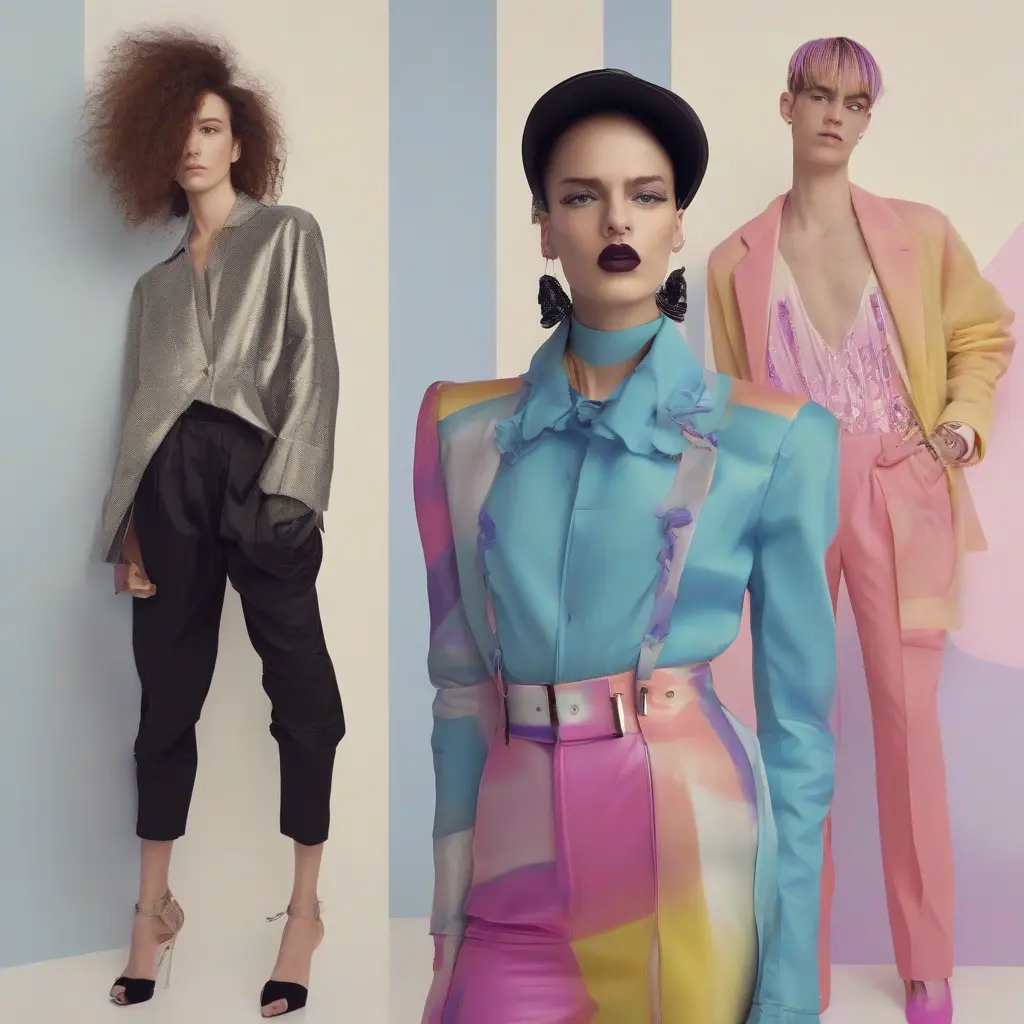
The rise of gender fluidity in fashion design reflects a growing desire for inclusivity and self-expression. Designers are increasingly creating collections that accommodate a range of gender identities, often employing unisex patterns and silhouettes. This shift allows for a broader audience, as consumers can choose styles that resonate with their personal identities rather than being confined to gender-specific clothing. By challenging the traditional binary approach, fashion design is evolving into a more creative and diverse environment, where personal expression and style take precedence over conventional standards.
Major Brands Leading the Change
Several high-profile brands are taking bold steps to embrace gender fluidity within their collections. For example, labels like Gucci and Balenciaga have introduced androgynous designs that cater to a broader spectrum of gender expression. These brands not only set fashion trends but also send a powerful message about acceptance and inclusivity. By showcasing gender-neutral collections on runways and in marketing campaigns, they challenge outdated perceptions and inspire other brands to follow suit. Such initiatives help foster a culture of acceptance, encouraging consumers to embrace their unique styles without fear of judgment.
Consumer Response and Market Trends
The consumer response to gender fluidity in fashion has been overwhelmingly positive, fueling market trends that prioritize inclusivity. Many shoppers are actively seeking brands that align with their values, particularly those embracing diversity and self-expression. This demand has prompted a shift in retail strategies, leading to more unisex collections and marketing campaigns focusing on variety and versatility. As consumers increasingly advocate for authenticity, brands are recognizing that catering to a diverse clientele is not just ethical but also economically beneficial, driving sales and brand loyalty.
The Role of Social Media
Social media plays a significant role in amplifying conversations about gender fluidity and its impact on fashion. Platforms like Instagram and TikTok provide spaces for individuals to showcase their unique styles and share personal narratives related to gender identity. This democratization of fashion allows consumers to influence trends and create communities that celebrate diversity. The visibility of gender-fluid influencers encourages brands to rethink their approaches, fostering a culture where every identity is recognized and valued. Additionally, social media serves as a platform for discussions around representation, further driving the demand for inclusive fashion.
Challenges in the Industry
Despite the positive strides towards gender fluidity in fashion, several challenges remain. Resistance from traditionalists within the industry can hinder progress, as there are still many who cling to conventional gender norms. Additionally, the commercial viability of gender-fluid collections is often questioned, as brands may fear alienating specific consumer bases. Overcoming these barriers requires a concerted effort from all stakeholders in the fashion world, including designers, retailers, and consumers. By advocating for inclusivity and addressing potential biases, the industry can continue to move forward.
Cultural Representation
Cultural representation in fashion is a critical aspect of the gender fluidity conversation. Many cultures possess rich histories of non-binary identities and gender fluidity; therefore, incorporating these narratives within fashion is essential. Designers and brands that draw inspiration from diverse cultural backgrounds can create more authentic representations and celebrate the fluidity present in various societies. This not only enriches the fashion landscape but also educates consumers about the global spectrum of gender identities, fostering appreciation and respect for cultural diversity.
Future of Gender Fluidity in Fashion
The future of gender fluidity in fashion looks promising as the movement continues to gain momentum. With the increasing demand for inclusivity, brands are likely to expand their offerings to cater to a wider array of identities. Innovations in textile technology may also contribute to more versatile designs, allowing for styles that adapt seamlessly to individual preferences. As societal attitudes shift, we can expect more open dialogues surrounding gender identity, empowering individuals to explore and express their unique styles without constraint. The evolution of gender fluidity in fashion stands to revolutionize the industry.
Conclusion
Gender fluidity is more than a trend; it represents a profound societal shift towards acceptance and self-identity within the fashion industry. As more brands recognize the importance of inclusivity, the landscape of fashion evolves, promoting a culture that embraces diversity and personal expression. This shift not only challenges traditional norms but also paves the way for a future where all identities are celebrated in fashion. Moving forward, fostering this inclusive environment will be crucial for both consumers and creators in the ever-evolving fashion world.