
Layering clothing is an essential skill for adapting to changing seasons and varying temperatures throughout the year. By mastering the art of layering, you can create versatile outfits that provide both comfort and style. This article delves into expert techniques for layering clothing, focusing on fabric choices, silhouette balancing, and accessorizing effectively. With the right approach, you can not only enhance your aesthetic but also improve the practicality of your wardrobe, making it suitable for year-round wear. Whether you’re dressing for winter chills or summer breezes, layering can transform your look.
Understanding the Basics of Layering
Before diving into specific techniques, it’s essential to understand the fundamentals of layering clothing. Layering involves combining multiple clothing items to create an outfit that offers both warmth and style. The basic layers typically include a base layer, a middle layer, and an outer layer. Each serves a specific purpose: the base layer wicks moisture away from the skin, the middle layer provides insulation, and the outer layer protects against wind and rain. Grasping these concepts allows you to build outfits that function well in various weather conditions.
Choosing the Right Base Layer
The base layer is crucial as it lays the groundwork for your outfit. This layer should be breathable and moisture-wicking to keep you comfortable. Many opt for materials like merino wool or technical fabrics designed for performance. Cotton is often too heavy and can lead to dampness. When selecting a base layer, consider the season; lightweight options work well in summer, while heavier thermal varieties are better suited for winter. Choosing the right base layer allows for optimal comfort throughout the day, making it a fundamental step in the layering process.
Integrating Middle Layers for Insulation
The middle layer is designed to provide insulation and retain body heat. Fabrics like fleece, down, or wool are popular choices because they trap air and provide warmth without adding excessive bulk. When integrating a middle layer, it is important to consider the fit; a snug fit enhances efficiency while maintaining ease of movement. Additionally, colors and patterns can be mixed and matched here to create visually appealing combinations. For transitional seasons, a light sweater or long-sleeved shirt suffices, while colder months require thicker or layered items for optimal warmth.
Selecting the Best Outer Layer
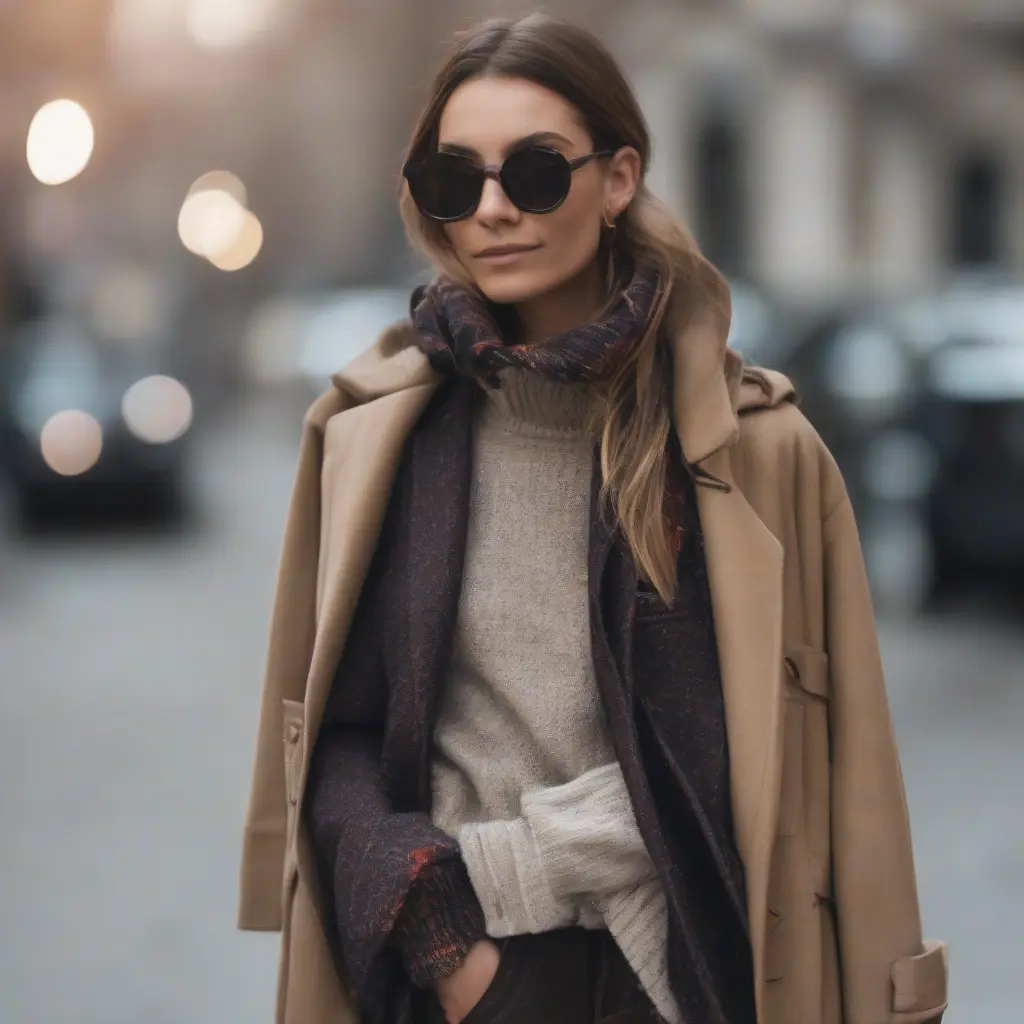
The outer layer serves as your shield against the elements, so choosing the right one is critical. Look for waterproof or windproof materials to provide protection from rain and wind. Trench coats, parkas, and breathable shell jackets are excellent choices depending on the climate. It’s important to ensure that your outer layer is compatible with the layers underneath; it shouldn’t restrict your movement or trap heat excessively. A good outer layer should be versatile enough to complement various outfits while staying functional for inclement weather.
Balancing Silhouettes for Layered Outfits
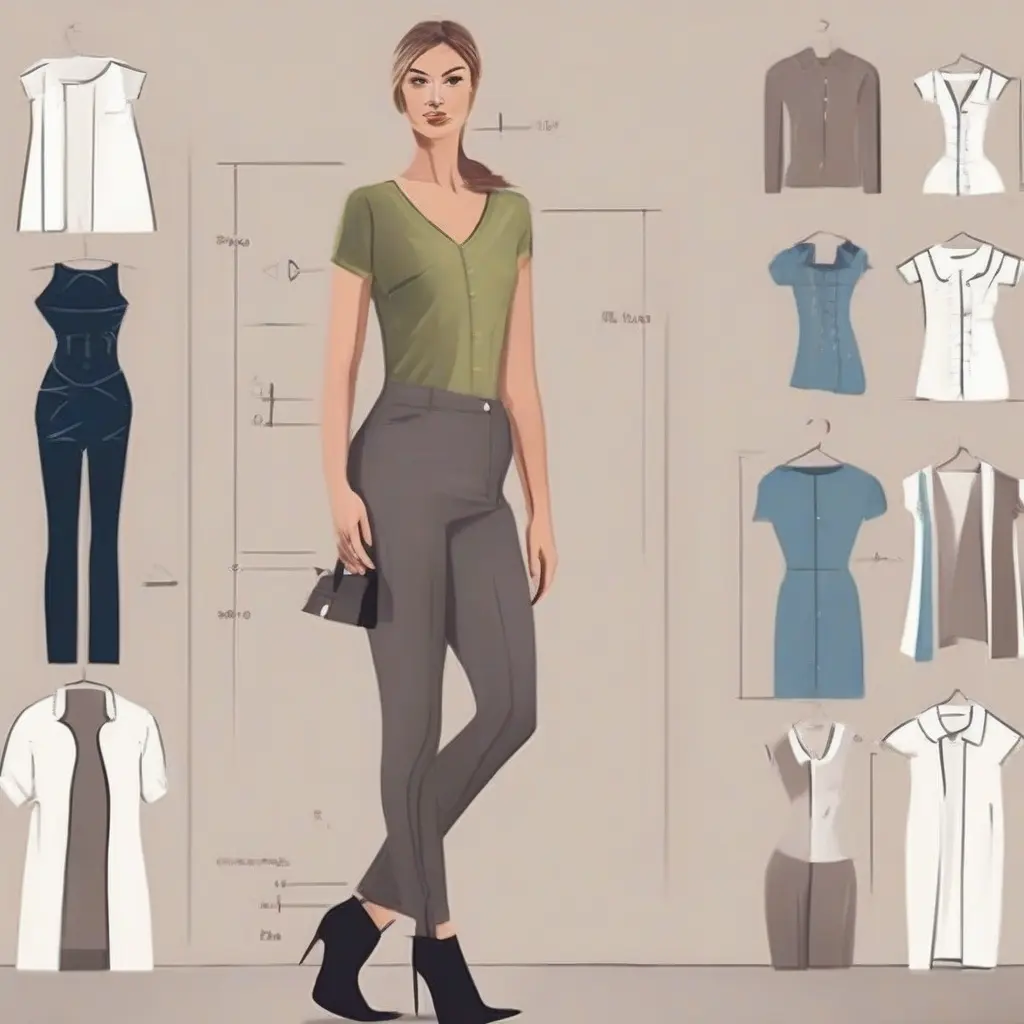
Achieving a balanced silhouette is key to looking polished when layering. Consider the lengths and shapes of each layer you wear; pairing a long top with shorter bottoms can create visual interest. Experimenting with different lengths, such as a cropped jacket over a long tunic, can bring dynamism to your outfit. It’s also essential to pay attention to volume; if one piece is bulky, balance it with more fitted items in other layers. Striking the right balance allows for a harmonious look that flatters your body type.
Color Coordination in Layering
Color coordination is vital for a cohesive layered look. Stick to a color palette that combines complementary or analogous colors for a seamless approach. Neutrals can work as a foundation in your outfit, allowing you to add bolder hues in your layers if desired. Patterns can be introduced, but it’s best to keep them minimal to avoid overwhelming the ensemble. Ensuring that the colors of your layers work well together not only enhances the aesthetics of your outfit but allows you to express your personal style effortlessly.
Accessorizing Your Layered Look
Accessories can elevate your layered outfit and provide additional comfort or functionality. Scarves, hats, and belts can not only add style but also enhance warmth in colder months. For example, a chunky knit scarf can provide extra insulation while also acting as a statement piece. Jewelry can further personalize the outfit, but it’s recommended to keep it simple to maintain focus on the layers. By choosing the right accessories, you can create a more finished and sophisticated look, making your layered outfits stand out.
Adapting Layers for Changing Weather
Weather can be unpredictable, and adapting your layers accordingly is crucial. For instance, during fall, you can start with a light base and add layers that can be easily removed as temperatures fluctuate. In winter, focus on thicker materials and ensure the outer layer is equipped to handle heavier conditions. Pay attention to seasonal shifts and regularly reassess your clothing options to stay comfortable. Adapting layers helps in remaining versatile, ensuring you are prepared for whatever the day brings.
Year-Round Layering Tips
Layering can be effective throughout the year with a few key strategies. In spring and autumn, opt for breathable fabrics that allow for temperature regulation while avoiding bulk. In summer, light layers like linen shirts or cardigans can provide relief against the sun without overheating. Maintenance is also crucial; regularly check the condition of your layers to ensure they remain functional and stylish. Developing a year-round layering strategy allows you to maximize your wardrobe, ensuring you always have suitable options no matter the climate.
Conclusion
Mastering the art of layering clothing is essential for achieving comfort and style throughout the year. By selecting the right materials for each layer, balancing silhouettes, and coordinating colors, you can create versatile outfits suitable for any season. Additionally, adapting your layers for changing weather conditions and accessorizing effectively can elevate your overall look. With these expert techniques at your disposal, you can confidently thrive in any climate while expressing your personal style.