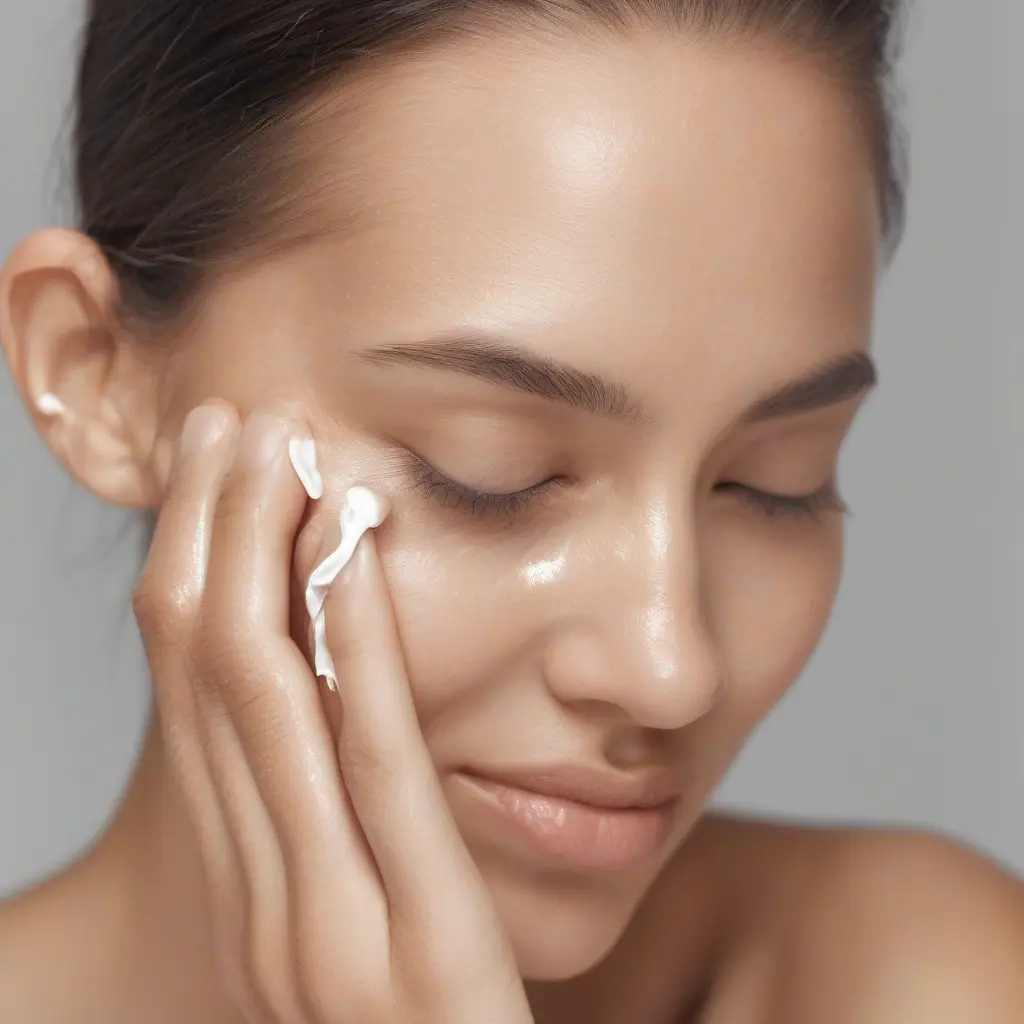


Achieving clear skin can be a challenge, especially for those prone to breakouts. One effective strategy is choosing non-comedogenic products, which are specifically designed not to clog pores. By understanding what non-comedogenic means and identifying suitable ingredients, individuals can maintain their skin health and reduce the likelihood of acne. This guide will provide valuable insights into selecting the right non-comedogenic products, understanding harmful ingredients, and adopting a skincare routine that promotes clarity and brightness.
What Does Non-Comedogenic Mean?
Non-comedogenic refers to products formulated not to block pores, which can help prevent acne and other skin issues. The term is particularly important for those with oily or acne-prone skin. While every individual’s skin type reacts differently, non-comedogenic products generally contain ingredients that are less likely to cause breakouts. Understanding this concept can empower consumers to make informed choices when selecting skincare and cosmetic products, thus contributing to healthier and clearer skin.
Importance of Ingredients
When choosing non-comedogenic products, paying attention to the ingredient list is crucial. Some ingredients, such as certain oils and heavy waxes, can clog pores. Instead, look for lighter oils like jojoba or argan oil, as these are less likely to block pores. Additionally, ingredients like salicylic acid and benzoyl peroxide can help combat acne, making them ideal choices for those with problem skin. A careful understanding of ingredients can significantly enhance the effectiveness of your skincare routine.
Identifying Non-Comedogenic Labels
Many skincare and makeup brands now label their products as non-comedogenic, making it easier for consumers to identify suitable options. However, labels can sometimes be misleading, as products may still contain comedogenic ingredients in low concentrations. Therefore, it is essential to research products and read reviews from others who have similar skin types. Relying on reputable brands known for their commitment to creating non-comedogenic products can help eliminate the guesswork involved in making the right choices.
Recognizing Comedogenic Ingredients
To make more informed choices, it’s beneficial to recognize common comedogenic ingredients. Ingredients such as lanolin, coconut oil, and certain silicones can clog pores for many individuals. Understanding which ingredients to avoid can significantly prevent breakouts. By familiarizing yourself with these components, you can become adept at quickly assessing whether a product aligns with your skincare needs, keeping your skin clear and healthy.
Understanding Your Skin Type
Each person’s skin type is unique, and understanding yours is critical for choosing non-comedogenic products effectively. Oily, dry, combination, and sensitive skin types all have distinct needs. For instance, oily skin may benefit from gel-based products that provide hydration without heaviness, while dry skin might require richer creams. Tailoring your product selections based on your skin type ensures that you use products that will not only be non-comedogenic but also effective for your specific needs.
Patch Testing New Products
Before fully incorporating a new non-comedogenic product into your routine, conducting a patch test can help prevent adverse reactions. Apply a small amount of the product on a discreet area of your skin and wait 24 hours to observe any negative effects. This precaution allows individuals to gauge the compatibility of the new product with their skin before committing to widespread use, minimizing risks and ensuring a clearer complexion.
Maintaining a Consistent Skincare Routine
A consistent skincare routine is essential for achieving and maintaining clear skin. Using non-comedogenic products regularly helps to establish a balanced regimen that keeps pores clear and reduces breakouts. Include gentle cleansers, hydrating moisturizers, and sun protection in your daily routine. Adhering to a routine while periodically reassessing your product choices ensures long-term skin health and enhances the benefits of non-comedogenic formulations.
Consulting a Dermatologist
If you’re struggling with persistent skin issues even while using non-comedogenic products, it may be time to consult a dermatologist. Dermatologists can offer personalized recommendations for products suited to your skin type, as well as treatments for underlying conditions that may not be addressed by skincare alone. Their expertise can guide you toward an effective regimen tailored specifically for your needs, enhancing your journey to clearer skin.
Adjusting Products with Seasonal Changes
As seasons change, so do your skin’s needs, requiring adjustments to your skincare products. For example, winter might necessitate richer moisturizers to combat dryness, while summer may call for lighter formulations to avoid an oily appearance. By being attentive to these changes and selecting non-comedogenic options that match your skin’s needs, you can sustain clear skin throughout the year, adapting your routine to provide the optimal care regardless of external conditions.
Conclusion
Choosing non-comedogenic products for clear skin involves understanding labels, recognizing harmful ingredients, and tailoring your skincare routine to your unique needs. By remaining vigilant about your product selections and maintaining a consistent routine, you can effectively manage your skin’s health and appearance. Empower yourself with the knowledge of non-comedogenic formulations to achieve and sustain the clear complexion you desire.