

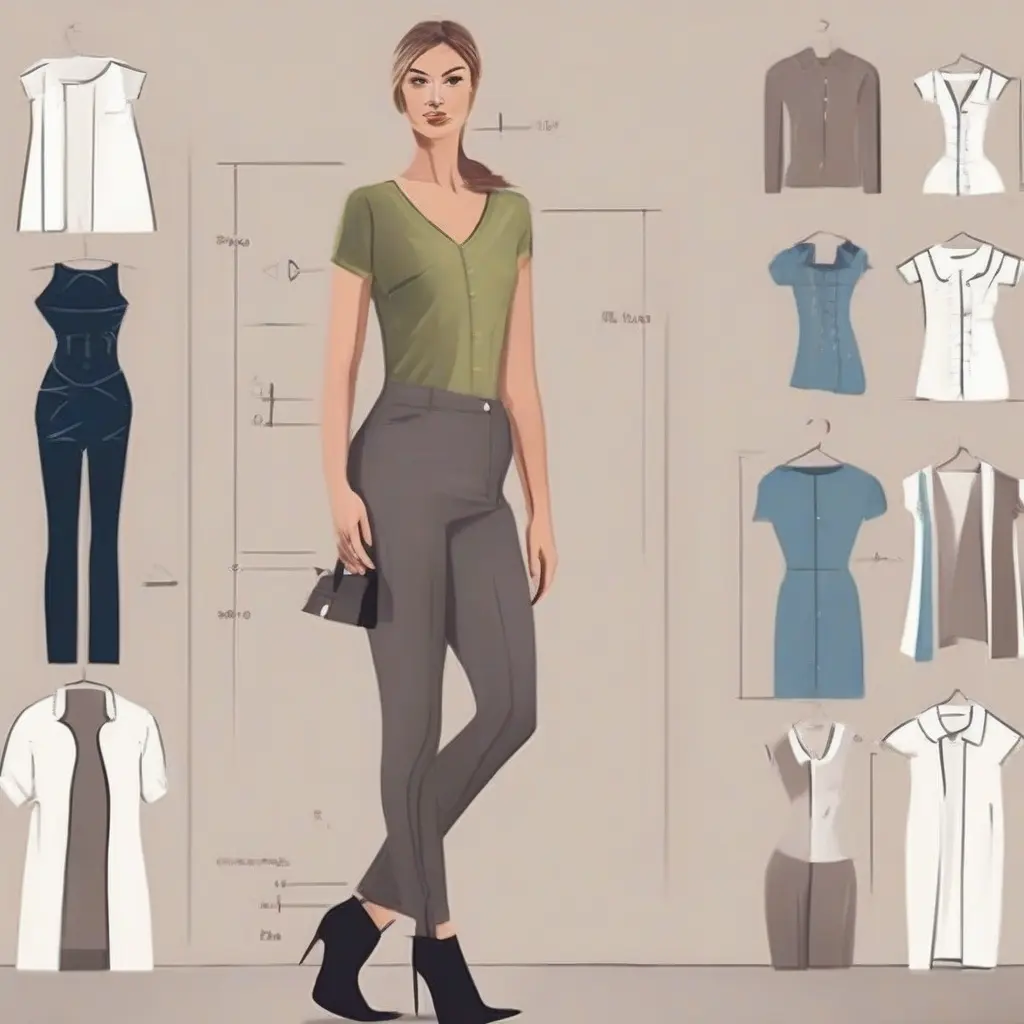
Navigating the world of fashion sizing can be overwhelming, especially with the significant variations across different brands and styles. Understanding sizing through accurate measurements can help individuals find the perfect fit, enhancing comfort and style. This guide will provide insights into various sizing systems, the importance of taking accurate measurements, how to interpret size charts, and tips for shopping effectively. By gaining a solid grasp of these aspects, anyone can feel more confident in their fashion choices.
The Importance of Accurate Measurements
Taking accurate body measurements is the cornerstone of finding the right clothing size. Measurements should include key areas such as bust, waist, hips, and inseam. Use a soft measuring tape for this purpose, ensuring it is snug but not too tight. Recording these measurements allows shoppers to compare them against size charts provided by brands. Understanding one’s own body dimensions is essential, as it empowers consumers to choose sizes that fit well rather than relying solely on the label.
Understanding Standard Sizing Systems
Fashion sizing varies significantly across regions and brands, which can create confusion. Standard sizing systems, such as US, UK, and EU sizes, each have distinct methods of categorizing garments. For example, a US size 8 may differ from a UK size 12, leading to errors when purchasing online. Familiarizing oneself with these systems can help customers make informed decisions, especially when shopping internationally. Understanding how these sizes correlate with personal measurements is critical for a successful shopping experience.
Interpreting Size Charts
Most clothing brands provide size charts to help customers find their ideal fit. These charts typically include measurements for bust, waist, hip, and sometimes even shoulder width. When interpreting these charts, it’s crucial to know your own measurements and compare them to the chart meticulously. This process can help to minimize the chances of returns and exchanges. Knowing your body shape, such as pear or apple, can also guide you in choosing the most flattering sizes for your figure.
Types of Fashion Sizes: Regular, Plus, and Petite
Fashion sizes are often categorized into regular, plus, and petite, addressing the diverse body types of consumers. Regular sizes are designed for average body shapes, while plus sizes cater to individuals with larger dimensions, providing tailored cuts that enhance comfort and style. Petite sizes, on the other hand, are meant for those who are shorter than average, typically focusing on proportions suitable for smaller frames. Recognizing which category best fits your body type is essential for a comfortable and flattering fit.
Shopping Tips for Finding the Right Fit
When shopping for clothing, consider trying on items wherever possible to assess fit and comfort firsthand. Different brands may have variations in sizing, so it’s important to be flexible and willing to experiment. Additionally, don’t hesitate to ask store staff for assistance regarding sizes or recommendations based on personal measurements. Reading customer reviews can also offer insights into how a specific item fits, helping to inform a more confident purchasing decision.
The Role of Fabric and Cut in Sizing
The choice of fabric and cut significantly impacts how clothing fits on the body. Fabrics with stretch, like spandex blends, can accommodate various body shapes, while rigid materials might necessitate accurate sizing for a comfortable fit. Additionally, the cut of derived styles plays a vital role. For instance, high-waisted jeans may fit differently than low-rise versions, even in the same size. Understanding how fabric and style interplay with sizing can greatly enhance personal comfort and appearance.
Custom Tailoring: The Ultimate Fit
For those who struggle to find off-the-rack clothing that fits well, custom tailoring offers a tailored solution. By taking garments to a tailor, individuals can have them adjusted to their exact measurements, ensuring a fit that flatters their body shape. Custom tailoring can make even affordable clothing feel luxurious and well-fitted. While this option may involve additional costs, the investment can be worthwhile in achieving a polished look that emphasizes personal style.
Online Shopping and Fashion Sizing
Online shopping can complicate the sizing process due to the inability to try clothing on before purchase. To navigate this successfully, familiarize yourself with the return policies of e-commerce websites. Always check the size charts and read customer reviews that often highlight fit issues. Utilizing virtual fitting rooms or size recommendation tools provided by some brands can also help ensure a better fit. Approaching online shopping with these strategies can aid in making more informed choices.
Cultural Differences in Fashion Sizes
Cultural differences can play a significant role in how sizing is perceived and implemented globally. For instance, sizing norms vary widely across countries, with non-standard sizes presenting challenges for international shoppers. Some cultures may emphasize specific body ideals, affecting sizing trends. Being aware of these cultural differences can enhance understanding and adaptability when shopping for fashion items abroad. This knowledge can help consumers make better choices and appreciate the diversity in fashion sizing.
The Impact of Body Positivity on Fashion Sizing
The body positivity movement has significantly influenced the fashion industry, leading to more inclusive sizing practices. Many brands are expanding their size ranges to accommodate a broader spectrum of body types. This shift underscores the importance of representation in fashion, making it easier for individuals of all shapes and sizes to find clothing that suits them. Understanding this movement can encourage shoppers to seek out brands that embrace diversity, contributing to a more inclusive fashion landscape.
Conclusion
Understanding fashion sizing and how to find the perfect fit is essential for enhancing personal style and comfort. By taking accurate measurements, familiarizing oneself with sizing systems, and considering factors like fabric and cut, shoppers can make more informed decisions. Whether through online shopping or trying on clothes in-store, a thoughtful approach to sizing can transform the clothing experience, ensuring that fashion serves to boost confidence and self-expression.