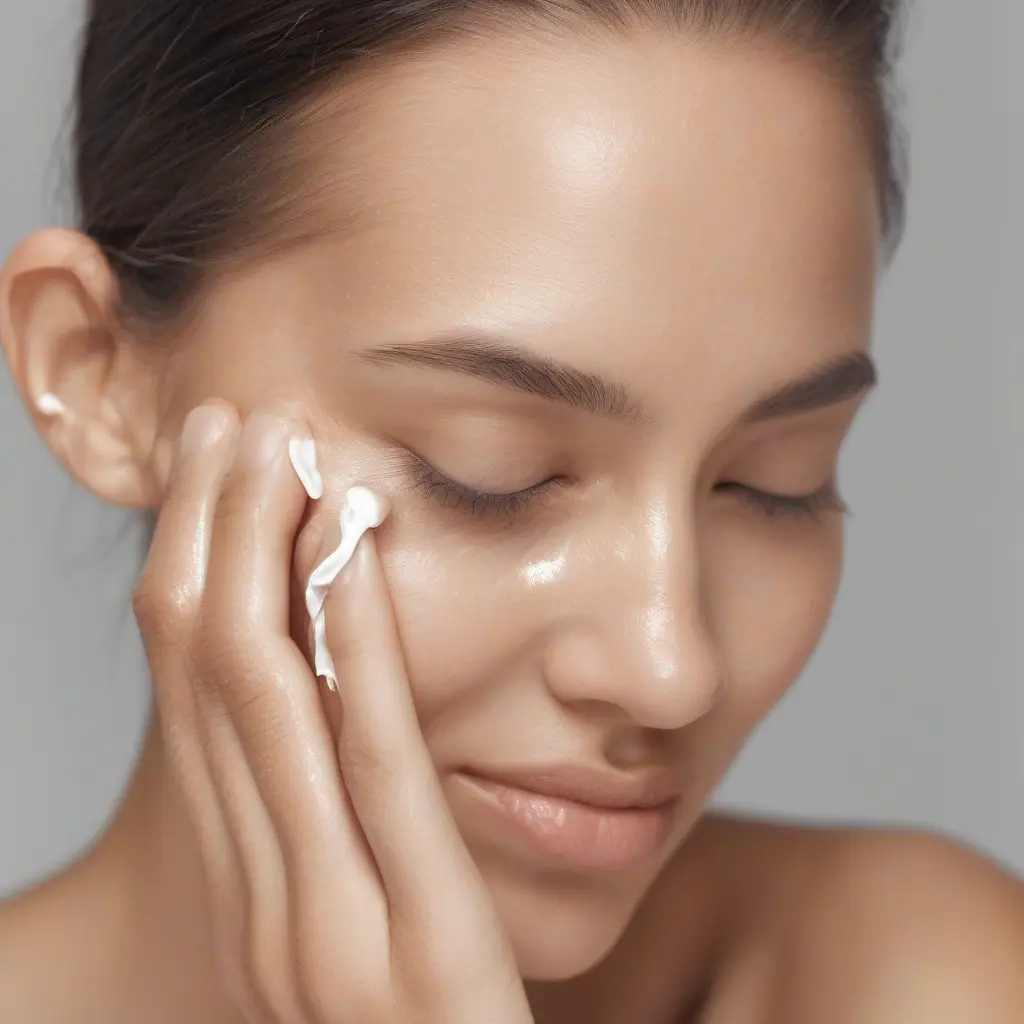


Understanding the role of pH balance in skincare is essential for achieving healthy, radiant skin. pH, or potential hydrogen, measures the acidity or alkalinity of a substance, and this factor plays a crucial role in skin health. The skin’s natural pH level typically ranges from 4.5 to 5.5, making it slightly acidic. Choosing skincare products that align with this natural balance is vital to maintaining the skin’s barrier function and preventing issues such as dryness, irritation, and breakouts. This article explores the significance of pH balance in skincare products and offers insights on how to ensure you are selecting the right products for your skin type.
What is pH and Why Does It Matter?
pH is a scale ranging from 0 to 14 that measures how acidic or alkaline a substance is, with 7 being neutral. In skincare, understanding the pH of products is critical, as it can influence various skin functions, including hydration, barrier protection, and susceptibility to infections. A pH below 7 indicates acidity, which is generally ideal for skin since our skin’s natural pH is slightly acidic. Conversely, alkaline products can disrupt this balance, leading to compromised skin barriers and increased vulnerability to environmental aggressors. Knowing the pH of your skincare products is essential for effective skin management.
The Effect of pH on Skin Barrier Function
The skin barrier is essential for protecting against environmental pollutants, bacteria, and toxins while retaining moisture. A well-maintained pH balance supports this barrier by promoting the production of natural oils and enzymes that keep the skin hydrated and resilient. When the pH level is disrupted, it can lead to skin conditions such as eczema, psoriasis, and acne. A product with a pH that closely matches the skin can reinforce the barrier function, ensuring that the skin remains healthy and well-hydrated. This highlights the importance of selecting products designed to maintain the appropriate pH level.
How pH Affects Product Efficacy
The efficacy of skincare products can significantly depend on their pH levels. Ingredients such as alpha-hydroxy acids (AHAs) like glycolic acid and beta-hydroxy acids (BHAs) like salicylic acid require specific pH ranges to be effective. When the pH is too high or too low, these active ingredients may not function optimally, reducing their effectiveness in exfoliation, acne treatment, or anti-aging benefits. Understanding the pH of products can help you select those that work synergistically with your skin’s natural chemistry, allowing for better results and improved skin health.
Choosing the Right pH for Your Skin Type
Different skin types require tailored pH levels for optimal health. For instance, oily skin often benefits from slightly more acidic products to help balance sebum production, while dry skin may need pH-balanced products that hydrate and replenish moisture. Sensitive skin types should prioritize gentle, pH-neutral products that won’t disrupt the skin barrier. Knowing your skin type and selecting products that maintain the appropriate pH can help mitigate issues such as irritation and inflammation, leading to a more balanced complexion.
Signs of pH Imbalance in Your Skin
Recognizing the signs of pH imbalance in your skin is vital for maintaining your skin’s health. Common indicators include dryness, flakiness, increased oiliness, redness, and breakouts. If your products cause irritation or your skin feels tight after cleansing, these may signal a disrupted pH balance. Other symptoms could include sensitivity or a dull complexion. Identifying these signs allows you to adjust your skincare routine and select suitable products that restore your skin’s natural pH balance.
How to Test the pH of Your Skincare Products
Testing the pH of your skincare products can be done using pH test strips or digital pH meters, which can provide accurate readings. To test, simply apply a small amount of the product to the test strip or probe and wait for the color change or reading to stabilize. Products with a pH of 4.5 to 5.5 are generally considered ideal for skin. This simple test can help you sift through products that may not be suitable for your skin type and make more informed choices in your skincare regimen.
The Role of pH in Cleansers and Exfoliators
Cleansers and exfoliators play a significant role in maintaining skin pH, especially since they are used daily. A good cleanser should ideally have a pH that is close to that of the skin to effectively remove dirt and oil without compromising the skin barrier. Alkaline cleansers can strip the skin of natural oils, leading to dryness and irritation. Similarly, exfoliators containing acids should be formulated at the correct pH to enhance performance without causing harm. Understanding the pH of these products is crucial for preventing negative effects such as over-drying or irritation.
Professional Treatments and pH Considerations
When receiving professional skincare treatments, understanding pH is equally important. Dermatologists and estheticians often utilize products with specific pH formulations to treat particular skin issues. Treatments such as chemical peels or microdermabrasion require precise pH levels to ensure effectiveness while minimizing adverse reactions. Consulting with a skincare professional about the pH of the products used during treatments can provide insights and allow for tailored recommendations for post-care products that will help maintain your skin’s health.
Natural Ingredients and Their pH Levels
Many natural ingredients commonly found in skincare products have specific pH levels that can benefit different skin types. Ingredients such as aloe vera and chamomile typically have a pH that is compatible with most skin, making them excellent choices for hydration and soothing inflammation. Conversely, essential oils often have varying pH levels and may need careful formulation to ensure they don’t disrupt skin balance. Understanding the pH of natural ingredients allows for the creation of balanced, effective skincare products that align with your skin’s needs.
Conclusion
Maintaining the right pH balance in skincare products is crucial for optimal skin health. By understanding how pH affects your skin and the efficacy of products, you can make informed choices that lead to better outcomes. Consider testing your products and choosing those that align with your skin type to promote a balanced and beautiful complexion. With the right approach to pH, you can achieve and maintain healthy skin for the long term.