
Rosacea is a common but often misunderstood skin condition that affects millions worldwide. It is characterized by redness, visible blood vessels, and sometimes pustules and swelling. While there is no cure for rosacea, effective skincare strategies and product recommendations can help manage symptoms and improve skin appearance. Understanding the triggers and the best practices for skincare can empower individuals to take control of their rosacea. This article provides insights into skincare tips and product recommendations tailored for those dealing with rosacea.
What is Rosacea?
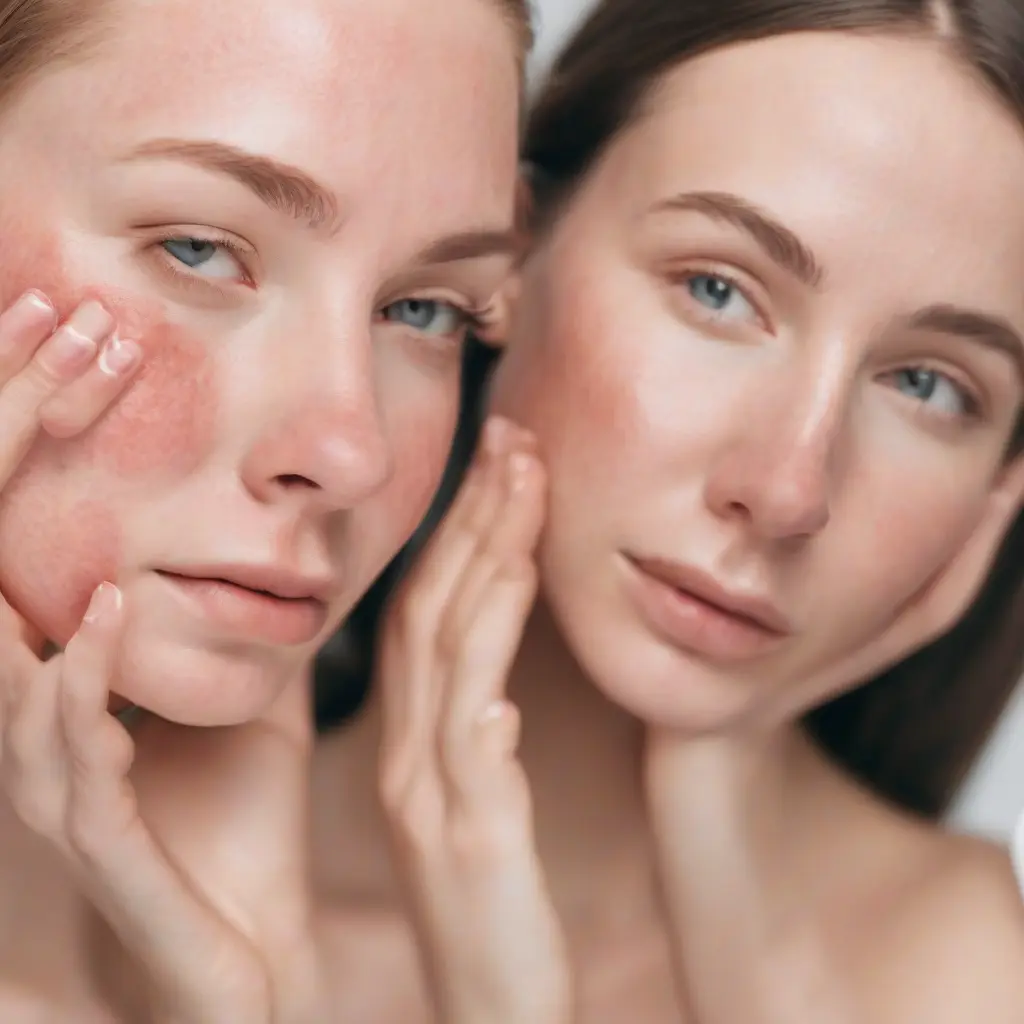
Rosacea is a chronic skin condition primarily affecting the face, leading to redness and visible blood vessels. It can also cause bumps and pimples, often mistaken for acne. Individuals may experience flushing, tingling, or burning sensations in affected areas. This condition typically appears in middle-aged adults, especially those with fair skin. Various factors, such as genetics, environmental influences, and even certain foods, can trigger flare-ups. Understanding rosacea is essential for effective management, as early identification can help integrate skincare routines that alleviate symptoms.
Common Triggers of Rosacea
Various triggers can exacerbate rosacea symptoms and lead to flare-ups. Common triggers include exposure to sunlight, which can cause redness and irritation. Hot beverages and spicy foods may also amplify symptoms by inducing flushing. Stress and emotional factors often play a significant role, as they can lead to spontaneous flare-ups. Temperature extremes, whether hot or cold, can irritate sensitive skin. Identifying and avoiding these triggers can significantly improve the management of rosacea, underscoring the importance of tracked lifestyle habits.
Skincare Routine for Rosacea
Establishing a tailored skincare routine is vital for those with rosacea. Gentle cleansing should be the foundational step, using products that do not contain harsh chemicals or fragrances. A rinse-free facial cleanser can often be ideal, as it minimizes irritation. Following cleansing, applying a soothing moisturizer designed for sensitive skin is crucial to create a barrier and maintain hydration. Additionally, incorporating sunscreen is essential, as sun protection can prevent flare-ups. It’s advisable to select products that are non-comedogenic and approved for sensitive skin to avoid complications.
Ingredients to Look For
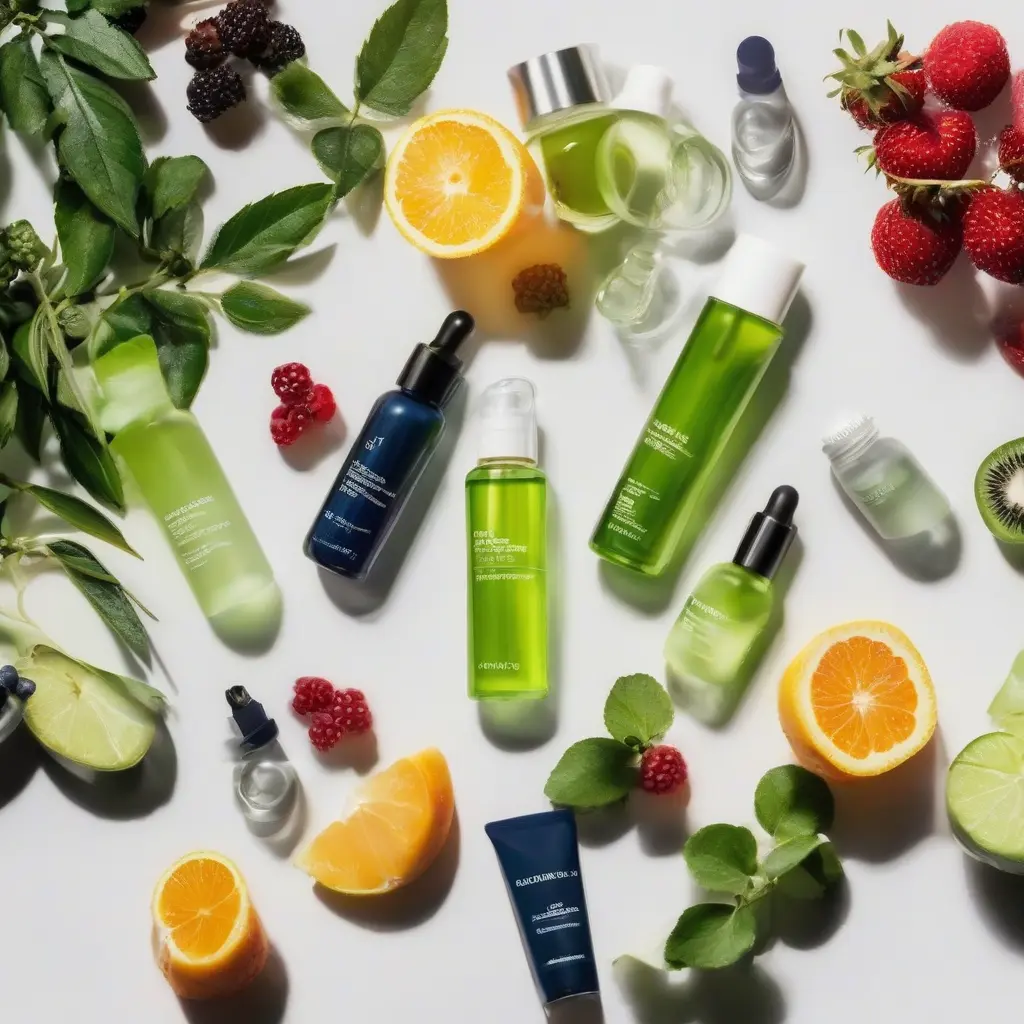
Selecting skincare products with specific ingredients can provide relief for rosacea-prone skin. Look for niacinamide, known for its anti-inflammatory properties, which can help soothe redness. Other beneficial ingredients include azelaic acid, which can reduce bumps and irritation, and green tea extract, which offers antioxidant protection. Glycerin is another excellent option, as it keeps skin hydrated without clogging pores. Additionally, chamomile and licorice extract can calm irritation and help even out skin tone. When choosing products, it’s important to ensure that they are free from alcohol and strong fragrances.
Best Cleansers for Rosacea
When dealing with rosacea, choosing the right cleanser is crucial. Look for gentle, non-foaming cleansers that effectively remove dirt without stripping natural oils. Cream-based or lotion cleansers often work best, as they provide hydration and soothe irritation. Products containing ingredients such as aloe vera or hyaluronic acid can be particularly beneficial. Avoid cleansers with exfoliating beads or strong astringents, as these may worsen flare-ups. Opting for pH-balanced formulations can also help maintain the skin’s natural barrier and reduce sensitivity.
Recommended Moisturizers for Rosacea
Choosing an appropriate moisturizer is essential for maintaining hydration in rosacea-prone skin. Look for products labeled as hypoallergenic and fragrance-free to minimize irritation. Moisturizers containing ceramides can strengthen the skin barrier, while those with antioxidants, like vitamin E, can provide additional protection against environmental stressors. Brands that offer soothing formulations specifically designed for sensitive skin are often the best choice. Moisturizing regularly can help to alleviate dryness and flakiness, both of which can exacerbate the appearance of rosacea.
Sunscreen Recommendations
Sunscreen is a non-negotiable step in any skincare routine for rosacea. Opt for mineral-based sunscreens containing zinc oxide or titanium dioxide, as these are less likely to irritate sensitive skin compared to chemical sunscreens. Look for broad-spectrum protection with an SPF of at least 30. These formulations often help prevent flare-ups triggered by sun exposure. Additionally, consider using tinted sunscreens, which provide coverage while also helping to neutralize redness. Daily application and reapplication in sunny conditions are vital for effective protection.
Lifestyle Adjustments for Rosacea Management
In addition to skincare routines, making lifestyle adjustments can significantly help manage rosacea. Keeping a symptom diary can help identify personal triggers related to diet, weather changes, or stress. Regular exercise, although beneficial, should be balanced with proper skincare, especially since sweating can lead to flare-ups. Maintaining ambient temperature and avoiding abrupt heat changes can also help. Adequate hydration is key, so drinking plenty of water supports overall skin health. These lifestyle changes contribute greatly to managing rosacea symptoms successfully.
Consulting a Dermatologist
If rosacea symptoms persist or worsen despite a well-curated skincare routine, consulting a dermatologist becomes essential. A professional can assess the severity of the condition and recommend tailored treatments, such as topical prescription medications or laser therapy. These interventions can significantly reduce redness and improve overall skin texture. Furthermore, dermatologists can provide guidance on lifestyle adjustments and recommend the best products based on individual skin needs. Regular check-ins may help ensure that any changes in symptoms are addressed promptly.
Natural Remedies for Rosacea
Many individuals explore natural remedies as part of their rosacea management strategy. Ingredients like honey and aloe vera have soothing properties that may reduce redness and inflammation. Green tea, known for its antioxidant effects, can also be used topically or ingested to support skin health. Additionally, applying cool compresses can relieve irritation and calm the skin. However, it’s essential to patch-test any natural product to prevent adverse reactions, especially if you’re already sensitive. Integrating these remedies can supplement traditional skincare for a holistic approach.
Conclusion
Understanding and managing rosacea requires a comprehensive approach that includes skincare, lifestyle modifications, and professional guidance. With the right products and practices, it is possible to minimize symptoms and maintain healthier skin. By identifying triggers and adhering to recommended treatments, individuals can navigate this challenging condition effectively. A well-rounded strategy allows for not just symptom management, but also a boost in confidence and overall well-being.