

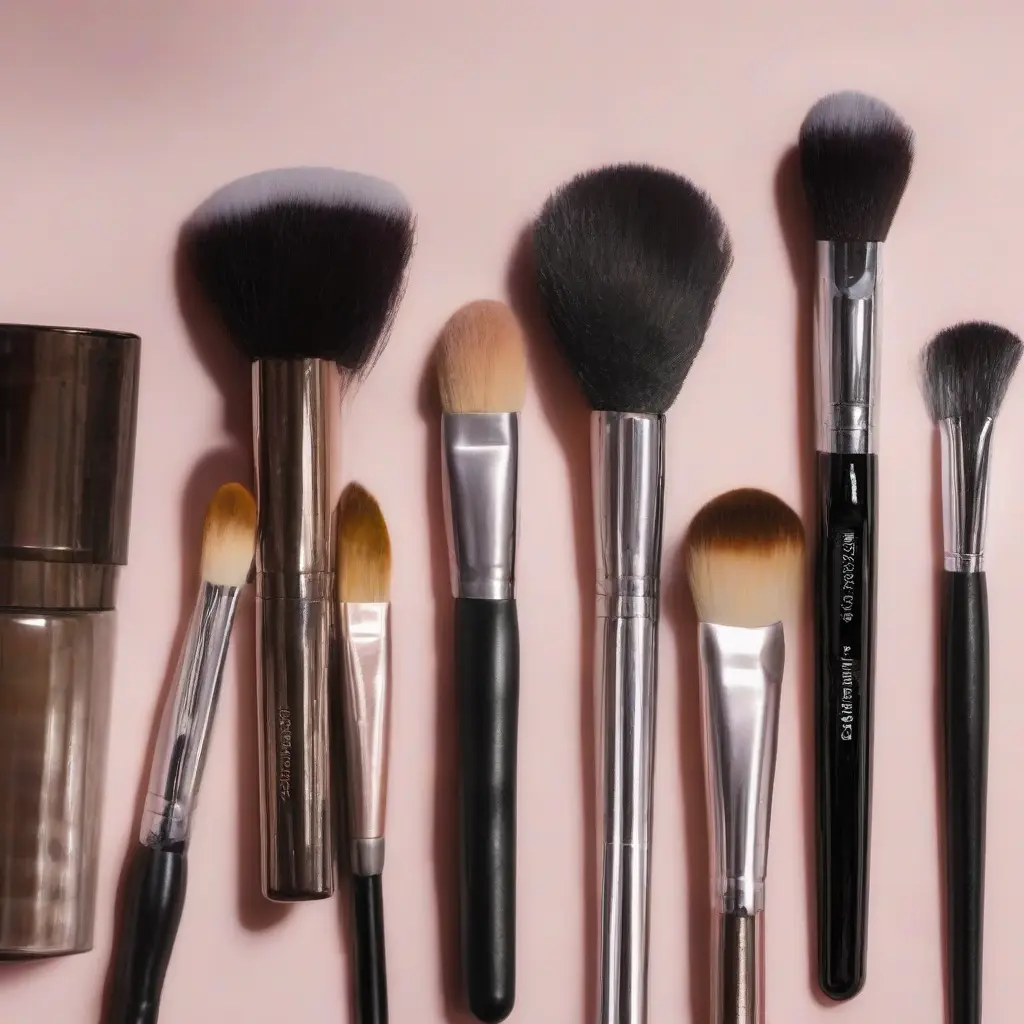
Understanding makeup brushes can significantly enhance your beauty routine. For beginners, the array of options available may feel overwhelming. This guide aims to demystify the various types of makeup brushes, helping you make informed decisions when customizing your brush collection. From the fundamental features to tell apart different brushes to expert application tips, this comprehensive overview will set you on the right path to mastering your makeup application skills.
Types of Makeup Brushes
Makeup brushes come in diverse shapes and sizes, each designed for specific tasks. The primary categories include face brushes, eye brushes, and lip brushes. Face brushes like foundation brushes and powder brushes help apply base makeup smoothly. Eye brushes, including blending brushes and eyeliner brushes, cater to different eye makeup techniques. Lastly, lip brushes provide precision in applying lip color. Understanding these categories will help you effectively choose the right brush for your makeup needs.
Choosing the Right Makeup Brushes
When selecting makeup brushes, consider factors such as the bristle material, size, and shape. Natural bristles, made from animal hair, are ideal for powder products as they pick up and distribute pigments beautifully. Synthetic bristles, on the other hand, are perfect for cream and liquid products, offering ease of cleaning and durability. Additionally, look for brushes with comfortable handles that provide a good grip, allowing for better control while applying makeup.
Essential Brushes for Your Kit
Every makeup kit should include a few essential brushes that cater to a variety of applications. A foundation brush, concealer brush, and a blending brush are crucial for achieving a flawless complexion. A fluffy powder brush is necessary to set the base makeup, while an angled blush brush will help give your cheeks a natural flush. For eye makeup, a flat shader brush and a blending brush are must-haves for creating both simple and intricate eye looks.
How to Clean Your Makeup Brushes
Regular cleaning of your makeup brushes is vital for maintaining their longevity and ensuring hygiene. Brushes should be cleaned at least once a week to remove makeup residue and bacteria. Use a gentle brush cleanser or baby shampoo mixed with lukewarm water. Swirl the bristles in the solution, rinse thoroughly, and reshape the brush heads before laying them flat to dry. This practice will help you avoid skin irritations and ensure smooth makeup application.
Understanding Brush Numbers and Labels
Many brushes come labeled with numbers and names, which indicate their intended use. Brands may assign different numbering systems, but some common labels refer to specific types of brushes. For instance, the ‘204’ label often signifies a flat shader brush, while a ‘217’ may refer to a blending brush. Understanding these numbers can help you make informed purchases, as they guide you in selecting brushes that meet your makeup application needs.
Applying Makeup with Brushes
Each type of brush has a unique technique for application that can greatly affect the outcome of your makeup look. For foundation, use short strokes to blend in the product seamlessly. For concealer, a tapping motion helps to cover blemishes effectively. When using eye brushes, remember to build color gradually. Apply shadows in layers, blending as you go for a more polished finish. Practicing these techniques with different brushes will lead to improved application skills over time.
Investing in Quality Makeup Brushes
While it can be tempting to buy cheaper brushes, investing in quality makeup brushes pays off in the long run. High-quality brushes tend to last longer, provide better application, and require less frequent replacement. An investment in a versatile set of brushes can enhance your makeup experience significantly. Consider reputable brands known for their craftsmanship, and prioritize brushes made from durable materials—this will ensure that your investment yields excellent results.
Storing Your Makeup Brushes
Proper storage of your makeup brushes is essential for maintaining their shape and quality. Use a brush holder or a clean container to keep brushes upright, preventing bristle damage. Avoid storing brushes in damp areas to prevent mold growth. Additionally, keeping them covered can protect them from dust and other contaminants. An organized storage solution not only keeps your brushes in good condition but also makes it easy to find the right brush when you need it.
Common Mistakes to Avoid
Many beginners make common mistakes that can hinder their makeup application experience. One prevalent mistake is using the wrong brush type for a specific product, which can result in uneven application. Additionally, not cleaning brushes regularly can lead to breakouts or infections. Rushing through the application process often leads to mistakes that could easily be avoided with a little patience. By staying aware of these common pitfalls, beginners can enhance their makeup skills effectively.
Conclusion
Mastering the use of makeup brushes is an essential skill for anyone looking to enhance their beauty routine. By understanding the different types, how to care for them, and the techniques required for application, you can significantly improve your makeup results. Investing in quality brushes and practicing regularly will lead to greater confidence and proficiency in your makeup application journey.