

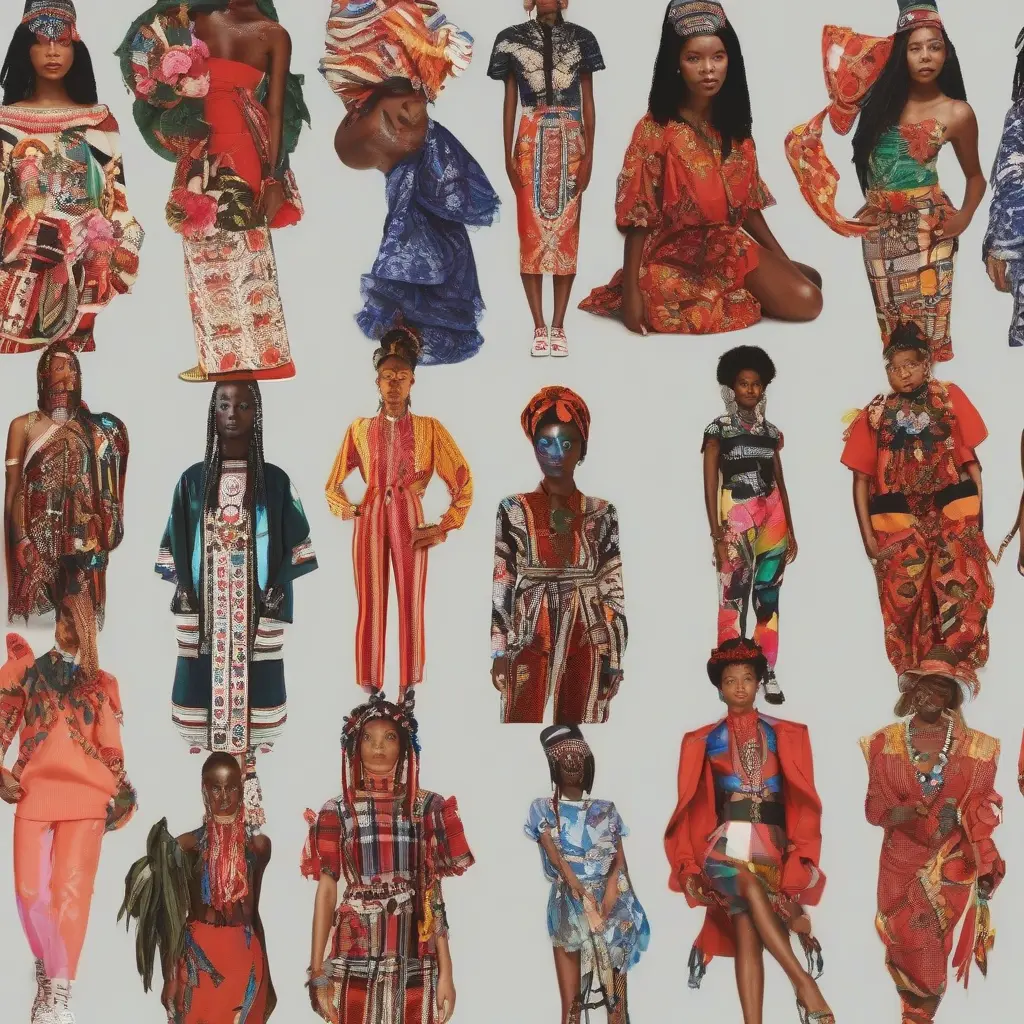
The debate surrounding cultural appropriation and appreciation in fashion has gained significant momentum in recent years. As global cultures increasingly intersect, understanding the fine line between appreciative engagement and appropriation is crucial for designers, consumers, and brands. This blog will explore the definitions, implications, and contexts of both concepts to foster a more informed dialogue about how fashion interacts with cultural identity. By examining real-world examples and expert insights, we aim to clarify these often-misunderstood terms in the realm of fashion.
Defining Cultural Appropriation
Cultural appropriation refers to the act of taking or using elements from one culture, typically without permission or understanding, often by individuals from a more dominant culture. This practice can lead to the commodification and misrepresentation of cultural symbols, which can be seen as disrespectful or harmful. In fashion, when designers borrow styles, patterns, or traditional garments without acknowledging their origins, it raises ethical questions about the lack of respect for the community that created them. This can foster resentment and alienation among those whose culture is being appropriated.
Understanding Cultural Appreciation
Cultural appreciation involves a respectful and informed engagement with another culture’s elements, where individuals recognize the significance and value behind these cultural symbols. In fashion, this can mean collaborating with artisans from a specific culture, understanding the history and context of designs, or seeking permission before using traditional motifs. Appreciation focuses on celebrating cultural diversity while empowering the creators and context from which these elements arise. This approach promotes mutual understanding and respect, enriching the fashion landscape rather than exploiting it.
The Fine Line Between Appropriation and Appreciation
Navigating the line between cultural appropriation and appreciation in fashion can be complex. It often hinges on context, intent, and impact. For instance, wearing a cultural garment as a costume for a themed party may come off as disrespectful, while supporting a designer from that culture can demonstrate appreciation. The question lies in whether the use is respectful and whether it acknowledges its origins. Analyzing the motivations behind adopting another culture’s elements and the effects on the community in question is crucial for distinguishing between the two.
Real-World Examples in Fashion
Fashion has seen numerous instances of cultural appropriation, often resulting in backlash. For example, when major brands release collections featuring Native American headdresses or traditional African prints without contextual understanding, they may face criticism for cultural insensitivity. Conversely, collaborations with indigenous designers that celebrate their craft while providing visibility and financial support exemplify cultural appreciation. These cases underline the importance of context and the need for brands to engage ethically with cultural elements within their designs.
Ethics of Cultural Representation
The ethics of cultural representation in fashion are increasingly at the forefront of industry discussions. Designers and brands are now challenged to consider the origins of the elements they wish to incorporate into their collections. It’s crucial for brand leaders to undergo cultural sensitivity training and engage with cultural consultants to ensure respectful representations. Building relationships with cultural communities not only mitigates the risk of appropriation but also fosters richer collaborations and authentic narratives, creating a more inclusive fashion environment.
The Role of Social Media in Raising Awareness
Social media has played a significant role in raising awareness about cultural appropriation in fashion. Platforms like Instagram and Twitter allow for immediate feedback, enabling communities to voice concerns about insensitive practices. Influencers and activists have used these channels to educate their followers about the significance of cultural elements, advocating for respectful engagement. This digital landscape has empowered individuals and communities to hold brands accountable for their actions, fostering a more dialogic approach to cultural representation in fashion.
Education and Cultural Exchange in Fashion
Education is essential in fostering a deeper understanding of cultural nuances and backgrounds within fashion. Workshops, discussions, and collaborations that promote cultural exchange can encourage designers to learn about the threads they weave into their collections. Educators, artists, and cultural historians can provide valuable insights into the significance of specific garments and motifs, allowing creators to appreciate the history and context before drawing inspiration. An informed approach empowers designers to celebrate diversity in meaningful ways, bridging cultural divides.
Promoting Diversity in Fashion Design
Promoting diversity within fashion design involves amplifying voices from marginalized communities and ensuring representation at all levels of the industry. When diverse designers have the opportunity to showcase their work, they can offer authentic interpretations of their cultures, ultimately enriching the fashion dialogue. Additionally, encouraging fashion schools to include diverse perspectives in their curricula can prepare future designers to navigate cultural nuances thoughtfully. This approach fosters respect for cultural identities and mitigates the risks of appropriation, encouraging genuine appreciation.
Future Trends in Cultural Understanding
As the fashion industry continues to evolve, a growing emphasis on cultural understanding and ethical practices is becoming apparent. Future trends may include more collaborations between brands and cultural ambassadors, ensuring that traditional knowledge and aesthetics are honored. Authentic representation and storytelling will gain importance, pushing back against the commercialization of culture. Companies may also leverage technology to create immersive experiences that educate consumers about the cultural significance behind their clothing. This shift toward ethical engagement is essential for a more equitable fashion landscape.
Conclusion
Understanding cultural appropriation versus appreciation is crucial in today’s interconnected fashion landscape. By fostering respect, educating ourselves, and engaging thoughtfully with diverse cultures, we can celebrate fashion’s rich tapestry while honoring its origins. This nuanced understanding promotes respectful practices that enhance creativity and inclusivity, ultimately benefiting the entire fashion community.