

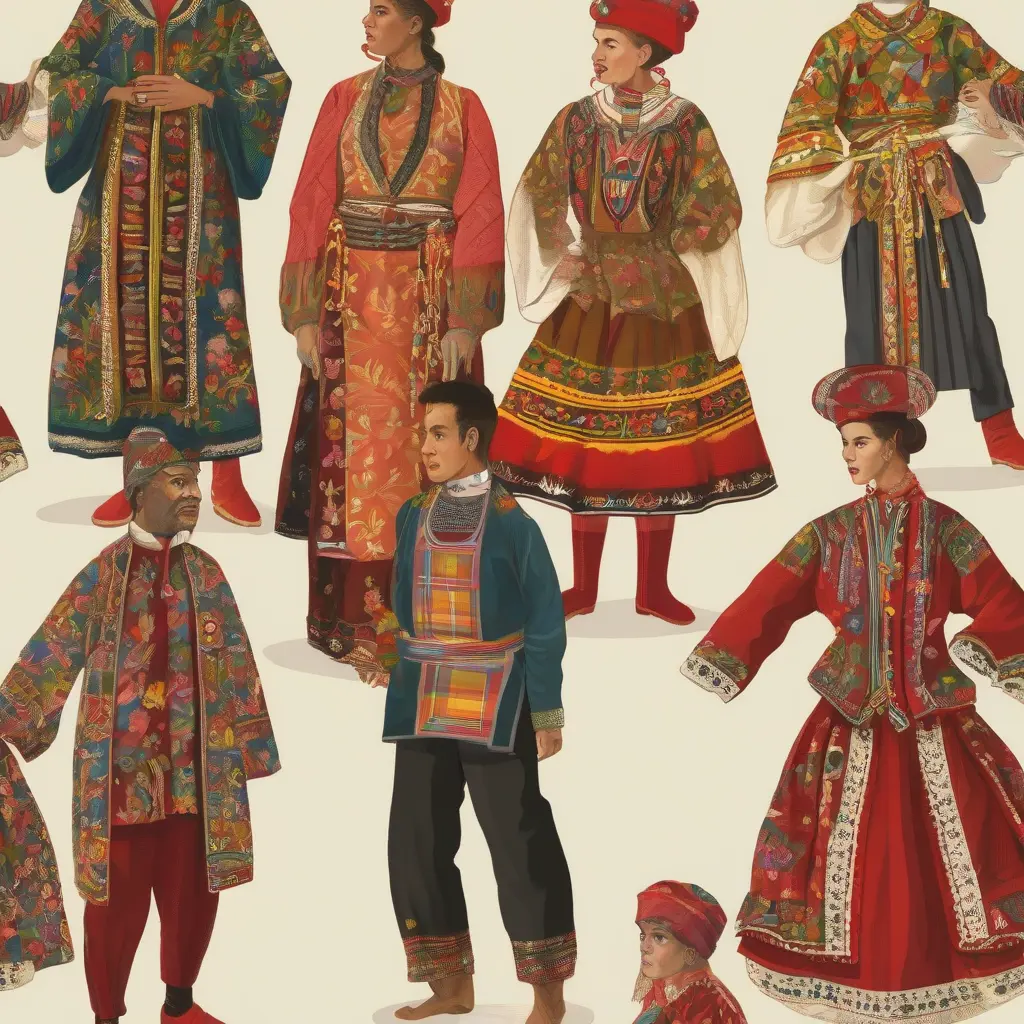
Traditional clothing carries deep cultural significance, serving as a lens through which we can explore the values, beliefs, and histories of diverse communities around the world. These garments often reflect social status, regional identity, and historical context, providing insights into how societies evolve over time. From intricate embroideries to vibrant colors, traditional attire encapsulates stories and traditions passed down through generations. As globalization continues to shape our world, understanding the cultural importance of these garments helps preserve heritage and promotes respect and appreciation for diversity.
The Role of Traditional Clothing in Cultural Identity
Traditional clothing plays a pivotal role in reinforcing cultural identity, acting as a symbol of belonging for individuals within a community. Each garment often has specific meanings tied to rituals, festivals, or everyday life, distinguishing one culture from another. For instance, the kimono in Japan is not merely attire; it represents centuries of history and social norms. Similarly, the sari in India serves not only as a fashionable piece but also embodies tradition and ethnicity, reinforcing individual and collective identities in a rapidly changing world. Through these garments, people express their cultural narratives and personal stories.
Traditional Clothing and Social Status
Throughout history, traditional clothing has often indicated social status within various cultures, with distinct attire associated with nobility, clergy, or commoners. For instance, the use of silk in traditional Chinese garments was once limited to the elite, demonstrating wealth and exclusivity. This differentiation also extends to ceremonial attire; for example, in many African cultures, specific patterns and colors signify tribal affiliation and social roles. Such garments communicate messages about an individual’s position in society, offering clues about cultural hierarchies and social structures that have evolved over time.
Traditional Clothing in Religious Practices
In many cultures, traditional clothing holds significant religious connotations, influencing how followers express their faith. For instance, the hijab in Islamic communities is not just a garment but a representation of modesty and spirituality. Similarly, in Judaism, the tallit is worn during prayer, symbolizing a connection to faith and tradition. These garments often feature specific colors, patterns, or materials that align with particular religious customs, signifying the belief systems and values of the communities that wear them. As such, traditional clothing often acts as an extension of religious identity and cultural heritage.
Impact of Globalization on Traditional Clothing
Globalization has significantly impacted traditional clothing, promoting both preservation and adaptation. On one hand, increased exposure to different cultures can lead to appreciation for traditional garments; on the other, it might also result in the commodification of cultural attire. Many artisans and designers adapt traditional styles, integrating them with modern fashion trends, which can enhance visibility but may dilute original meanings. While globalization offers an opportunity to celebrate diversity, it also raises concerns about cultural appropriation and identity loss among communities that are deeply connected to their traditional attire.
Sustainable Fashion and Traditional Clothing
The movement towards sustainable fashion has revived interest in traditional clothing, emphasizing ethical practices and cultural authenticity. Many consumers are seeking out garments that not only reflect their values but are also environmentally friendly and culturally respectful. By supporting local artisans and traditional textile production, individuals are helping to sustain age-old traditions while promoting eco-friendly practices. In this context, traditional clothing serves as a bridge between sustainability and cultural expression, reinforcing the idea that fashion can be both stylish and responsible.
The Future of Traditional Clothing
As we look to the future, the evolution of traditional clothing will likely continue, influenced by changing societal norms, technology, and cross-cultural interactions. Younger generations may reinterpret classic designs, making them more relevant while maintaining essential cultural elements. Social media platforms have also become vital in sharing and promoting traditional attire globally, fostering pride in cultural heritage. Ultimately, the future of traditional clothing lies in balancing innovation with preservation, ensuring that these garments continue to convey their rich histories and significance for generations to come.
Conclusion
The cultural significance of traditional clothing around the world is profound, intertwining identity, history, and societal values. Understanding these garments deepens our appreciation for cultural nuances and fosters respect for diverse communities. As traditional clothing adapts to modern influences, it remains a vital expression of heritage and an essential thread in the fabric of global culture. Embracing and honoring these traditions allows us to celebrate humanity’s rich tapestry and promotes a more inclusive world.