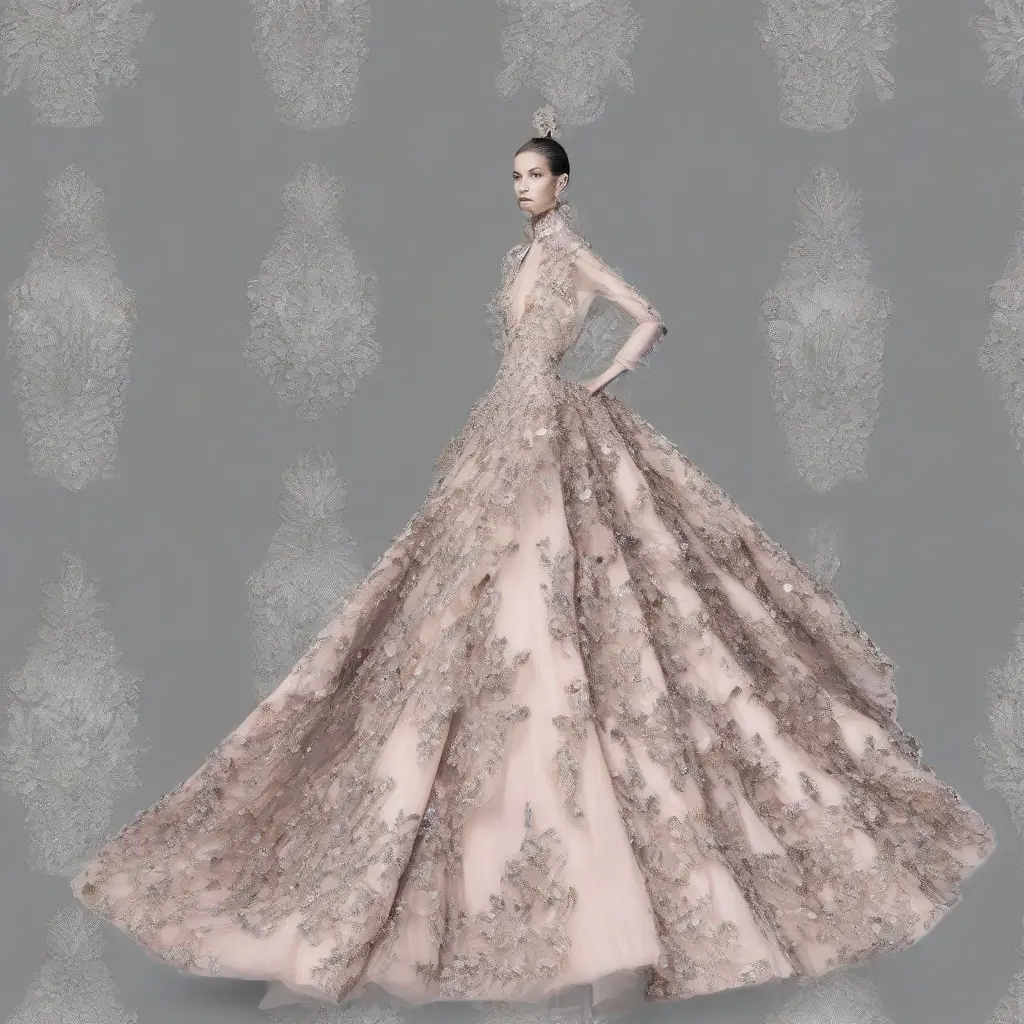

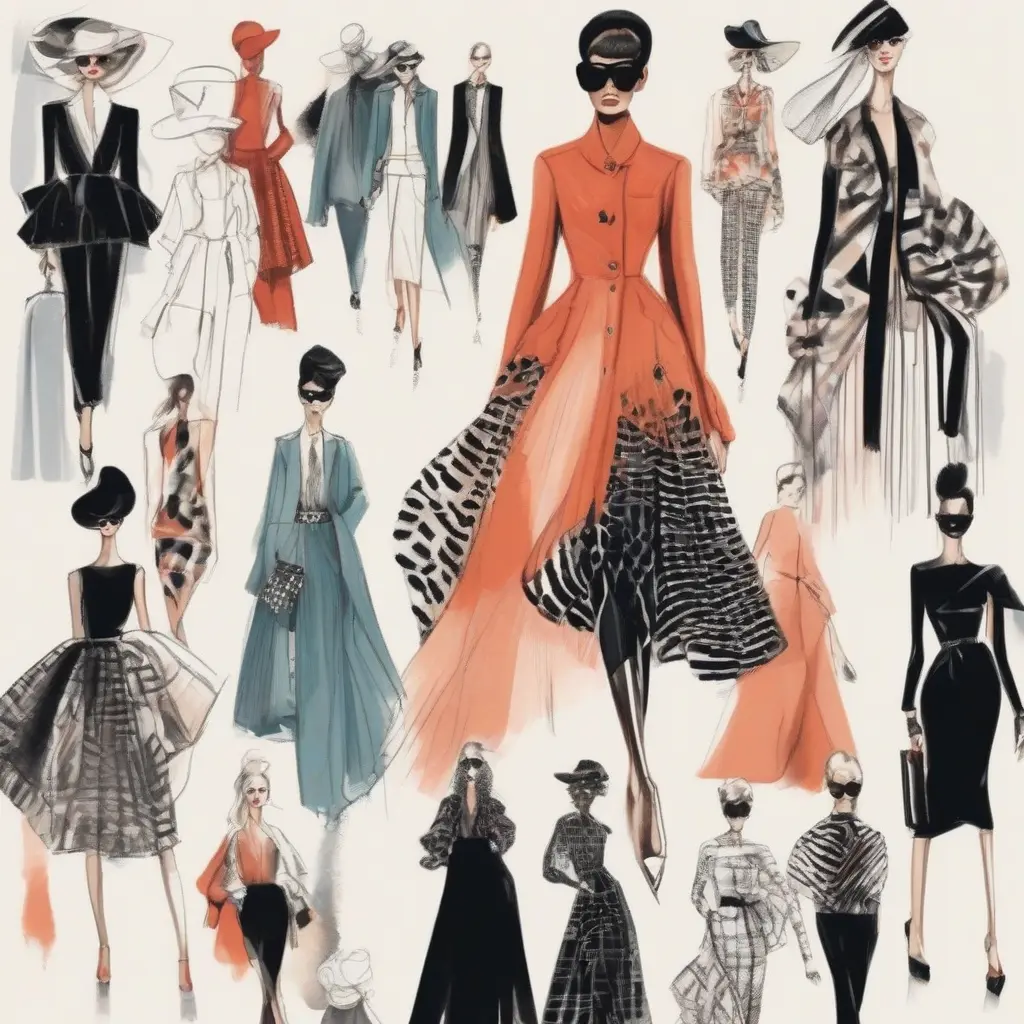
Fashion illustrations have become a vital component of the fashion industry, serving as a bridge between ideas and visual reality. These artistic representations provide an essential tool for designers, allowing them to communicate their creative visions effectively. With the rise of digital technology, the means of creating and sharing fashion illustrations have evolved, making them more accessible and impactful. This article delves into the diverse aspects of fashion illustrations, exploring their history, significance, techniques, and current trends in the industry.
A Brief History of Fashion Illustrations
Fashion illustrations date back to the 16th century, where they emerged as a means of portraying clothing designs before the widespread use of photography. Artists like Paul Poiret and Charles Worth utilized illustrations to present their collections to the elite of society. Throughout the centuries, these illustrations evolved in style and technique, influenced by cultural shifts and technological advancements. In the 20th century, iconic illustrators such as René Gruau and David Downton further shaped the genre, blending art with fashion and enhancing the visual language of style.
The Role of Fashion Illustrations in Design
Fashion illustrations serve a crucial role in the design process, acting as a medium through which designers can express their concepts visually. These artworks help in conceptualizing color palettes, fabric choices, and silhouettes. By enabling designers to experiment with various ideas before actual production, illustrations can streamline the design process, saving time and resources. Furthermore, they allow for collaboration among teams, as visual representations lead to clearer communication and shared understanding of the final product.
Techniques in Fashion Illustration
Various techniques are used in fashion illustration, ranging from traditional hand-drawn methods to modern digital tools. Traditional illustrations often involve mediums like watercolor, ink, and charcoal, offering a unique texture and depth. In contrast, digital illustrations utilize software like Adobe Illustrator and Procreate, allowing for precision and the ability to easily edit designs. These diverse techniques enable artists to create illustrations that resonate with different audiences, showcasing their unique styles while adhering to industry trends.
The Impact of Technology on Fashion Illustration
The advent of technology has transformed the landscape of fashion illustrations in numerous ways. Digital platforms enable fashion illustrators to reach wider audiences, showcasing their work through social media and online portfolios. Moreover, technology provides tools for artists to enhance their creativity, allowing for rapid experimentation with styles and colors. Virtual reality and augmented reality are also becoming integrated into fashion design, opening up new avenues for illustration and potentially changing the way collections are presented.
Current Trends in Fashion Illustration
Recently, fashion illustrations have embraced a range of contemporary trends that reflect global culture and diversity. Illustrators are increasingly focusing on inclusivity, showcasing diverse body types, ethnicities, and fashion styles to represent a broader audience. Additionally, sustainability has become a significant theme within illustrations, with many artists highlighting eco-friendly designs and practices. These trends are crucial in making fashion more relatable and reflective of the society we live in, influencing both designers and consumers alike.
The Intersection of Fashion and Art
Fashion illustration exists at the intersection of fashion and art, making it a unique discipline that celebrates creativity. Many illustrators draw inspiration from various art movements, infusing their work with artistic elements that elevate the fashion narrative. This cross-pollination allows for innovative presentations of clothing, empowering artists to tell stories through their illustrations. As the fashion industry continues to evolve, the blend of these two realms remains critical in shaping trends and pushing creative boundaries.
Careers in Fashion Illustration
Pursuing a career in fashion illustration opens diverse opportunities within the fashion industry. Successful illustrators can work with fashion houses, magazines, advertising agencies, and as independent freelancers. Many fashion illustrators also engage in teaching, sharing their skills with aspiring artists. A portfolio showcasing a unique style and versatility is essential, enabling illustrators to stand out in a competitive market. Networking through social media platforms and industry events can further enhance career prospects and create professional connections.
The Future of Fashion Illustrations
The future of fashion illustrations looks promising as the industry shifts toward a more digital and sustainable approach. As technology advances, we are likely to see more interactive and dynamic illustrations that engage consumers in novel ways. Additionally, the emphasis on inclusivity will continue to shape both the content and style of fashion illustrations. As fashion reflects societal changes, illustrations will evolve to address new challenges and aspirations in the ever-changing landscape of style and trends.
Conclusion
Fashion illustrations hold a significant place in the world of design, transcending mere artistry to influence trends and styles comprehensively. Their evolution reflects the intersection of culture, technology, and creativity, continuously adapting to the changing zeitgeist of fashion. As they progress, they remain a vital narrative tool that not only communicates designers’ visions but also resonates with the audience’s diverse perspectives, ensuring the art of fashion illustration will endure in the years to come.