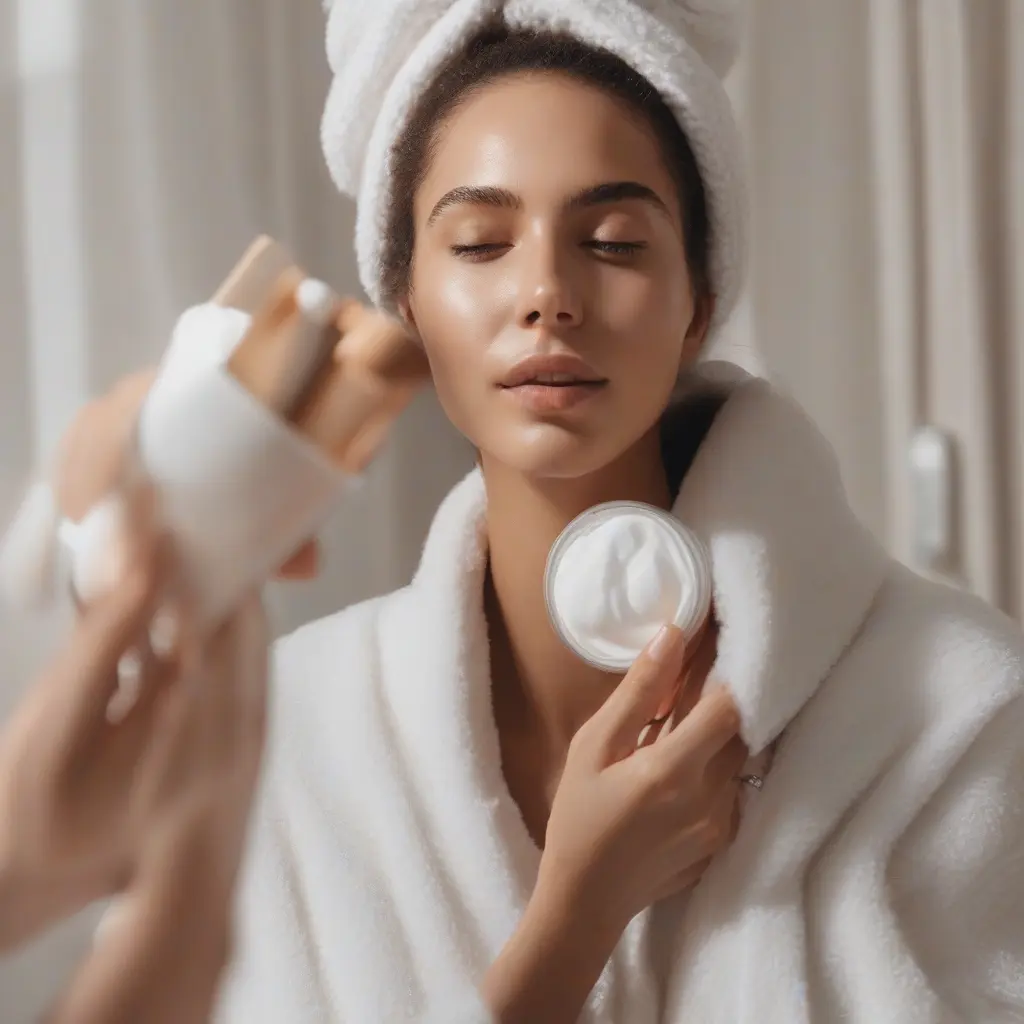


In the world of beauty and skincare, misinformation can easily lead individuals astray from achieving their desired skin health. Many people rely on popular beliefs that are often not rooted in scientific facts. Understanding what is myth and what is reality can significantly impact your skincare routine. This article aims to debunk common skincare myths, helping you navigate through the beauty landscape with informed decisions.
Myth 1: You Don’t Need Sunscreen on Cloudy Days
A prevalent myth suggests that sunscreen is unnecessary when the sun is obscured by clouds. However, up to 80% of UV rays can penetrate through cloud cover, causing significant skin damage over time. This misconception can lead to an increased risk of skin cancer and premature aging. It is essential to apply a broad-spectrum sunscreen regardless of the weather conditions to ensure optimal skin protection.
Myth 2: Oily Skin Doesn’t Need Moisturizer
Many believe that those with oily skin should skip moisturizer, fearing it will cause breakouts. In reality, hydration is crucial for all skin types, including oily skin. When the skin is dehydrated, it may produce even more oil to compensate, leading to greater problems. A lightweight, oil-free moisturizer can help balance oil production while providing necessary hydration.
Myth 3: Natural Ingredients Are Always Better for Your Skin
While natural ingredients can offer benefits, they are not universally safer or more effective than synthetic alternatives. Some natural compounds can cause allergic reactions or irritation. On the other hand, many scientific formulations utilize ingredients that have been rigorously tested for safety and efficacy. Always review the ingredient list and consider your skin’s specific needs rather than simply opting for ‘natural’ options.
Myth 4: You Only Need to Exfoliate Once a Week
Another common misconception is that exfoliating once a week is sufficient. However, the ideal frequency of exfoliation largely depends on your skin type and the products used. While sensitive skin may require less exfoliation, drier skin types might benefit from more frequent treatment. Regular exfoliation removes dead skin cells, enhancing skin’s texture and preventing clogged pores.
Myth 5: Expensive Products are Always More Effective
There is a commonly held belief that pricier skincare products yield better results. However, the efficacy of a product often depends on its ingredients rather than its price tag. Many budget-friendly options contain effective components that achieve similar outcomes as high-end products. Conducting thorough research and reading reviews can guide you toward effective solutions without breaking the bank.
Myth 6: Your Skin Can Get Used to Products
Another myth is the idea that skin can adapt to skincare products, rendering them ineffective over time. While some individuals may notice different responses to products due to changes in skin condition or environmental factors, this does not indicate that your skin has ‘gotten used to’ a product. If you stop seeing results, consider adjusting your routine or trying new products that suit your current skin state.
Myth 7: All Acne Comes from Poor Hygiene
A widespread misunderstanding suggests that acne is solely the result of poor hygiene. While unclean skin can contribute to breakouts, many factors influence acne formation, including hormones, genetics, and diet. Over-washing can strip skin of natural oils, worsening the issue. Maintaining a balanced skincare routine tailored to your skin’s needs is crucial in managing acne effectively.
Myth 8: Skin Type Never Changes
Many people assume that their skin type remains constant throughout their lives. However, skin types can evolve due to various factors, including age, hormonal changes, and environmental influences. It’s important to regularly assess your skin’s condition and adjust your skincare regimen accordingly. Keeping track of these changes can help maintain skin health and targeted treatments.
Myth 9: You Don’t Need to Worry About Ingredients If You’re Young
The belief that young skin does not require concern over active ingredients is misleading. Starting a proactive skincare routine early can lay the foundation for long-term skin health. Ingredients like antioxidants and sunscreens help prevent future damage, keeping skin youthful. Educating yourself on beneficial components and incorporating them into your regimen at a young age is a wise investment.
Myth 10: Makeup Can Replace Skincare
Some people believe that makeup products can effectively replace a comprehensive skincare routine. While tinted moisturizers and BB creams offer hydration and limited sun protection, they do not provide the same benefits as dedicated skincare products. Skincare should focus on cleansing, treating, and protecting the skin, while makeup serves primarily cosmetic purposes. A balanced approach is necessary for optimal skin health.
Conclusion
Understanding and debunking skincare myths can empower individuals to craft effective beauty routines that genuinely benefit their skin. With the right knowledge, you can navigate the world of skincare confidently. Always prioritize factual information when making decisions about products and routines, as informed choices lead to healthier skin and more effective results.