
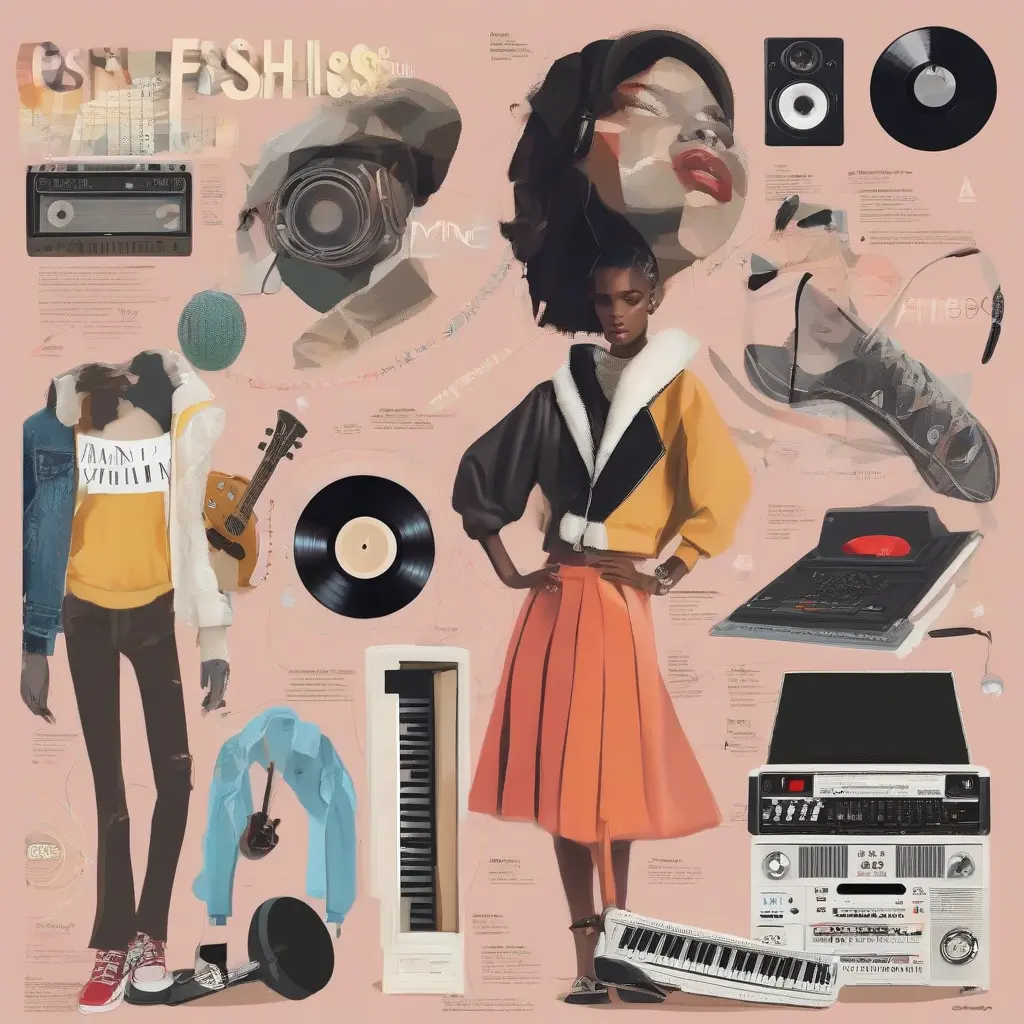
Music and fashion have long been intertwined, influencing each other in profound ways. From the flamboyance of punk rock to the elegance of jazz, different musical genres have shaped not only the soundtracks of our lives but also the way we present ourselves. This article delves into various music genres and their distinct impact on fashion styles, exploring how styles evolve alongside musical movements and how artists set trends that transcend the boundaries of music and fashion.
The Rock and Roll Revolution
The inception of rock and roll in the 1950s marked a significant shift in youth culture and fashion. Artists like Elvis Presley and The Beatles popularized bold, rebellious clothing styles that incorporated leather jackets, tailored suits, and iconic hairstyles. This genre embraced a sense of individualism and defiance against traditional norms, encouraging fans to express themselves through similar styles. As rock evolved through the decades, designers started to draw inspiration from these musicians, leading to a cultural fusion that melded music with high fashion.
Punk: A Fashion Statement
Punk music emerged in the 1970s as a raw response to mainstream culture, profoundly affecting fashion. Bands like the Sex Pistols and The Clash embraced DIY aesthetics, which included torn clothing, safety pins, and unconventional hairstyles like mohawks. This genre’s influence on fashion was striking, as it encouraged a rejection of societal norms and the embrace of anti-establishment attitudes. Punk became a vehicle for self-expression, with its fashion serving as a visual protest against conformity and consumerism in society.
Hip Hop: Streetwear and Beyond
The hip hop genre revolutionized fashion by integrating streetwear into mainstream culture, starting in the late 1970s. Artists like Run-D.M.C. and later, Tupac and Biggie Smalls, showcased urban styles consisting of oversized shirts, baggy jeans, and branded sneakers. This genre promoted a unique blend of comfort and street sensibility, reflecting the experiences of inner-city life. Furthermore, hip hop’s influence has expanded beyond music, impacting luxury fashion brands and spawning collaborations with high-end designers, thus merging casual wear with couture.
Pop Music and High Fashion
Pop music, characterized by its broad appeal and catchy tunes, often mirrors contemporary fashion trends. Icons like Madonna and Lady Gaga have not only defined musical trends but also set fashion benchmarks that influence global styles. Their visually striking performances and bold aesthetics often lead to memorable fashion moments that captivate the audience’s imagination. As pop stars collaborate with high-fashion designers, they continuously push the boundaries of trendy aesthetics, merging audiophilic and visual arts.
The Influence of Country Music
Country music, with roots in rural America, has its own distinct fashion style characterized by cowboy boots, denim jackets, and plaid shirts. Artists like Dolly Parton and Johnny Cash are synonymous with specific fashion elements that reflect the culture and lifestyles of their fans. This genre promotes authenticity and a connection to traditional values, influencing fans’ fashion choices with a nostalgic sentiment. Over time, country fashion has also adapted to incorporate modern wear, blending traditional elements with contemporary trends.
Jazz and Classy Elegance
Jazz music embodies sophistication and elegance, significantly influencing fashion during the early to mid-20th century. Styles from the Jazz Age introduced glamorous elements such as flapper dresses, tailored suits, and stylish fedoras. Icons like Louis Armstrong and Ella Fitzgerald not only shaped the jazz sound but also set the standard for attire associated with jazz performances. Today, the classy aesthetics of jazz continue to resonate, inspiring designers to incorporate retro motifs into modern fashion, appealing to a sense of timeless style.
Electronic Music and Festival Fashion
As electronic music surged in popularity during the late 20th century, it heralded a new era of fashion characterized by vibrant colors and innovative designs. Festivals like Coachella and Tomorrowland have become platforms for self-expression, where attendees showcase eclectic looks, including bright neon colors, unique accessories, and flowing garments. This genre has spawned a movement where fashion is as much a part of the musical experience as the performances themselves, encouraging creativity and freedom of expression within contemporary fashion circles.
Global Influences Across Genres
Music is inherently a global phenomenon, with genres like reggae, K-pop, and Afrobeat influencing fashion across cultures. For instance, the vibrant colors and patterns of reggae artists have influenced casual street styles, while K-pop idols often set trends that blend traditional Korean attire with modern fashion points. This cross-cultural exchange highlights how music can bring together diverse aesthetics, leading to innovative fashion styles throughout the world. As globalization continues, we can expect even more fusion among musical genres and fashion identities.
The Role of Social Media
In today’s digital age, social media plays a crucial role in how music influences fashion. Platforms like Instagram and TikTok allow artists, influencers, and fans to connect, share styles, and promote trends instantaneously. Musicians often showcase their outfits in music videos or online, which can quickly inspire fans to emulate their looks. This instant feedback loop creates a dynamic where music and fashion trends can rise and fall swiftly, altering the landscape of style in real-time and making fashion as fluid as music itself.
Conclusion
The relationship between music and fashion is an evolving interplay that reflects cultural shifts and societal changes. Each genre influences fashion styles in distinct ways, creating unique expressions that resonate with fans across generations. As music continues to evolve, so will its impact on fashion, leading to an ever-changing landscape where both art forms coexist and thrive together.