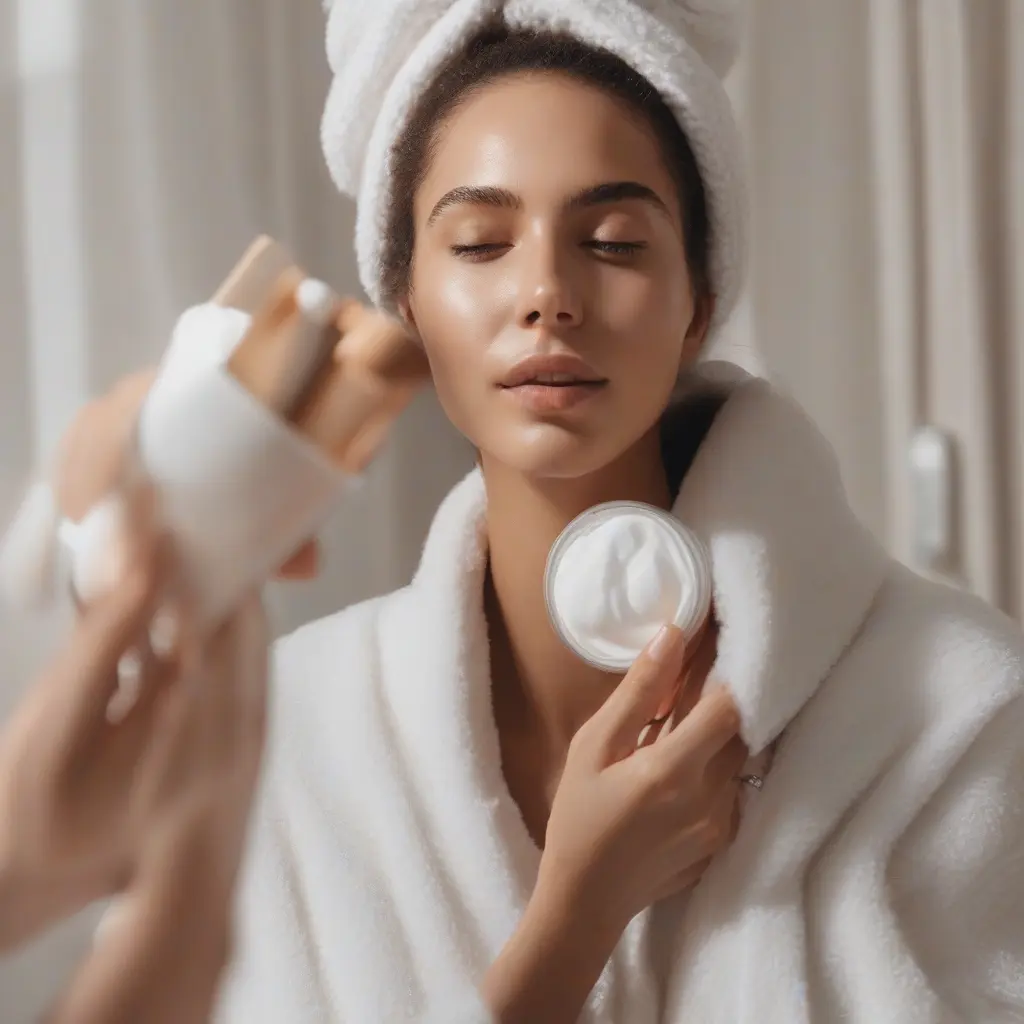

As we age, maintaining youthful skin becomes a common concern for many. Understanding the science behind anti-aging ingredients can empower consumers to make informed choices. Various ingredients claim to combat aging, but not all are created equal. In this article, we delve into the most studied and effective components that can help reduce signs of aging. From retinoids to antioxidants, we will explore how these ingredients work on a cellular level to promote healthier skin. Ultimately, knowledge can facilitate better skincare routines for lasting results.
The Role of Retinoids in Skin Rejuvenation
Retinoids, derived from vitamin A, are some of the most researched anti-aging ingredients. They promote cell turnover, which helps to diminish fine lines, wrinkles, and even skin texture. As retinoids penetrate the skin, they stimulate collagen production, boosting elasticity and firmness. Regular use can also improve pigmentation issues and acne, making retinoids a versatile choice for many. However, it’s essential to start with lower concentrations to minimize irritation, gradually increasing frequency as the skin adapts.
Antioxidants and Their Protective Benefits
Antioxidants play a crucial role in protecting the skin from environmental stressors, such as UV radiation and pollution. Ingredients like vitamin C, E, and ferulic acid neutralize free radicals, reducing oxidative stress that contributes to aging. Vitamin C, in particular, not only acts as an antioxidant but also promotes collagen synthesis, brightening the complexion. Incorporating antioxidants into your skincare routine can help maintain a youthful appearance by preventing damage and promoting repair, supporting overall skin health.
Peptides: The Building Blocks of Skin
Peptides, short chains of amino acids, are essential for various skin functions, including collagen production. They signal skin cells to perform specific tasks, like healing and repairing, which can lead to firmer, smoother skin. Research suggests that certain peptides can enhance the skin’s barrier function and reduce inflammation, contributing to a youthful appearance. Formulations containing peptides can be highly effective in skincare, especially when used consistently over time to see cumulative effects.
Hyaluronic Acid: Hydration Hero
Hyaluronic acid (HA) is a remarkable substance that retains water in the skin, providing hydration and plumpness. With its ability to hold up to 1,000 times its weight in water, HA is vital for maintaining skin elasticity and reducing the appearance of wrinkles. As we age, natural HA levels deplete, making its topical application increasingly beneficial. Using HA-rich serums or moisturizers can significantly improve skin texture and hydration levels, making the skin appear more youthful and supple.
Sun Protection: The Ultimate Anti-Aging Strategy
Sun damage is one of the leading causes of premature aging, making sunscreen an essential component of any anti-aging regimen. Using broad-spectrum SPF daily can protect the skin from UVA and UVB rays, which cause wrinkles, hyperpigmentation, and loss of elasticity. Consistent sun protection helps prevent photoaging and maintains the integrity of the skin over time. It’s crucial to apply sunscreen even on cloudy days or when indoors to ensure comprehensive protection and longevity of youthful skin.
The Impact of Lifestyle on Skin Aging
Lifestyle choices significantly influence the aging process of the skin. Factors such as diet, exercise, sleep, and stress management play a role in overall skin health. A diet rich in antioxidants, healthy fats, and hydration can support skin elasticity while regular physical activity boosts circulation, delivering essential nutrients to skin cells. Additionally, quality sleep is vital for skin repair, and managing stress can reduce the risk of inflammatory skin conditions. Understanding these connections allows individuals to foster a holistic approach to anti-aging.
The Importance of Consistency in Skincare
For anti-aging ingredients to yield visible results, consistency is key. Many active ingredients take time to show their effects, often requiring several weeks to months of regular use. Establishing a daily skincare routine can help incorporate these beneficial ingredients effectively. It’s essential to remain committed to the routine and monitor changes over time. Gradually integrating new products and giving skin time to adjust will enhance the chances of achieving the desired youthful appearance.
Consultation with Dermatologists
While numerous products offer promising results, consulting with a dermatologist can provide targeted advice tailored to individual skin types and concerns. Professionals can recommend suitable ingredients and treatments based on specific needs, ensuring a more personalized and effective approach. This connection can also help in identifying potential allergens or irritants, streamlining the path to healthier, more youthful skin. Regular check-ins with a dermatologist can maximize results and provide guidance as the skin’s needs change with age.
Conclusion
Understanding the science behind effective anti-aging ingredients can empower individuals to make informed skincare choices. From retinoids to antioxidants, several options are backed by research and show promise in reducing the visible signs of aging. By integrating a comprehensive skincare routine, prioritizing sun protection, and considering lifestyle choices, individuals can enhance their skin’s health and appearance over time. With the right knowledge and commitment, achieving a youthful, radiant complexion is possible.