

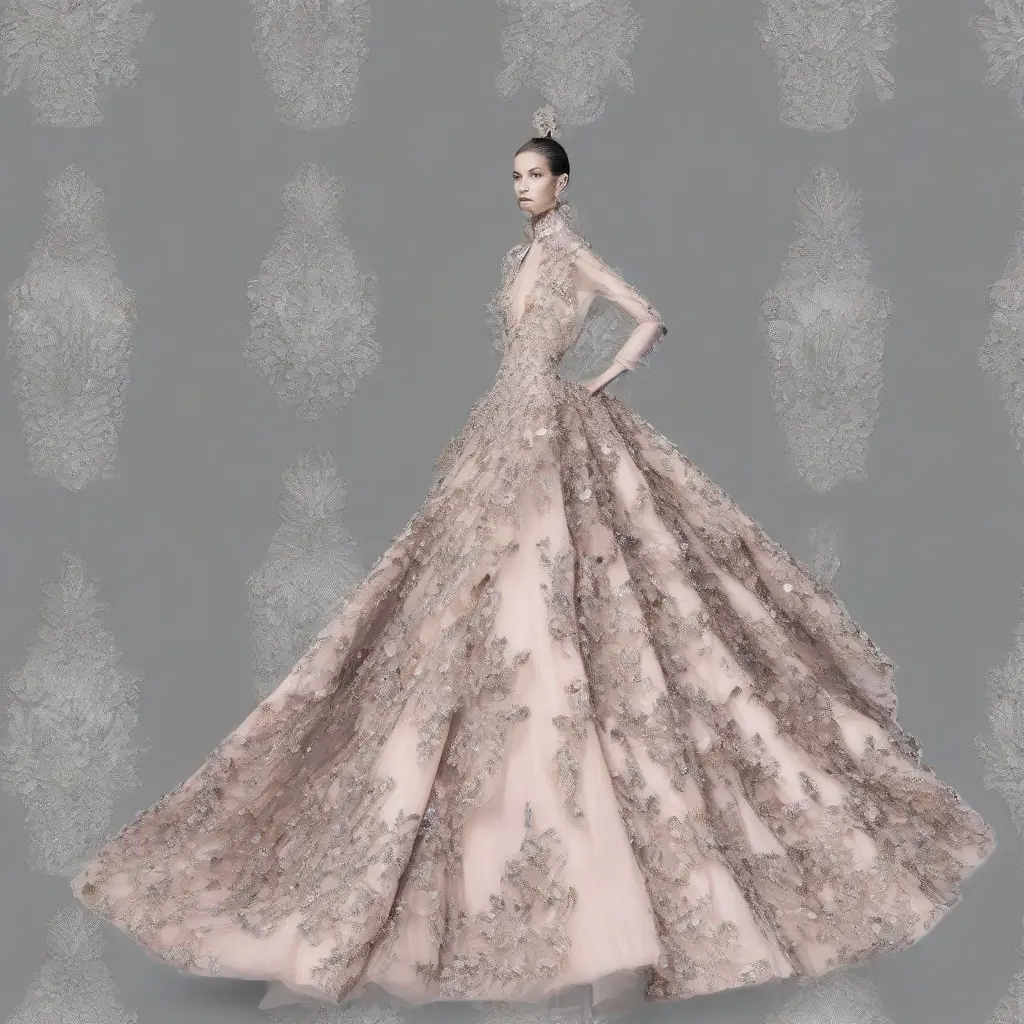
Haute couture represents the highest level of craftsmanship in fashion, embodying artistry, creativity, and exclusivity. Originating in France, this term refers not only to high-end fashion tailored specifically for individual clients but also signifies the rich history and cultural significance surrounding it. This article delves into the origins, key characteristics, and current trends of haute couture, offering a comprehensive understanding of why it remains the pinnacle of fashion design and its influence on the broader fashion industry.
The Origins of Haute Couture
The roots of haute couture trace back to the mid-19th century when English designer Charles Frederick Worth established the first haute couture house in Paris. Worth introduced the idea of exclusive fashion shows where clients could view creations firsthand. His designs were characterized by luxurious materials and intricate patterns, setting the stage for the elaborate craftsmanship that haute couture is known for today. This period marked a transformation in the fashion industry, elevating the designer’s role to that of an artist, and establishing Paris as the fashion capital of the world.
Defining Characteristics of Haute Couture
Haute couture is defined by specific criteria set by the Chambre Syndicale de la Haute Couture in Paris. To qualify, a fashion house must create made-to-measure garments for private clients, use high-quality, luxurious fabrics, and produce a minimum of 50 original designs annually. Additionally, each piece is handcrafted by skilled artisans, showcasing intricate details like embroidery, beading, and tailoring techniques. This commitment to quality and craftsmanship ensures that each garment is unique, representing unparalleled artistry in the fashion world.
The Role of Haute Couture in Fashion Weeks
Haute couture plays a crucial role in major fashion weeks, particularly in Paris, where it garners significant attention from industry insiders and the media. These exclusive fashion shows often serve as a showcase for designers to present their most innovative and artistic creations. While not directly commercial, the concepts introduced in haute couture often trickle down to ready-to-wear collections, influencing trends at all levels of fashion. Attendees, including celebrities and influencers, often set the stage for forthcoming trends, making haute couture a benchmark of creativity.
Influential Haute Couture Designers
Throughout history, several designers have left an indelible mark on haute couture, shaping its evolution. Iconic designers like Coco Chanel, Christian Dior, and Yves Saint Laurent have redefined women’s fashion, introducing innovative silhouettes, materials, and concepts. Their work transcended mere clothing, becoming symbols of empowerment and social change. Today, designers such as Jean-Paul Gaultier and Valentino continue to push boundaries, creating masterpieces that reflect contemporary culture while preserving the time-honored traditions of haute couture.
Current Trends in Haute Couture
Today’s haute couture scene reflects a blend of tradition and modernity, with many designers embracing sustainability and inclusivity. Eco-friendly materials and practices are becoming increasingly popular, as designers aim to reduce the environmental impact of fashion. Moreover, inclusivity in sizing and representation is gaining traction, as clients increasingly demand personalized experiences. This evolution not only honors the roots of haute couture but also positions it to resonate with a contemporary audience, ensuring its relevance in an ever-changing fashion landscape.
Cultural Significance of Haute Couture
Haute couture does more than just create beautiful garments; it serves as a reflection of culture and society. The designs often embody the zeitgeist, capturing the sentiments and aesthetics of the time. For instance, during economic downturns, designs may shift towards minimalism, while more vibrant designs can emerge during periods of prosperity. This dynamic interplay between haute couture and cultural context showcases how fashion can articulate complex societal themes, making it a vital part of cultural history.
The Future of Haute Couture
As the fashion industry evolves, so does haute couture. The future likely holds a greater emphasis on technology and innovation, with designers increasingly utilizing digital tools for design and marketing. Virtual fashion shows and augmented reality experiences may enhance the exclusivity of the haute couture experience. Furthermore, as societal values shift, haute couture will continue to adapt, offering not just exquisite garments but also narratives that resonate with clients on a deeper level, bridging the gap between artistry and personal expression.
Conclusion
In summary, haute couture stands as an emblem of luxury, creativity, and craftsmanship in the fashion world. Its rich history, defined characteristics, and influential designers contribute to its status as the pinnacle of fashion design. As it navigates modern challenges and embraces technological advancements, haute couture continues to inspire and shape the future of not only fashion but also cultural identity. Understanding haute couture allows us to appreciate the artistry behind the garments, the craftsmanship involved, and its lasting impact on the industry.