
Essential oils have gained significant popularity in beauty and skincare, owing to their natural properties and therapeutic benefits. Often extracted from various plants, these oils not only enhance your routine but also offer a wide array of benefits for skin health. Incorporating essential oils can elevate hydration, promote healing, and balance skin tone, making them indispensable for anyone looking to improve their skincare regimen. This article delves into the specific advantages of essential oils in beauty and how to effectively include them in your daily routine.
What Are Essential Oils?
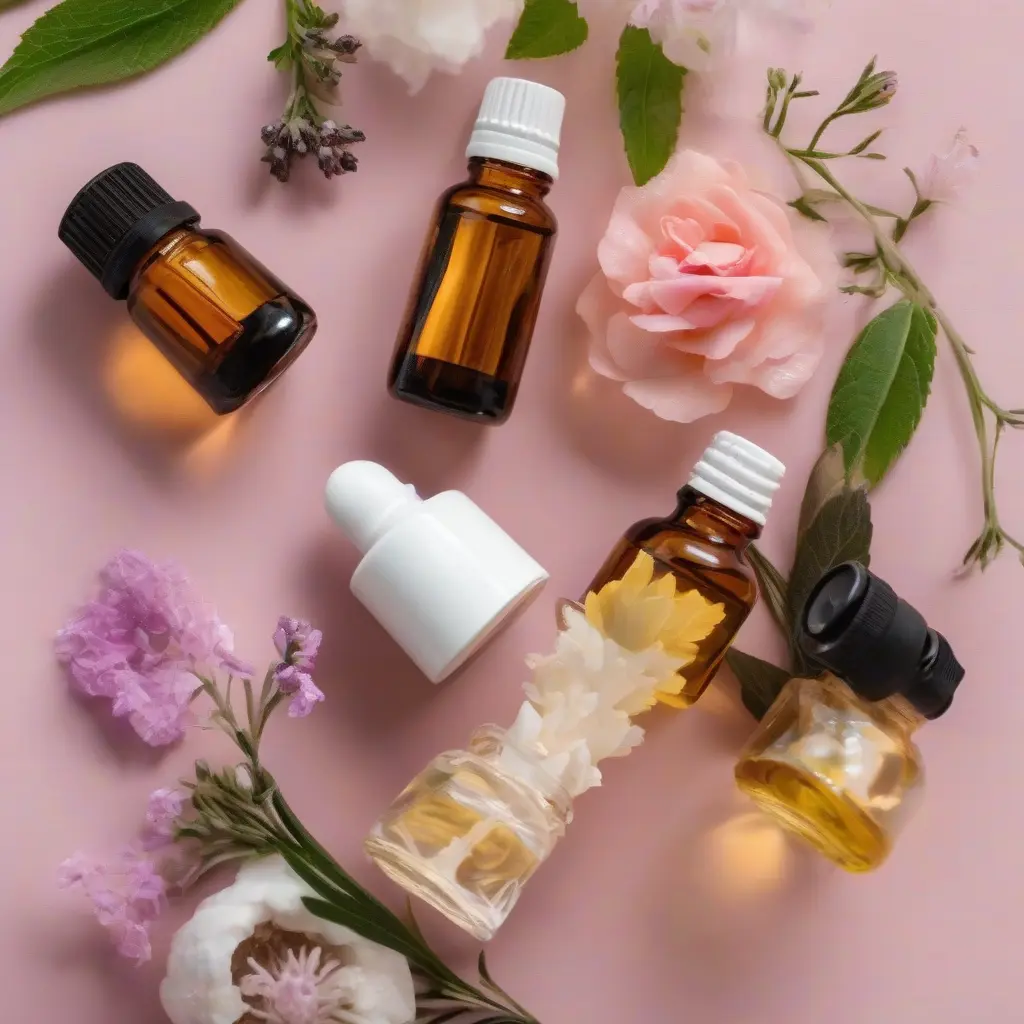
Essential oils are concentrated plant extracts that capture the natural aroma and beneficial properties of their source. Commonly derived from flowers, leaves, bark, and roots, they carry potent active compounds known for their medicinal and aromatic qualities. Used in various applications, from aromatherapy to skincare, essential oils offer a holistic approach to self-care. Their high concentration means only a few drops can have a significant impact, making them a cost-effective addition to beauty routines.
Hydration and Moisture Retention
Essential oils like rose and lavender can greatly enhance the moisturizing qualities of your skincare products. By incorporating these oils into creams or serums, you can boost hydration and improve moisture retention in your skin. This is particularly beneficial for individuals with dry or mature skin, as these oils help lock in moisture without clogging pores. By making your skin feel softer and more supple, essential oils not only improve appearance but also aid in maintaining overall skin health.
Antioxidant Properties
Many essential oils are rich in antioxidants, which are crucial for combating oxidative stress caused by free radicals. Oils such as frankincense and carrot seed oil contribute to skin rejuvenation by fighting signs of aging and promoting a youthful appearance. Antioxidants help neutralize harmful molecules that damage skin cells, thus promoting a clear and vibrant complexion. Including these oils in your routine can lead to lasting improvements in your skin’s texture and tone.
Balancing Oily Skin
For those with oily or acne-prone skin, essential oils like tea tree and geranium can work wonders. These oils possess antibacterial properties, making them effective in reducing acne-causing bacteria and calming inflammation. Additionally, tea tree oil helps regulate sebum production, preventing clogged pores and breakouts. Incorporating these essential oils into your skincare routine can help balance oil production and clear your complexion, ultimately leading to healthier skin.
Soothing Sensitivity and Inflammation
Essential oils are well-known for their calming properties, making them suitable for sensitive or irritated skin. Oils such as chamomile and peppermint can soothe skin conditions like eczema or rosacea, providing relief from discomfort and redness. Their anti-inflammatory qualities help to reduce swelling and promote healing. Including these oils in your routine not only addresses acute issues but also fosters long-term skin health by minimizing sensitivity over time.
Aromatherapy Benefits
In addition to their topical benefits, essential oils also offer significant aromatherapy advantages. Scents like lavender and bergamot can enhance your mood, reduce stress, and promote overall emotional well-being. When used in conjunction with your skincare routine, these oils can create a more enjoyable experience, turning skincare into a relaxing ritual. Inhaling these scents while applying skincare products adds a new dimension to self-care, contributing positively to both mental and physical health.
How to Incorporate Essential Oils
Integrating essential oils into your skincare regimen can be straightforward. Start by diluting a few drops of your chosen oil with a carrier oil, such as jojoba or almond oil, before applying it directly to your skin. It’s crucial to perform a patch test first to check for any allergic reactions. Essential oils can also be added to existing skincare products like moisturizers or face masks to enhance their effectiveness. With the right applicative methods, essential oils can seamlessly enrich your skincare routine.
Safety Precautions
While essential oils provide meaningful benefits, they should be used with caution. Always dilute essential oils before applying them to the skin to prevent irritation or allergic reactions. Pregnant individuals or those with specific health conditions should consult a healthcare professional before using essential oils. Additionally, selecting high-quality essential oils from reputable sources is essential for ensuring safety and effectiveness in your skincare regimen.
Choosing the Right Oils for Your Skin Type
Different essential oils serve varied skin types and concerns, making it important to choose wisely. For dry skin, oils like sandalwood and rose can provide deep hydration. On the other hand, oily skin may benefit more from oils such as tea tree or rosemary, which help to unclog pores and balance oil production. Understanding your skin type and its specific needs will guide you in selecting the right essential oils, ultimately offering targeted results.
Combining Essential Oils with Other Ingredients
Essential oils can be remarkably effective when paired with other skincare ingredients. For example, combining tea tree oil with salicylic acid can enhance acne treatment, while incorporating lavender oil into a moisturizing cream can significantly increase hydration levels. These synergistic effects can amplify benefits, making your skincare routine more powerful and dynamic. Experimenting with combinations can help you discover what works best for your unique skin needs.
Conclusion
Incorporating essential oils into your skincare routine can offer numerous benefits, from hydration to calming effects. With the right knowledge and application methods, these powerful natural extracts can enhance not only skin health but also mental well-being, enriching your overall beauty experience. As with any skincare approach, understanding your unique skin type and needs will guide you in effectively utilizing essential oils for optimal results.