
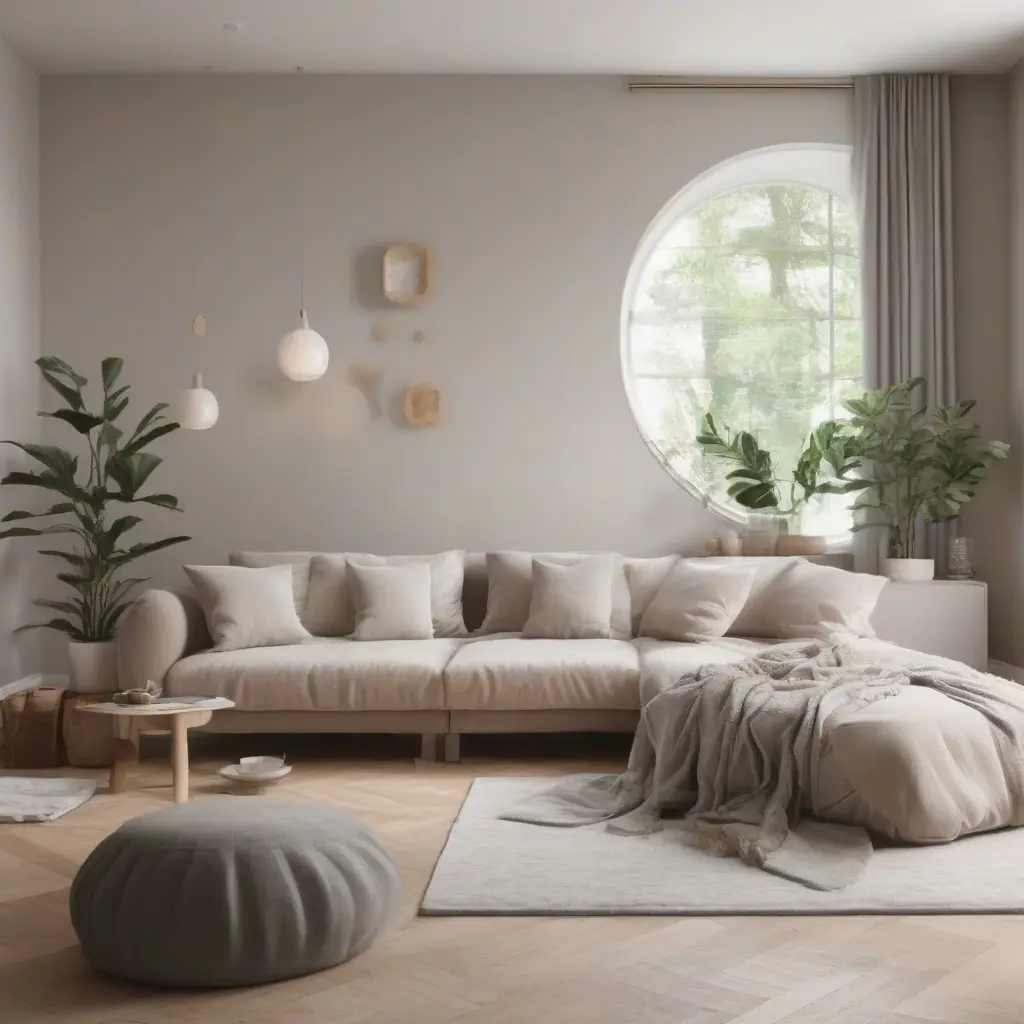
Creating a home sanctuary can significantly enhance your well-being and relaxation. A well-designed relaxation space offers a refuge from daily stressors and promotes mental clarity. By focusing on elements such as color, lighting, and personal touches, you can transform any room into a serene oasis. This article provides various tips on how to design your perfect relaxation area, ensuring it meets your personal needs while fostering a calming atmosphere.
Choose a Suitable Location
Selecting the right location for your relaxation space is essential. Ideally, this area should be away from the hustle and bustle of your home, allowing for uninterrupted peace. Look for a room with natural light, or a cozy corner in your living room where you can retreat during moments of stress. If you have outdoor space, consider creating an outdoor sanctuary where you can feel connected to nature. The chosen location should resonate with you, providing a sense of security and comfort.
Incorporate Calming Colors
Color selection plays a crucial role in crafting a peaceful environment. Soft, neutral tones such as blues, greens, and mauves can evoke a sense of tranquility and relaxation. These colors are often associated with nature, promoting a calming effect on the mind and body. While painting walls is one option, you can also incorporate calming colors through artwork, textiles, and decorative accessories. Choose hues that resonate with your personal preferences to create a space that feels uniquely yours.
Optimize Lighting for Serenity
Lighting is a key element in designing a sanctuary for relaxation. Soft, diffused lighting can significantly enhance the atmosphere by creating a warm and inviting environment. Consider using candles, fairy lights, or dimmable lamps to achieve a gentle glow that soothes the senses. Natural light should also be maximized; open curtains during the day to allow sunlight to filter in. Additionally, consider blackout curtains for evenings, which can help maintain a peaceful ambiance, especially when you want to unwind.
Select Comfortable Furniture
The furniture in your relaxation space should prioritize comfort and support. Opt for plush chairs, cozy couches, or soft cushions that invite you to settle in and relax. Consider incorporating a chaise lounge or a hammock for a laid-back vibe. Ensure that the furniture arrangement promotes a sense of flow and openness, allowing for ease of movement. Remember to keep the area uncluttered, as a simple setup will help in maintaining a serene atmosphere conducive to relaxation.
Bring Nature Indoors
Integrating natural elements into your relaxation space can have profound effects on your mental health. Indoor plants not only purify the air but also add a sense of life and vibrancy to your environment. Choose low-maintenance plants such as snake plants or peace lilies to enhance your space effortlessly. Additionally, natural materials like wood, stone, and woven textiles can be incorporated into furniture and decor, creating a harmonious connection to the outdoors.
Personalize with Meaningful Decor
Personal touches can significantly elevate the serenity of your sanctuary. Include decor items that resonate with your experiences or interests—such as photographs, art pieces, or souvenirs from travels. These elements serve as reminders of happy memories and contribute to making your space uniquely yours. However, it’s essential to strike a balance to avoid overcrowding; choose a few key items that can serve as focal points without adding clutter.
Incorporate Aromatherapy
Engaging your sense of smell can enhance relaxation significantly. Aromatherapy uses essential oils or scented candles to promote tranquility and well-being. Scents such as lavender, chamomile, and sandalwood are renowned for their calming properties. You can use diffusers, potpourri, or scented sprays to fill your space with soothing aromas. By incorporating these scents, you create a multi-sensory experience that reinforces the atmosphere of peace within your sanctuary.
Design for Mindfulness and Meditation
Creating a space for mindfulness and meditation can amplify the calming effects of your sanctuary. Whether it’s through a small corner dedicated to meditation or a yoga mat laid out on the floor, having a designated area encourages you to engage in these practices. Consider including items such as cushions or a meditation bench, which enhance comfort. Practicing mindfulness in this serene setting can improve mental clarity and emotional well-being.
Limit Noise Distractions
Noise can significantly hinder your relaxation efforts, making it vital to minimize distractions in your sanctuary. Consider soundproofing techniques if possible, such as heavy drapes or rugs that absorb sound. Furthermore, incorporating calming background noise, like water features or soft music, can create a more inviting ambiance. Using white noise machines may also help mask any disruptive sounds from outside, enhancing your overall relaxation experience.
Create an Organized Layout
An organized layout contributes to a feeling of peace and clarity in your relaxation space. Utilize storage solutions like baskets, shelves, or bins to declutter and keep your area tidy. Arranging furniture in a way that promotes accessibility and flow ensures that you can easily navigate the space. This simplicity not only makes the area more functional but also contributes to a more calming environment, allowing you to focus solely on relaxation.
Embrace Technology Wisely
While technology can often contribute to stress, embracing it wisely can enhance your relaxation experience. Incorporate elements such as sound machines or apps that facilitate guided meditation. Consider using smart lighting systems that adjust according to your needs, creating varying atmospheres for different activities. Be mindful of the devices you introduce; keeping technology to a minimum can prevent distractions and maintain focus on your personal sanctuary.
Conclusion
Creating a home sanctuary is a deeply personal journey that fosters relaxation and well-being. By thoughtfully considering elements such as location, decor, and sensory features, you can design a space that uniquely suits your needs. Remember to prioritize comfort and personal significance to make it truly yours. By investing time and effort into this endeavor, you can cultivate an environment that promotes relaxation, mindfulness, and rejuvenation.