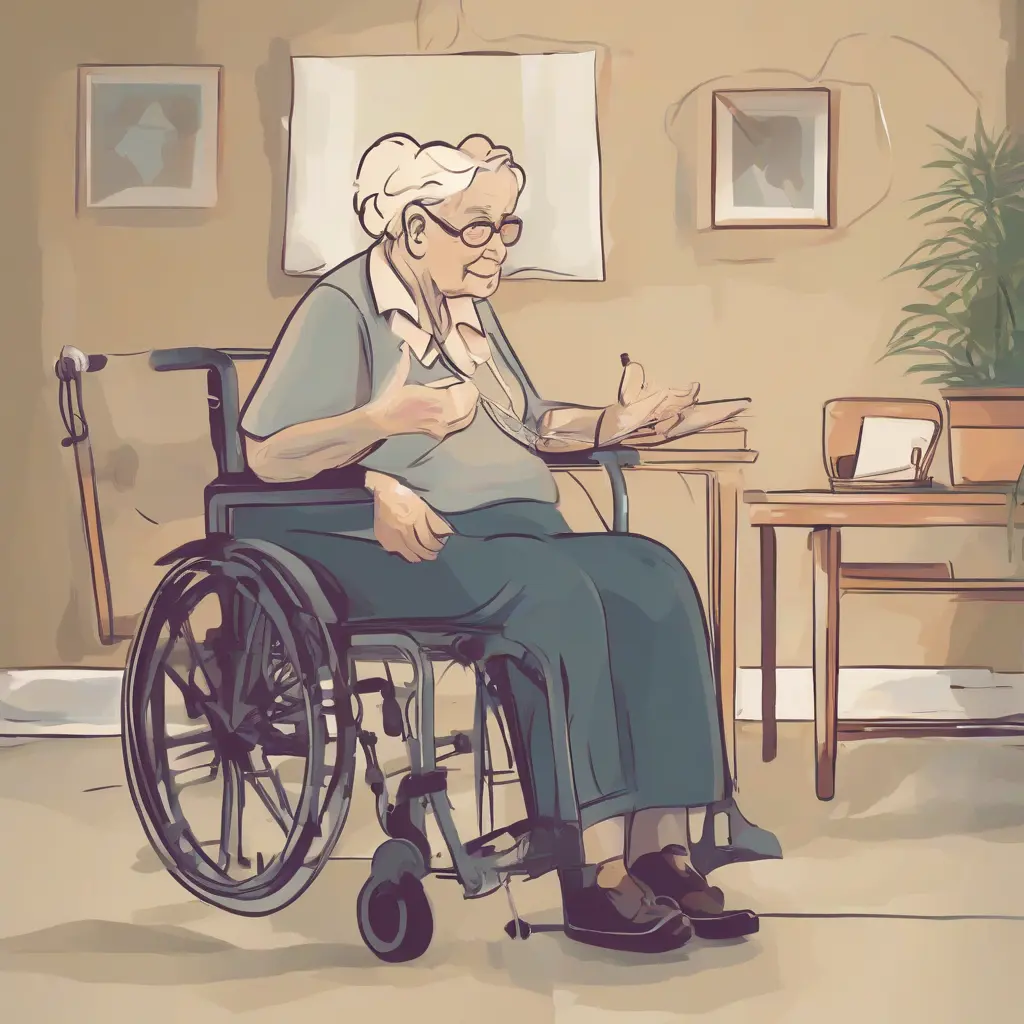


Caregiver burnout is a state of physical, emotional, and mental exhaustion that can affect those responsible for caring for others. It often arises from prolonged stress and demands related to caregiving, leading to a feeling of being overwhelmed and unable to cope. Recognizing the signs of burnout is crucial for caregivers, as timely interventions can prevent long-term health effects. This article explores common indicators of caregiver burnout and practical solutions to restore balance and well-being.
Understanding Caregiver Burnout
Caregiver burnout is more than just fatigue; it encompasses emotional, physical, and mental exhaustion that often results from the continuous stress of caregiving. Caregivers frequently prioritize the needs of those they are caring for over their own health and well-being, which leads to feelings of helplessness or a reduced sense of accomplishment. By understanding the multidimensional nature of caregiver burnout, caregivers can be better equipped to recognize its symptoms and seek necessary help.
Common Signs of Caregiver Burnout
Identifying the signs of caregiver burnout is essential for timely intervention. Common signs include persistent fatigue, sleep disturbances, emotional detachment, feelings of hopelessness, and difficulty concentrating. Physical symptoms may include headaches, stomach issues, and changes in appetite or weight. Caregivers might also feel frustrated or overwhelmed by their responsibilities, which can lead to further isolation and negativity, making it important to notice these early warning signs.
Emotional Symptoms of Caregiver Burnout
Emotional symptoms often play a significant role in caregiver burnout and may manifest as increased anxiety, irritability, or feelings of guilt. Caregivers might experience a lack of emotional satisfaction or connection to the person they are caring for, which can lead to a sense of failure or inadequacy. Recognizing these emotional symptoms can help caregivers understand their feelings better and take proactive steps towards regaining emotional wellness.
Physical Symptoms of Caregiver Burnout
Physical symptoms of caregiver burnout are equally important to recognize, as they can have lasting impacts on health. Common physical manifestations include chronic fatigue, headaches, muscle tension, and various gastrointestinal issues. These symptoms can further exacerbate mental and emotional strains, creating a vicious cycle. Addressing physical health through self-care, regular check-ups, and stress management techniques can significantly reduce these symptoms.
Coping Strategies for Caregivers
Coping strategies play a vital role in managing caregiver burnout. Fundamentally, setting boundaries is essential; caregivers should learn to say no and prioritize their self-care needs. Engaging in regular physical activity, maintaining a healthy diet, and ensuring adequate rest can help rejuvenate the body and mind. Additionally, finding time for hobbies and social connections can restore a sense of normalcy and joy, reducing feelings of isolation.
Seeking Professional Help
It is important for caregivers to know when to seek professional help. A counselor or therapist can provide valuable support and coping strategies tailored to the caregiver’s unique situation. They may offer cognitive behavioral therapy, relaxation techniques, or other interventions to help manage stress. Moreover, joining support groups can foster connections with others who understand similar experiences, enhancing emotional resilience and offering encouragement.
Building a Support Network
Building a strong support network is crucial for caregivers combating burnout. Friends, family, and community organizations can provide assistance and relief, whether through practical help or emotional support. Caregivers can benefit from sharing their experiences with reliable individuals who can offer understanding or advice. Making time to nurture these relationships can help alleviate feelings of isolation and provide a safety net to lean on during challenging times.
Time Management Techniques
Effective time management techniques can be transformative for caregivers experiencing burnout. Prioritizing tasks and breaking them into manageable steps can lessen feelings of being overwhelmed. Utilizing tools like to-do lists, calendars, and reminders can help caregivers stay organized and focused. Additionally, delegating responsibilities when possible allows caregivers to share their burdens, reducing stress and providing them crucial time for self-care.
The Role of Resilience in Caregiving
Resilience is a vital quality that helps caregivers navigate challenges while minimizing burnout. Building resilience involves cultivating a positive mindset, practicing self-compassion, and maintaining a focus on personal strengths. Mindfulness practices, such as meditation or yoga, can enhance emotional resilience and provide caregivers with tools to manage stress. By fostering resilience, caregivers not only improve their own well-being but also strengthen their ability to care for others.
Long-Term Care Strategies
Engaging in long-term care strategies can mitigate the risks of caregiver burnout. This can include establishing regular breaks to recharge, involving additional help, or utilizing respite care services. Scheduling time for personal activities and ensuring regular health check-ups are also essential proactive measures. By committing to long-term strategies, caregivers can ensure sustained well-being, allowing them to give high-quality care without sacrificing their health.
Conclusion
Recognizing and addressing caregiver burnout is vital for the health of both caregivers and those they care for. By identifying signs and implementing coping strategies, caregivers can reclaim their well-being. Support networks, professional help, and time management techniques can empower caregivers to thrive in their roles, ultimately leading to a healthier and more balanced caregiving experience.