

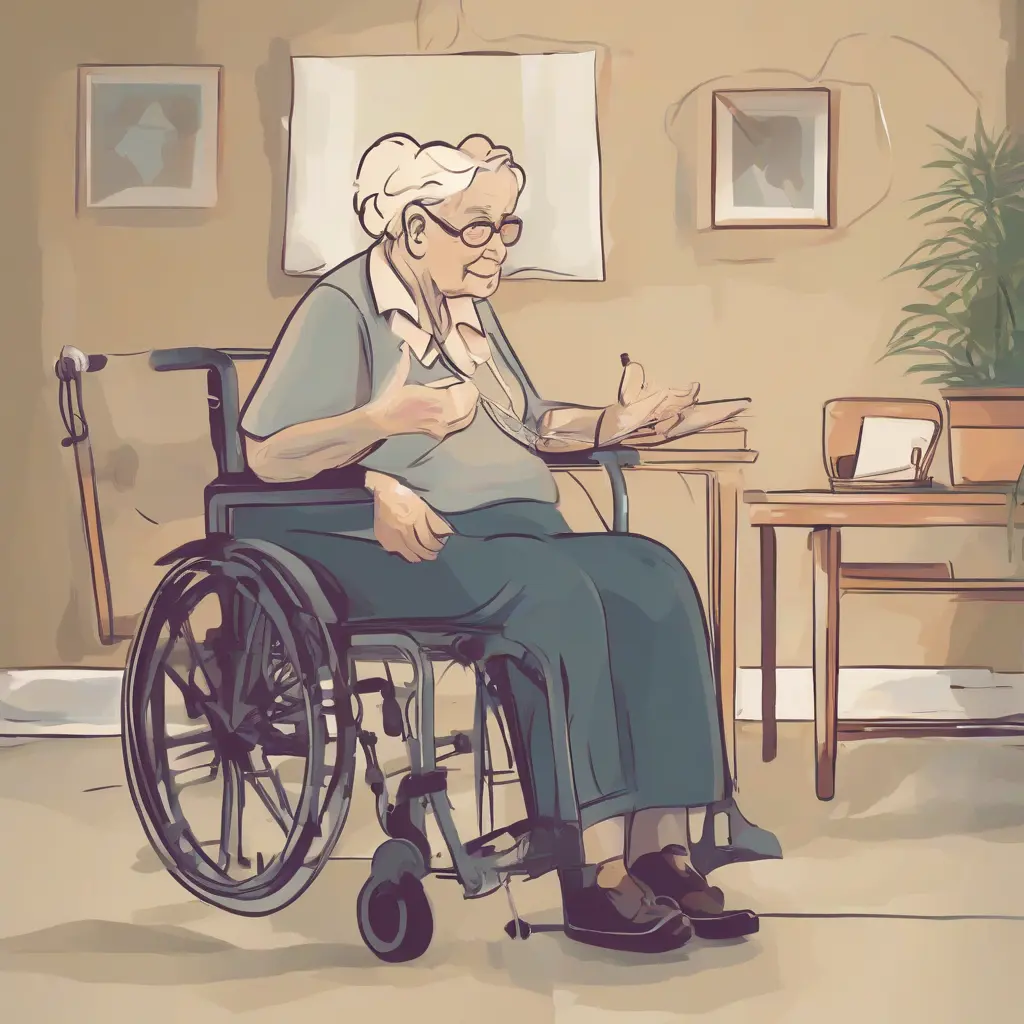
Long-distance caregiving can be a daunting yet rewarding experience. Many families find themselves in situations where loved ones require care despite living miles apart. The complexities of managing healthcare, coordinating services, and ensuring emotional well-being necessitate a well-organized approach. This article aims to provide practical tips and strategies for caregivers to navigate these challenges successfully. By understanding the needs of the person receiving care and leveraging available resources, caregivers can create a support system that fulfills both their loved one’s needs and their own.
Understanding Long-Distance Caregiving
Long-distance caregiving involves providing support and assistance to a loved one from a distance, often due to geographical separation. This situation is increasingly common as families become more mobile, and aging populations require more care. Understandably, caregivers may feel overwhelmed, as they must balance their own responsibilities while ensuring their loved ones receive adequate care. It’s crucial for caregivers to recognize that being physically distant doesn’t inhibit the ability to be involved. By utilizing technology and communication tools, caregivers can stay connected and engaged, ultimately improving the quality of care.
Identifying Needs and Priorities
To provide effective long-distance care, it’s essential to identify the specific needs and priorities of the individual receiving care. Begin by conducting a thorough assessment of their physical, emotional, and social needs. This assessment will help to clarify which services or support mechanisms are crucial. In many cases, needs may encompass medical assistance, daily living activities, and emotional support. By prioritizing these areas, caregivers can streamline their efforts and allocate resources more effectively. Open communication with the care recipient can offer valuable insights into their preferences and challenges.
Leveraging Technology for Communication
Technology plays a pivotal role in bridging the distance in long-distance caregiving. Video calls, instant messaging, and dedicated caregiving apps can facilitate regular check-ins and enhance emotional connections. Video conferencing tools like Zoom or Skype allow caregivers to visually assess the well-being of their loved ones. Additionally, apps designed for shared care plans can help coordinate medical appointments, medication schedules, and daily check-ins. Utilizing these digital tools can help ensure that caregivers remain actively involved in their loved one’s care while minimizing feelings of isolation or disconnection.
Building a Local Support Network
Establishing a local support network is crucial for long-distance caregivers. This network can include family members, friends, and community resources who live nearby the care recipient. Identifying trustworthy individuals willing to assist in providing care, running errands, or offering companionship can significantly alleviate the caregiver’s burden. Additionally, connecting with local healthcare providers and support organizations can provide valuable resources and guidance. By building a strong support network, caregivers can ensure that their loved ones receive comprehensive assistance, thereby enabling them to focus on coordination and oversight from afar.
Organizing Medical and Care Plans
Creating a clear medical and care plan is essential for effective long-distance caregiving. Begin by gathering crucial medical information, including diagnoses, medications, and healthcare providers. Compile a list of emergency contacts and local medical facilities as well. This organized approach allows caregivers to respond promptly to any health concerns. Consider utilizing technology like cloud storage for easy access to these documents from anywhere. Having comprehensive information readily available ensures that caregivers can make informed decisions and communicate effectively with healthcare professionals, thus enhancing the overall quality of care.
Establishing Regular Check-Ins
Consistency is key in long-distance caregiving, and establishing regular check-ins is crucial. Set up a schedule for routine phone calls or video chats to stay updated on your loved one’s well-being. These interactions not only help in monitoring their health but also provide emotional support. Encourage open communication about their feelings and concerns. It’s beneficial for caregivers to actively listen and validate these experiences. Regular check-ins can strengthen relationships, alleviate anxiety for both parties, and foster a sense of connectedness despite the physical distance.
Encouraging Independence
Encouraging independence is vital for the well-being of long-distance care recipients. While support is essential, promoting autonomy can lead to a better quality of life. Identify daily tasks that your loved one can perform with minimal assistance and encourage them to participate actively in their care decisions. This might involve adapting their living environment to make it safer or more accessible. Providing resources and information can also empower them to manage their health proactively. Enhancing their sense of independence may lead to increased satisfaction and reduced feelings of helplessness.
Managing Caregiver Stress
The emotional toll of long-distance caregiving can be significant. Caregivers often experience stress, anxiety, and guilt, making it essential to prioritize self-care. Recognizing your own needs is critical for maintaining a healthy balance between personal life and caregiving responsibilities. Implement strategies such as regular exercise, mindfulness practices, and social engagement. Consider seeking support from local caregiver groups or online forums where experiences can be shared. Acknowledge that self-care isn’t selfish; it’s vital for sustaining your ability to provide care and support to your loved one effectively.
Accessing Professional Help
When the responsibilities of caregiving become overwhelming, accessing professional help is a wise decision. This might include hiring home health aides to assist with personal care or consulting social workers for guidance on navigating resources. Additionally, adult day programs can offer social interaction and structured activities for your loved one while allowing family caregivers much-needed respite. Researching available services in your loved one’s area can alleviate some of the caregiver’s burden and ensure a higher level of care. Professional assistance can also provide caregivers with valuable advice and support.
Staying Informed About Care Options
Caregiving landscapes are constantly evolving, with new resources and options emerging regularly. Keeping abreast of the latest developments in healthcare and support services is fundamental to effective long-distance caregiving. Subscribing to newsletters, joining caregiving forums, and attending community meetings can provide valuable insights. This proactive approach ensures that caregivers are well-informed about available assistance, technology, and best practices. Being knowledgeable about care options also empowers caregivers to advocate for their loved ones, ensuring they receive the best possible care tailored to their needs.
Conclusion
Navigating the challenges of long-distance caregiving requires commitment and strategic planning. By understanding the needs of your loved one, leveraging technology, and building a support network, caregivers can effectively manage these complexities. Regular communication, encouraging independence, and accessing professional help further enhance the caregiving experience. Prioritizing both your loved one’s well-being and your own self-care will ultimately lead to a more fulfilling and manageable caregiving journey.