
Creating a fall prevention plan for seniors is crucial to ensuring their safety and maintaining their independence. Falls are a leading cause of injury among older adults, often resulting in significant health issues or loss of mobility. Implementing effective home modifications combined with practical safety tips can greatly reduce the risk of falls. This article explores vital adjustments, strategies, and tools that can be employed to create a safer living environment for seniors, thus fostering a sense of security and confidence in their daily routines.
Understanding the Risks of Falls in Seniors
Falls can pose serious risks for seniors, leading to injury and a decline in overall health. Age-related factors such as reduced mobility, impaired vision, and medications can increase the likelihood of falls. Furthermore, environmental hazards within the home, such as cluttered areas or poor lighting, contribute significantly to fall incidents. Understanding these risks is vital in developing a comprehensive fall prevention plan tailored to the unique needs of older adults.
Essential Home Modifications for Fall Prevention
Implementing essential home modifications can significantly minimize fall risks for seniors. Simple changes, such as installing grab bars in bathrooms and handrails on staircases, provide much-needed support. Additionally, ensuring that all living areas are well-lit and free of obstacles can enhance visibility and safety. Installing non-slip mats in bathrooms and kitchens also aids in preventing slips, contributing to a safer home environment.
Improving Lighting to Enhance Safety
Improving lighting throughout the home plays a crucial role in fall prevention for seniors. Adequate lighting helps older adults see and navigate their environment more easily. Key areas to focus on include hallways, staircases, and entrances. Utilizing brighter bulbs and installing motion-activated lights can illuminate dark areas without requiring seniors to navigate switches. Additionally, ensuring that light fixtures are positioned to minimize shadows can further enhance safety.
Decluttering Living Spaces
Decluttering living spaces is another vital step in preventing falls among seniors. Removing unnecessary furniture, loose rugs, and other obstacles can simplify navigation through the home. Ensuring that walkways are clear and that frequently used items are within reach helps reduce the chances of tripping. It’s also beneficial to encourage seniors to adopt organizational systems that promote tidiness, thereby creating a safer living environment.
Using Assistive Devices for Mobility Support
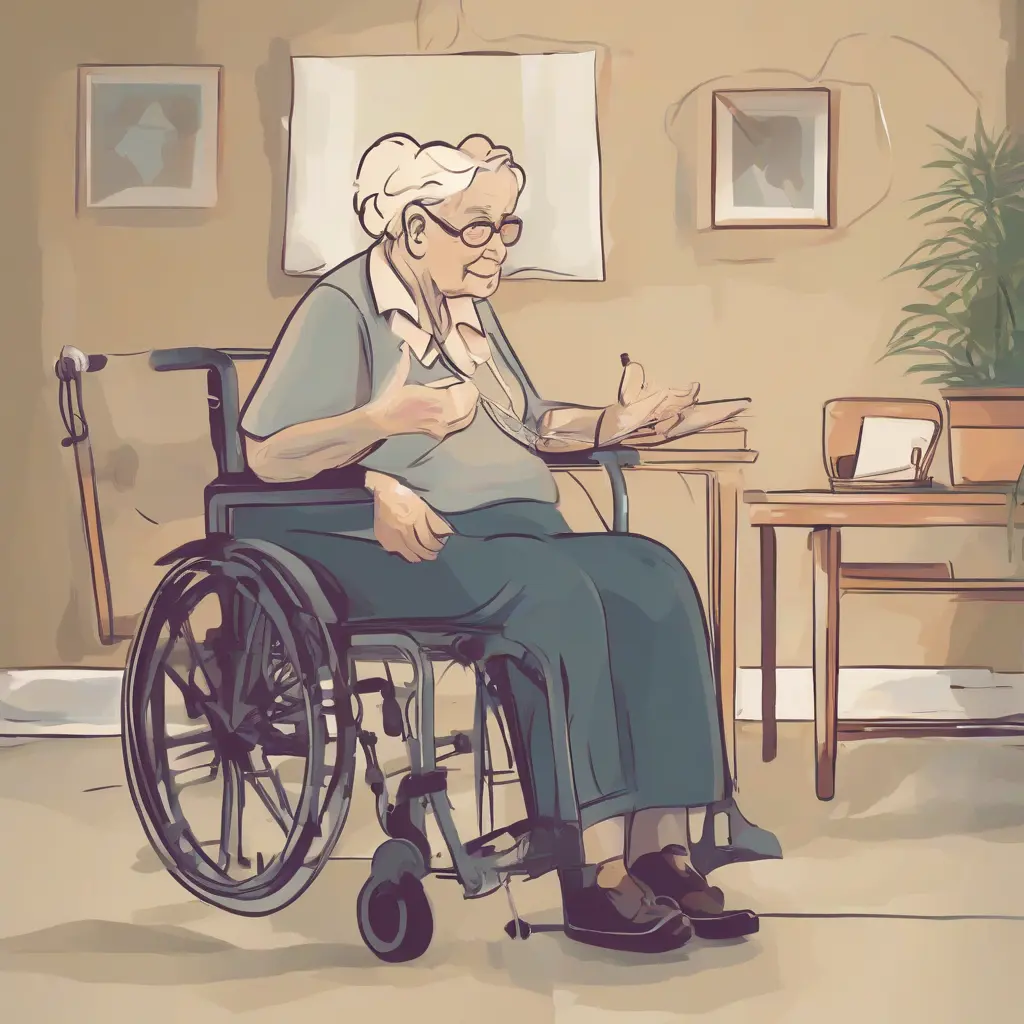
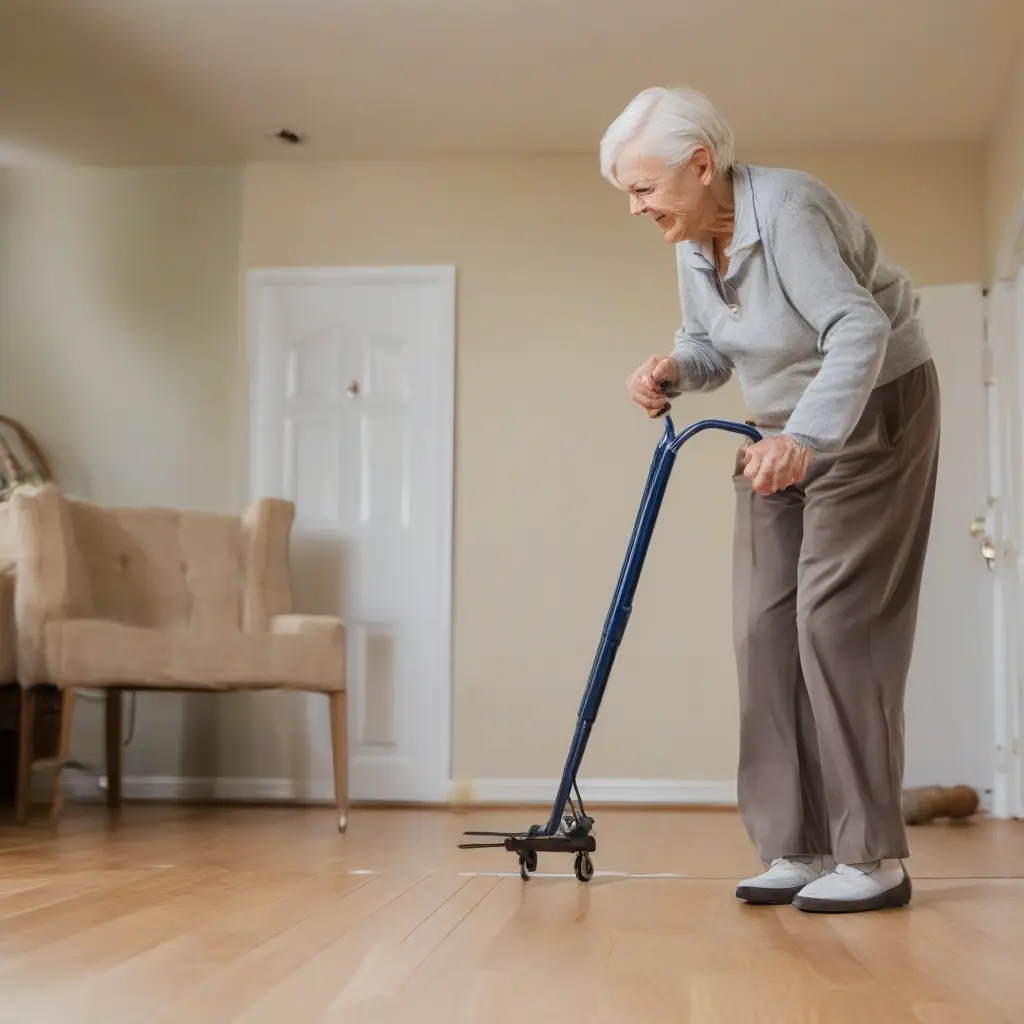
Assistive devices can greatly enhance mobility and safety for seniors, minimizing fall risks. Walkers, canes, and rollators provide essential support and stability while moving around the home or outside. Additionally, using raised toilet seats and shower chairs can aid in reducing strain and enhancing safety in bathrooms. Assessing individual needs allows caregivers to select the most appropriate devices, promoting confidence and independence for older adults.
Developing a Personal Safety Plan
Creating a personal safety plan tailored to a senior’s needs is essential for fall prevention. This plan may include emergency contacts, a medication schedule, and specific exercises aimed at improving strength and balance. Engaging family members in the discussion ensures that everyone is aware of the plan and can provide support. Regularly reviewing and updating this plan as the senior’s circumstances change reinforces its effectiveness and maintains safety.
Educating Seniors on Fall Prevention
It is vital to educate seniors on fall prevention strategies, empowering them to take proactive steps towards their safety. Discussions about identifying hazards, using assistive devices correctly, and practicing balance exercises can increase awareness. Instructing seniors on how to fall safely, such as rolling to avoid injury, can also be beneficial. Providing resources and workshops on fall prevention further promotes understanding and encourages seniors to engage in their safety.
Employing Technology for Safety Monitoring
Utilizing technology can enhance safety monitoring for seniors, allowing for quicker response times in case of falls. Devices such as personal emergency response systems (PERS) enable seniors to alert others if they need help. Motion sensors and cameras can also be used to monitor activity, alerting caregivers if someone has fallen or has been inactive for an extended period. Integrating technology into the home environment can significantly improve safety and provide peace of mind for both seniors and their families.
Creating a Support Network
Building a support network is essential for fall prevention among seniors. Involving family, friends, and community resources can provide valuable assistance and encouragement. Regular check-ins can help ensure that seniors feel supported and engaged with their environment. Local organizations may offer resources, classes, and assistance, empowering seniors to remain socially active and less isolated, which can positively impact their overall health and safety.
Regular Health Check-Ups
Regular health check-ups are vital for seniors to minimize fall risks. Routine assessments help identify vision or hearing changes that could increase the likelihood of falls. Moreover, reviewing medications with healthcare providers can address potential side effects that affect balance or coordination. Encouraging seniors to prioritize their health and seek prompt medical advice can significantly contribute to their overall safety and well-being.
Conclusion
Incorporating well-planned home modifications and practical strategies into a fall prevention plan is essential for safeguarding seniors. Addressing risks, improving safety features, and engaging a support network ensures that older adults can lead independent lives with reduced fall risks. By taking these proactive steps, caregivers and seniors alike can create a secure living environment, making safety a priority as they navigate the challenges of aging.