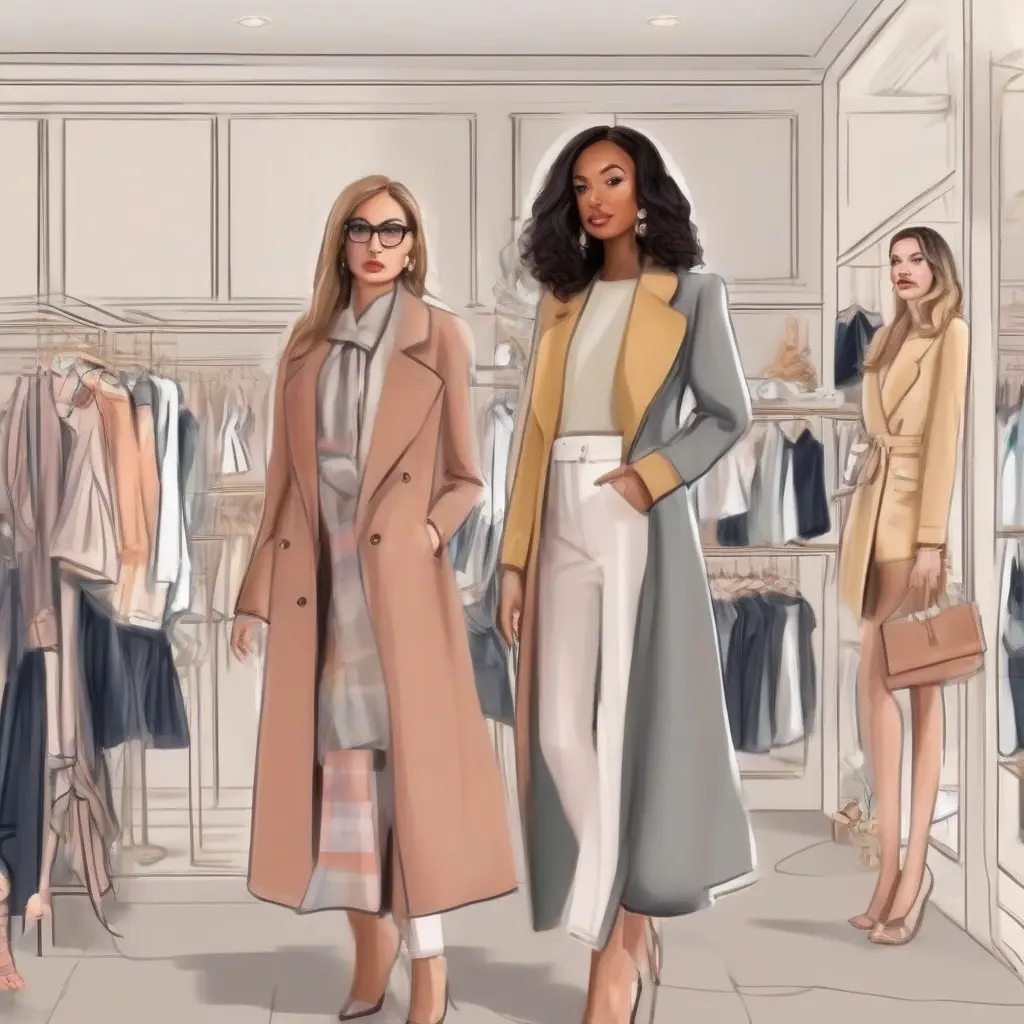

Fashion licensing has emerged as a significant mechanism through which brands collaborate on exciting collections, combining creativity and business acumen. By allowing established brands to utilize their trademarks, designs, or concepts, this practice facilitates synergies that enhance product offerings and broaden market appeal. The result is a collaborative environment where brands can innovate and reach new audiences. In a competitive fashion landscape, understanding the nuances of fashion licensing unveils how brands not only coexist but also create compelling narratives through joint collections.
What is Fashion Licensing?
Fashion licensing is a contractual agreement where one brand, the licensor, permits another brand, the licensee, to use its intellectual property. This process allows the licensee to create products that carry the licensor’s brand name or design elements. In fashion, these licenses often pertain to clothing, accessories, and footwear. The licensor typically receives a royalty fee based on sales, while the licensee benefits from aligning with a well-known brand, thus gaining instant credibility and consumer trust.
The Benefits of Fashion Licensing
Fashion licensing provides numerous advantages for both licensors and licensees. For licensors, it allows brands to extend their reach without the need for heavy investment in manufacturing or distribution. They can enter new markets, diversify their product lines, and generate additional revenue through royalties. Licensees, on the other hand, gain access to established brands, which can enhance their market position and attract a loyal customer base. This symbiotic relationship fuels creativity, leading to innovative products that may not have been possible independently.
Types of Fashion Licensing Agreements
There are various types of fashion licensing agreements, each catering to specific needs and goals. Exclusive licenses grant the licensee the sole right to produce items within a certain category or region, providing competitive advantages. Non-exclusive licenses allow multiple brands to create similar products, which can expand brand visibility. Furthermore, sublicensing permits licensees to grant rights to third parties, creating a broader network of products and potentially tapping into new audiences.
Key Players in Fashion Licensing
Several key players operate in the fashion licensing landscape, including designers, manufacturers, retailers, and licensing specialists. Designers often initiate the process by developing unique concepts that are commercially viable. Manufacturers collaborate with designers to produce the items, while retailers are responsible for bringing the collections to market. Licensing specialists help negotiate agreements and ensure compliance. Together, these players create a cooperative ecosystem that fosters innovation and growth within the fashion industry.
Challenges of Fashion Licensing
Despite its many benefits, fashion licensing also presents challenges. Maintaining brand integrity can be difficult, especially if the licensee does not adhere to the quality or image standards of the licensor. This inconsistency can dilute brand value and confuse consumers. Moreover, licensors must carefully select partners to ensure alignment with their brand ethos, balancing profitability with the importance of maintaining an authentic brand narrative in the marketplace.
Successful Examples of Fashion Licensing
There are numerous successful examples of fashion licensing that illustrate the potential for collaboration. One notable instance is the collaboration between high-end designer brands and mainstream retailers, such as Target’s partnerships with designers like Lilly Pulitzer. These collaborations allow luxury brands to reach a wider audience while providing affordable options for consumers. Similarly, sports brands like Nike and Adidas frequently license their designs for apparel and merchandise, enhancing their market presence significantly.
The Role of Social Media in Fashion Licensing
Social media has become a pivotal tool in the realm of fashion licensing, fostering community engagement and brand visibility. Brands can leverage platforms such as Instagram, TikTok, and Pinterest to promote their licensed products, engage with consumers, and generate buzz around upcoming collaborations. The visually driven nature of social media perfectly aligns with fashion marketing, enhancing the reach and impact of licensed collections. This digital platform enables brands to interact directly with their audience, shaping perceptions and driving sales.
Future Trends in Fashion Licensing
The future of fashion licensing is poised for transformation as brands increasingly prioritize sustainability and ethical production practices. As consumers demand transparency and social responsibility, licensing agreements must adapt to reflect these values. Furthermore, digital advancements, including augmented and virtual reality, offer new avenues for licensed collaborations, enabling immersive consumer experiences. The blending of online and offline spaces will drive innovation, encouraging brands to explore uncharted territories in their partnerships.
Conclusion
In conclusion, fashion licensing is a dynamic and essential component of the fashion industry, facilitating collaboration between brands and expanding their collective reach. By understanding the intricacies of licensing agreements, benefits, and challenges, brands can better navigate this landscape to create compelling, innovative collections. As consumer preferences evolve and new technologies emerge, the future of fashion licensing promises to be rich with opportunities for collaboration and growth.