

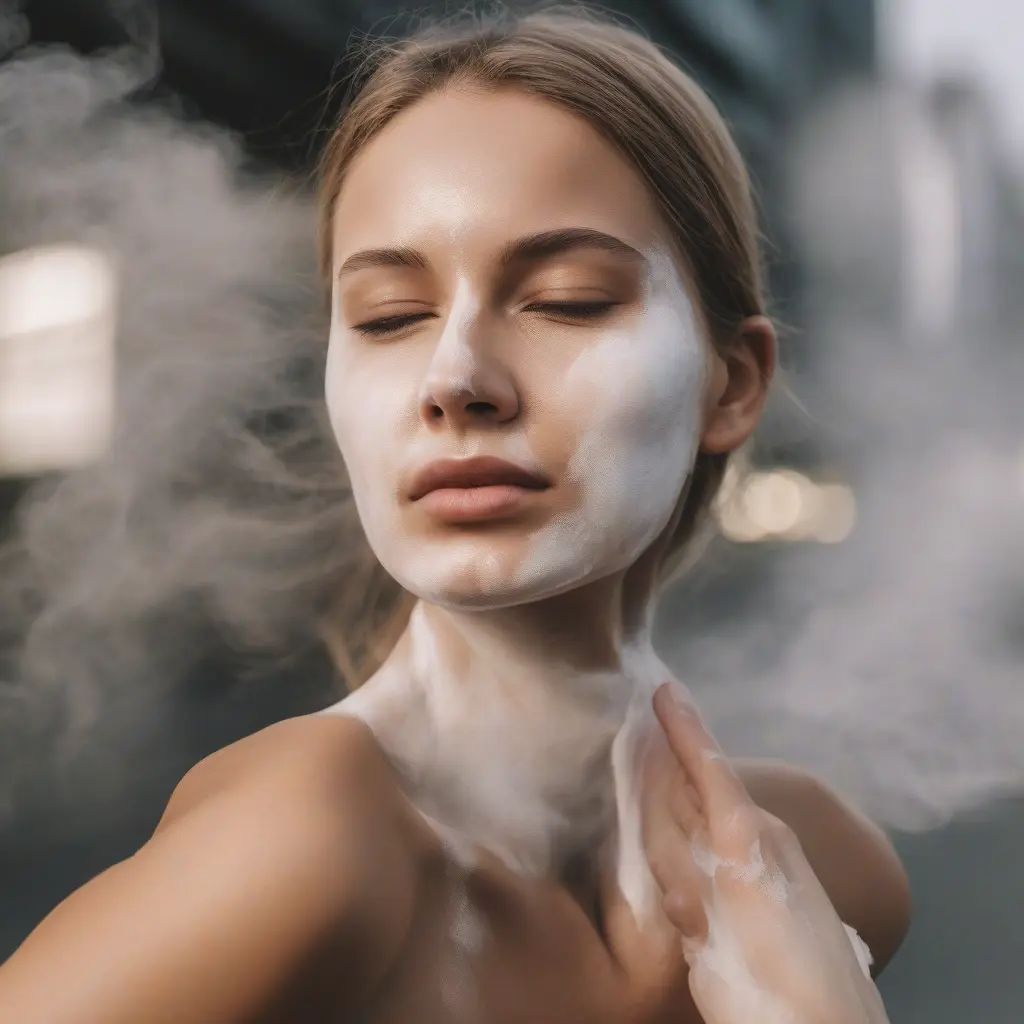
Pollution is not just a global concern; it significantly impacts personal health, particularly skin health. As urbanization escalates, exposure to pollutants like particulate matter, smoke, and toxins has become increasingly common. These environmental factors can lead to a range of skin issues, including premature aging, acne, and increased sensitivity. Understanding the connection between pollution and skin health is essential for developing effective protective measures. This article explores the effects of pollution on the skin and offers practical tips to maintain a healthy complexion amid environmental stressors.
Understanding Pollution’s Effects on Skin
Pollution comprises various harmful substances that can infiltrate the skin barrier, leading to adverse reactions. For instance, particulate matter can cause inflammation and oxidative stress, contributing to skin aging and a dull appearance. Additionally, chemical pollutants can disrupt the skin’s natural moisture balance, exacerbating dryness and irritation. Accumulated exposure may heighten sensitivities, resulting in conditions such as eczema or allergic reactions. With the skin being the body’s largest organ, it is vital to recognize pollution’s pervasive impact on its health.
Types of Pollutants Affecting Skin Health
Different types of pollutants pose unique threats to skin health. For example, particulate matter from vehicle emissions and construction sites can penetrate deeply into the pores, leading to blemishes and exacerbated acne. Chemical pollutants, including heavy metals and volatile organic compounds (VOCs), can trigger skin irritation and allergic responses. Furthermore, ultraviolet (UV) radiation from sunlight can compound these effects, leading to photoaging and skin cancer risks. Understanding these pollutants’ distinct characteristics highlights the importance of proactive skin care measures.
The Connection Between Pollution and Skin Aging
Research indicates a strong link between pollution exposure and accelerated skin aging. Pollutants generate free radicals that damage collagen and elastin fibers, leading to a loss of skin elasticity and firmness. Additionally, environmental stressors can precipitate a decrease in the skin’s natural lipid barrier, resulting in moisture loss and fine lines. The cumulative effect may manifest as wrinkles, sagging, and age spots, diminishing the skin’s youthful appearance. As such, protective measures are essential to slow the aging process caused by environmental factors.
Identifying Skin Conditions Caused by Pollution
Pollution can exacerbate or trigger a variety of skin conditions, including acne, rosacea, and dermatitis. Acne can worsen as pollutants clog pores, while rosacea symptoms may flare due to inflammatory responses induced by chemicals in the environment. Additionally, the skin may become more prone to dryness and irritation, especially in individuals with compromised skin barriers. Understanding these conditions and their links to environmental factors is crucial for effective prevention and treatment strategies.
Daily Skin Care Routines to Combat Pollution
Implementing a daily skincare routine that focuses on cleansing and protection is essential for combating pollution’s effects. A gentle yet effective cleanser removes dirt and pollutants from the skin’s surface, while antioxidants in serums can neutralize free radicals. Moisturizers designed with barrier-repair ingredients can enhance the skin’s defense against environmental aggressors. Additionally, using sunscreen protects against UV damage, which can compound the negative effects of pollution. Consistency in these practices is crucial for maintaining skin health.
Protective Ingredients for Your Skin
Selecting skincare products with protective ingredients can significantly boost skin resilience against pollution. Antioxidants like vitamin C and E can help neutralize free radicals while soothing ingredients like hyaluronic acid retain moisture. Moreover, niacinamide plays a key role in strengthening the skin barrier, reducing inflammation, and improving overall texture. Natural oils, such as jojoba or almond oil, can create a protective layer, further shielding the skin from external aggressors. Integrating these ingredients into your routine promotes healthier skin.
Lifestyle Changes to Minimize Pollution Exposure
In addition to skincare, adopting lifestyle changes can minimize overall pollution exposure. Staying indoors during peak pollution hours and using air purifiers can significantly reduce the amount of harmful pollutants entering your living space. When outdoors, wearing protective clothing and hats can act as physical barriers against environmental stressors. Regularly washing your face and hair when returning home helps eliminate accumulated pollutants from your skin. These lifestyle modifications complement skincare routines and contribute to overall skin health.
The Role of Nutrition in Skin Protection
Nutrition plays a pivotal role in maintaining healthy skin, especially in combating pollution’s effects. A diet rich in antioxidants—particularly from fruits and vegetables—helps fight free radical damage. Omega-3 fatty acids found in fish and flaxseeds can reduce inflammation, promoting a clearer complexion. Hydration is also crucial; drinking adequate water supports skin elasticity and overall health. Additionally, incorporating nutrients like zinc and vitamins A, C, and E aids in skin repair and rejuvenation, further bolstering defenses against environmental stressors.
Importance of Regular Skin Check-ups
Regular skin check-ups with dermatologists can help identify and address issues arising from pollution exposure. Professional evaluations can detect early signs of damage, allowing for timely intervention and treatment. Dermatologists can also recommend personalized skincare routines tailored to individual needs, considering specific lifestyle and environmental factors. Educating oneself about potential skin vulnerabilities due to pollution reinforces the importance of proactive care and tailored treatments, contributing to longer-term skin health.
Conclusion
Addressing the impact of pollution on skin health is crucial in today’s environment. By understanding the effects of pollutants and implementing protective measures through skincare routines, lifestyle changes, and nutrition, individuals can promote healthier skin. Regular consultations with dermatologists further enhance skin resilience against environmental stressors. With persistent effort and awareness, one can effectively mitigate pollution’s adverse effects, leading to a more radiant and healthy complexion.