

Regular skin checks are vital for maintaining skin health and detecting potential issues early. Skin cancer is one of the most common types of cancer globally, and early detection increases the chances of successful treatment. Understanding what to look for during self-examinations and knowing when to consult a healthcare professional can significantly impact your overall well-being. This guide offers insights on the significance of routine skin checks, key signs to observe, risk factors to consider, and when to seek medical advice.
Why Regular Skin Checks Matter
Regular skin checks help identify early signs of skin cancer and other dermatological issues. The skin is the body’s largest organ, and monitoring its changes is crucial for early intervention. Skin cancer often develops without obvious symptoms, making vigilance essential. According to dermatology experts, self-examinations can reduce mortality rates by allowing individuals to catch abnormalities before they advance. Awareness of your skin’s normal state empowers you to spot unusual changes, potentially improving treatment outcomes.
What to Look For During Self-Examinations
When conducting a skin self-examination, focus on moles, spots, or any changes in the skin’s texture. Look for asymmetry in moles, irregular borders, uneven colors, a diameter larger than a pencil eraser, and changes in size, shape, or color over time. Employing the ABCDE rule—Asymmetry, Border, Color, Diameter, and Evolving—can provide a reliable framework for assessing moles. Ensure you examine all areas of your body, including your scalp, between your toes, and under your nails.
Risk Factors for Skin Conditions
Several risk factors can increase the likelihood of developing skin conditions, particularly skin cancer. Fair skin, light-colored eyes, and red or blonde hair are linked to a higher susceptibility. Additionally, excessive sun exposure without proper protection, a family history of skin cancer, and having numerous or atypical moles increase risk. Individuals with weakened immune systems or those who have previously been diagnosed with skin cancer also face elevated risks. Awareness of these factors can empower individuals to take proactive measures in monitoring their skin.
When to Seek Professional Help
It’s essential to consult a healthcare professional if you observe any unusual changes in your skin. Schedule an appointment if you notice a mole that looks different from the others, persistent itchiness, or a non-healing sore. Regular dermatological check-ups, especially if you fall into high-risk categories, can catch potential issues early on. Typically, it’s advisable for adults to undergo a professional skin examination at least once a year, but those at higher risk may require more frequent assessments.
How to Perform a Skin Self-Examination
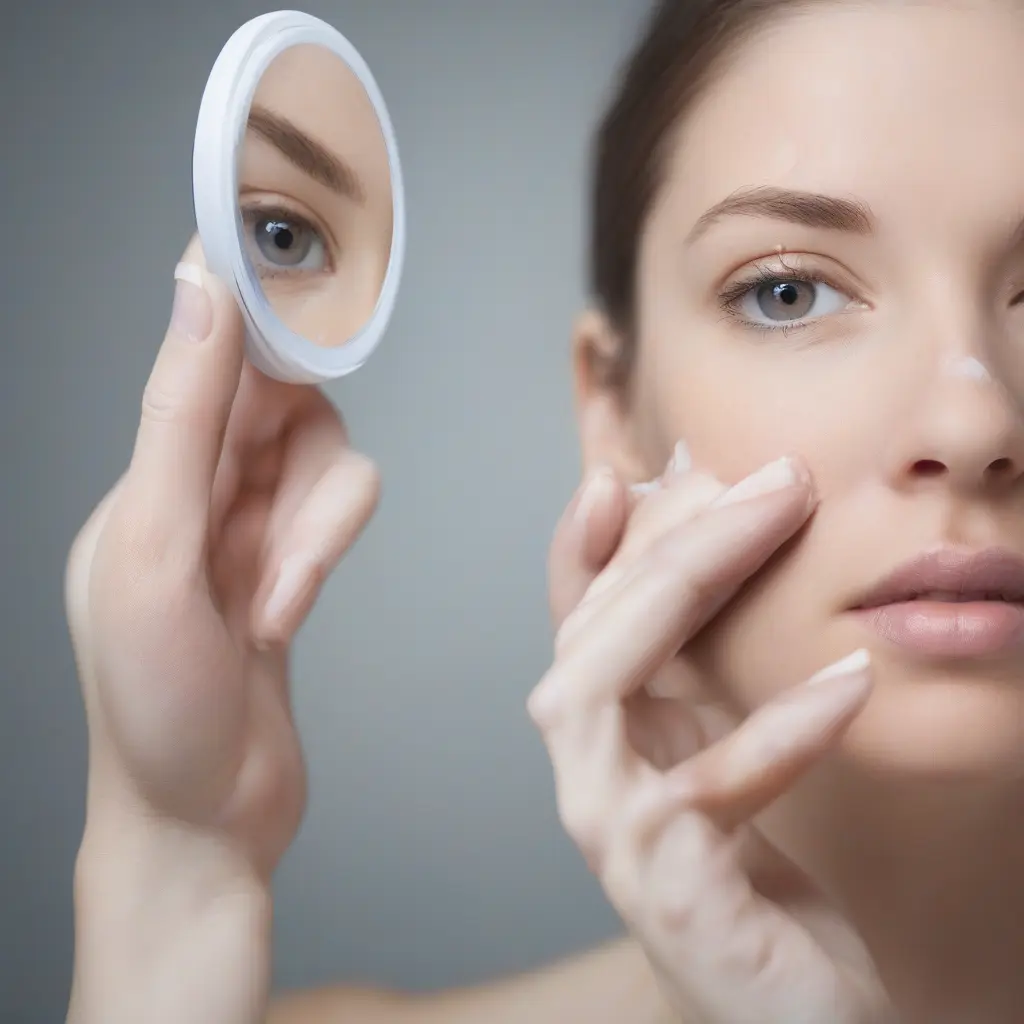
Performing a skin self-examination doesn’t require any special skills and can be done in a matter of minutes. Begin with good lighting and a full-length mirror, examining your entire body. Use a hand-held mirror to inspect hard-to-see areas such as your back and scalp. Take your time and note any existing moles, freckles, or spots, while checking for any new developments. Document changes over time, which can be shared with your healthcare provider during regular check-ups.
Developing a Skin Care Routine
A well-rounded skin care routine is crucial for maintaining healthy skin and preventing issues. Incorporate daily sunscreen usage, even on cloudy days, to protect against harmful UV rays. Regular moisturizing helps maintain skin hydration and barrier function. Cleansing your skin daily removes dirt and impurities, while exfoliating periodically can help unveil fresh skin. Incorporating dermatologist-recommended products tailored to your skin type can further enhance your routine, reducing the risk of skin problems.
Common Skin Conditions to Watch For
Several common skin conditions require attention, including eczema, psoriasis, acne, and rosacea. Eczema causes itchy, inflamed skin, while psoriasis leads to thick, scaly patches. Acne results from clogged pores, and rosacea manifests as redness and visible blood vessels. Each condition has specific treatment approaches, and recognizing symptoms early can lead to better outcomes. If you experience persistent issues or discomfort associated with any skin condition, seeking professional advice is crucial for effective management.
Educational Resources for Skin Health
Numerous educational resources are available to help individuals better understand skin health. The American Academy of Dermatology provides in-depth information about various skin conditions, prevention tips, and guidelines for skin self-exams. Websites, webinars, and community programs can also offer beneficial insights into skin care. Engaging with qualified professionals, attending local skin health workshops, or participating in educational seminars can enhance your knowledge and enable you to make informed decisions regarding your skin health.
Conclusion
Regular skin checks are a proactive approach to maintaining skin health and addressing potential issues early. By understanding what to look for during self-examinations and recognizing when to seek professional help, individuals can take charge of their skin health effectively. Awareness of risk factors, combined with a solid skin care routine, is essential for everyone. Ultimately, empowering oneself with knowledge fosters a lifelong commitment to skin health and overall wellness.