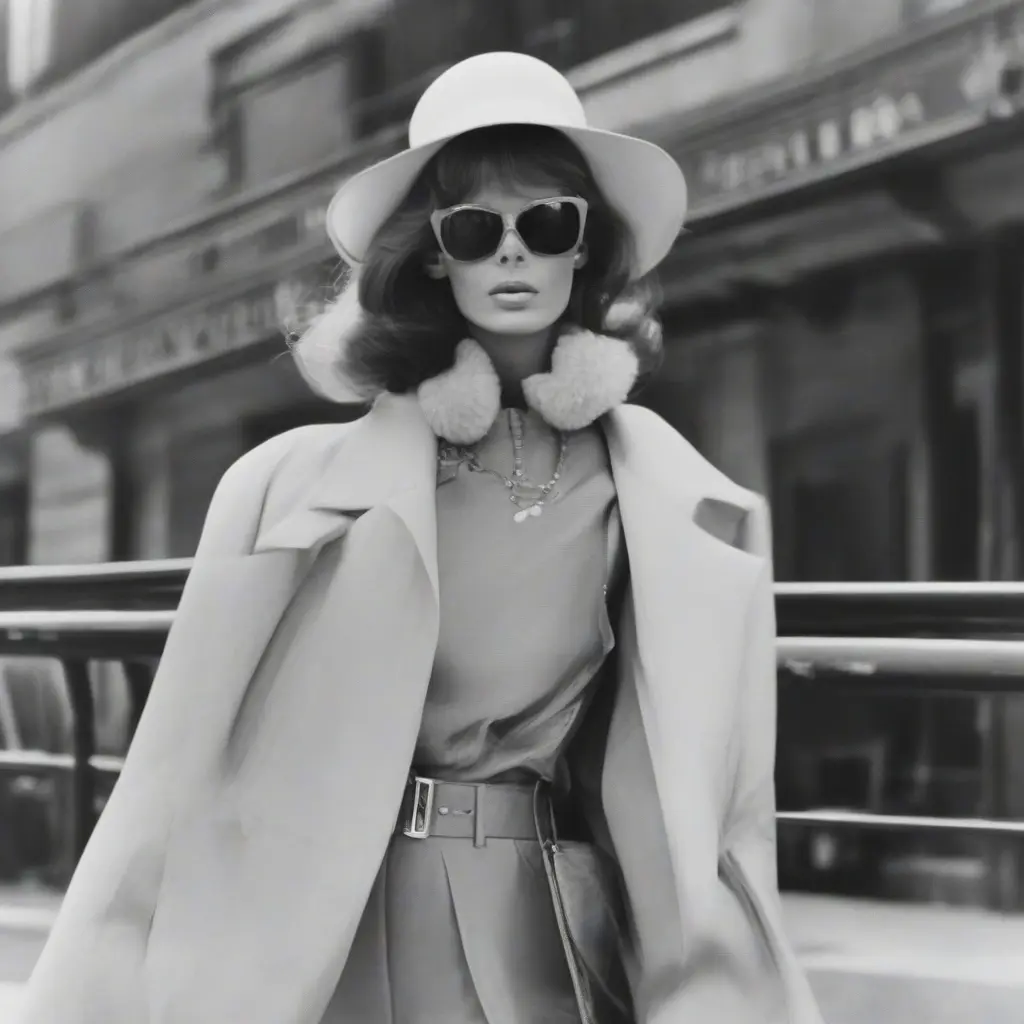

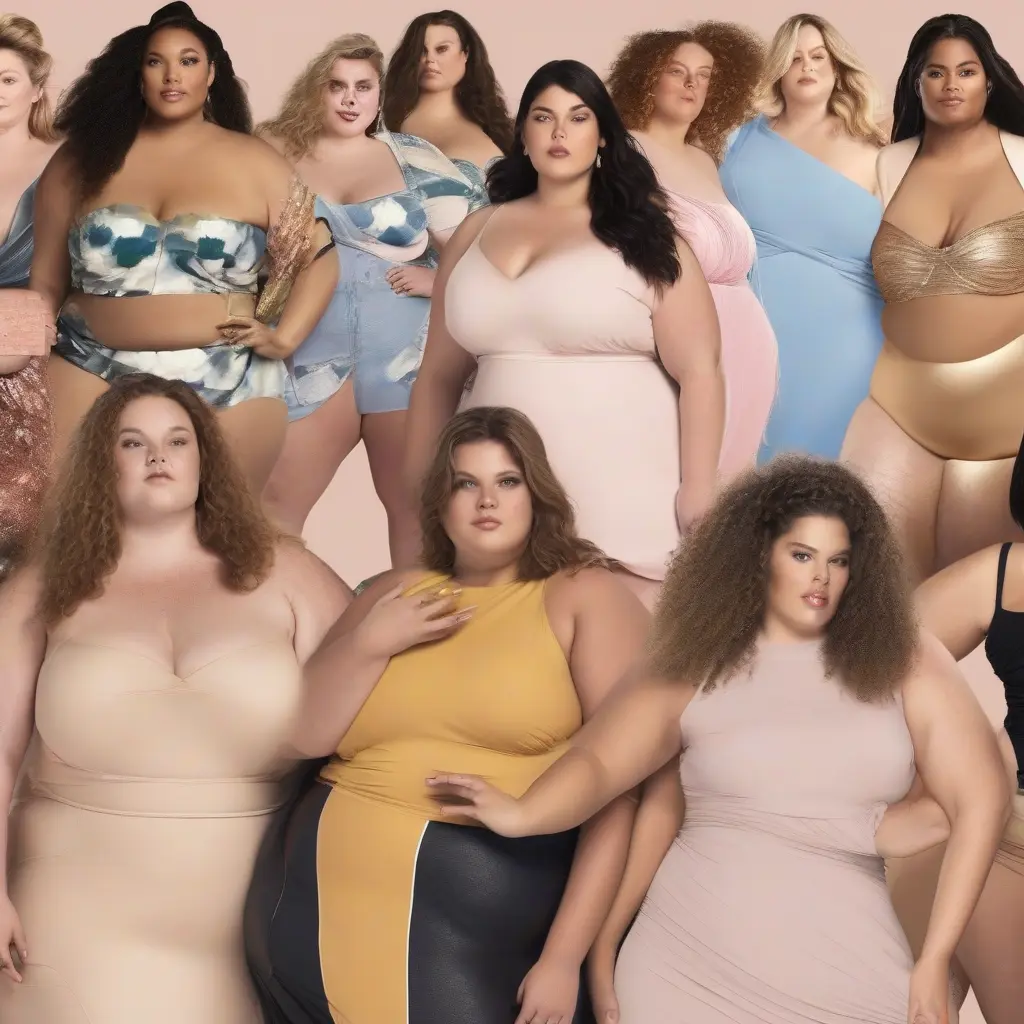
Fashion has long been a medium for personal expression, but it is also a platform for body positivity. As society evolves, a growing movement celebrates diversity in body shapes and sizes, challenging traditional beauty standards. This article delves into the relationship between fashion and body positivity, highlighting how varied representations in the fashion industry empower individuals, boost self-esteem, and promote inclusive beauty. From runway models to street style influencers, embracing all body types is essential in redefining modern fashion norms.
The Evolution of Body Positivity in Fashion
The body positivity movement began gaining traction in the late 20th century, advocating for the acceptance of all body shapes beyond conventional standards. In fashion, this evolution shifted perspectives on beauty, leading to more diverse representations in advertising and runway shows. Influential designers have started embracing plus-size models and varying body shapes, signaling a significant change. As consumer demand for diversity increases, the fashion industry is gradually recognizing that beauty is not monolithic but encompasses a wide spectrum of sizes.
The Role of Social Media in Promoting Body Positivity
Social media has emerged as a powerful tool for changing perceptions of body image and promoting body positivity. Platforms like Instagram and TikTok offer individuals from all walks of life the opportunity to share their style, challenges, and victories related to body confidence. Influencers and activists utilize these platforms to inspire followers, fostering communities where acceptance and encouragement thrive. This democratization of fashion helps challenge corporate narratives, empowering consumers to embrace their unique shapes and sizes.
Inclusive Fashion Brands Leading the Change
Many fashion brands are now recognized for their commitment to inclusivity and body positivity. Labels like Aerie and Savage X Fenty have gained attention for their diverse sizing and marketing practices. These brands not only produce clothing that fits a wider range of body types, but they also promote positive messages about self-acceptance and confidence. By embracing inclusivity, these brands set powerful examples, encouraging other companies to rethink their approaches to sizing and representation in the fashion industry.
Understanding Fashion Sizing and Body Types
Understanding fashion sizing can be challenging, given its inconsistency across brands. Traditional sizing labels often fail to reflect the diverse body types that exist in reality. This discrepancy emphasizes the importance of body-positive messaging, encouraging individuals to embrace their unique shapes and to shop based on fit rather than size alone. Many advocates emphasize the need for brands to adopt standardized sizing to improve overall consumer experience and satisfaction, reducing the stigma associated with larger sizes.
Fashion as a Form of Self-Expression
Fashion serves as a powerful form of self-expression, allowing individuals to communicate their identity and personal style. For many people, the journey to embracing their true selves includes experimenting with clothing that complements their body shape. Inclusive fashion encourages creativity by providing options tailored to diverse body types. By celebrating all shapes and sizes, fashion becomes a tool for empowerment and individuality, reinforcing that style is not limited by societal expectations but rather is an expression of personal identity.
Challenges Still Facing Body Positivity in Fashion
Despite the progress made, challenges remain in the pursuit of body positivity within the fashion industry. Many brands still prioritize traditional beauty standards, focusing on thinness and often excluding larger sizes from their offerings. Furthermore, the portrayal of body positivity can sometimes be superficial, lacking depth and genuine representation. This calls for continued advocacy and awareness-raising efforts, pushing for real inclusivity and the dismantling of outdated narratives surrounding beauty and body image.
Activism and Advocacy in Fashion
Activism and advocacy play crucial roles in promoting body positivity within the fashion realm. Organizations and individuals advocate for more inclusivity, pushing brands to improve their sizing and representation. Initiatives like body-positive campaigns amplify voices that have been historically marginalized, calling for equitable treatment in fashion. By aligning with activists, brands can gain insights that lead to meaningful changes, ultimately benefitting consumers and contributing to a broader cultural shift toward acceptance and diversity in beauty standards.
The Impact of Body Positivity on Mental Health
Embracing body positivity can have profound effects on mental health and self-esteem. Individuals who accept their bodies often experience lower levels of anxiety and depression related to body image. The fashion industry’s shift toward inclusivity not only empowers diverse representations but also supports mental well-being by challenging negative self-perception. This cultural transformation encourages individuals to appreciate their bodies and fosters a more supportive environment where all shapes and sizes are respected and celebrated.
Conclusion
In conclusion, the intersection of fashion and body positivity is a vital area of cultural significance. By embracing and celebrating all body shapes and sizes, the fashion industry can foster inclusivity and promote self-acceptance. This evolving narrative empowers individuals, enhances mental well-being, and encourages a more diverse representation of beauty, ultimately contributing to a society that values all forms of self-expression.