
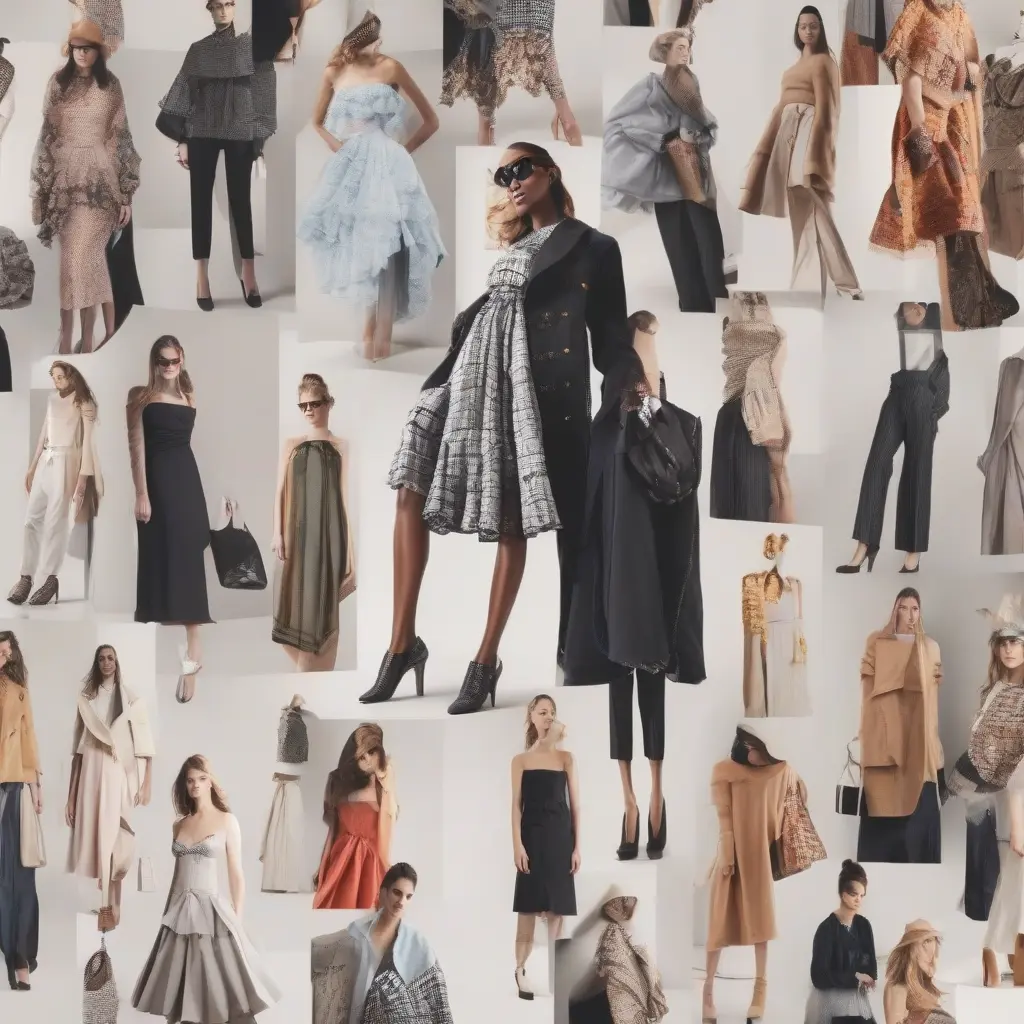
Fashion psychology explores the connection between clothing choices and emotional well-being. What we wear can significantly influence our mood and boost our confidence levels. Choosing outfits that resonate with our self-image can lead to enhanced self-esteem and a happier demeanor. Conversely, wearing unflattering or uncomfortable clothing can have the opposite effect, resulting in feelings of inadequacy. This article delves into the various ways fashion affects our mental state, examining the science behind clothing choices and their emotional repercussions.
The Science Behind Fashion Psychology
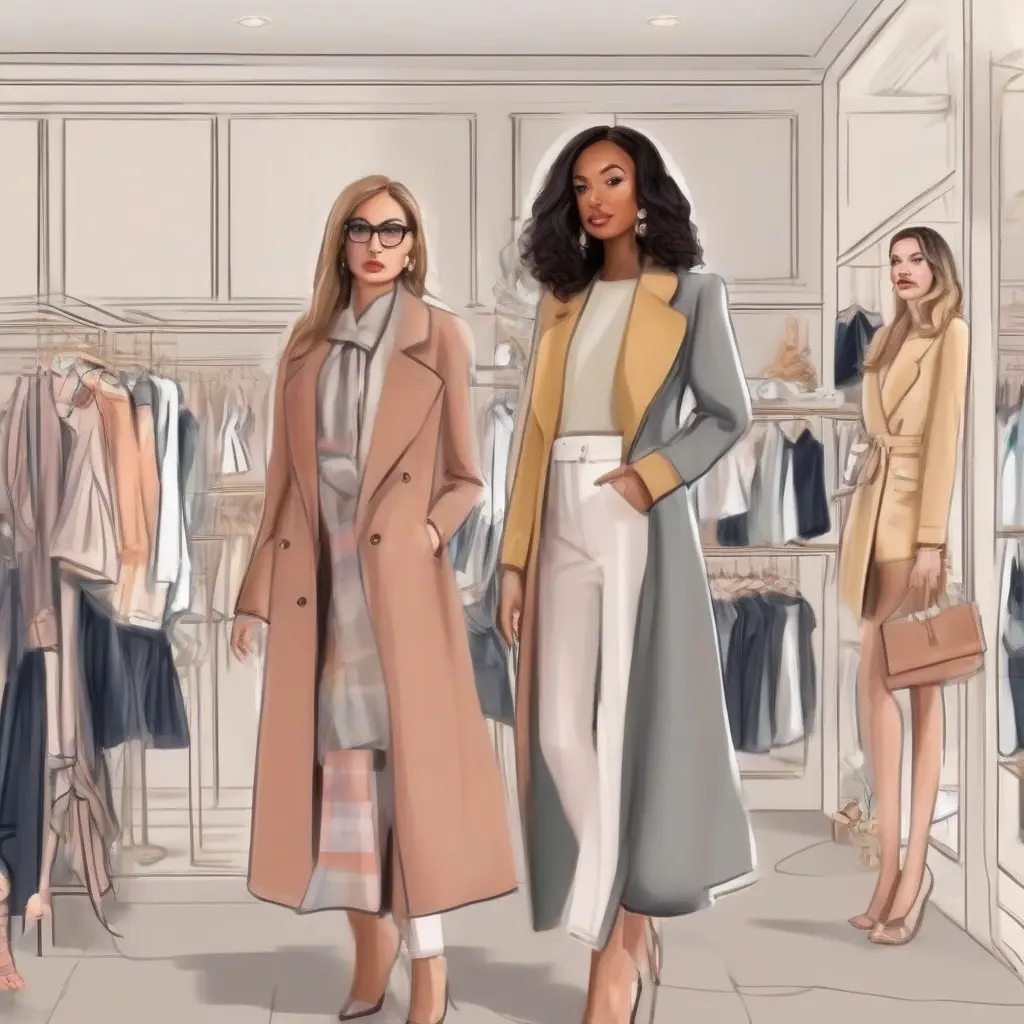
Fashion psychology is rooted in behavioral psychology, which studies how clothing can influence emotions and perceptions. Researchers have found that our outfits can affect the way we perceive ourselves and how others perceive us. For instance, wearing formal attire can make individuals feel more competent and authoritative, while casual clothing often contributes to a relaxed and comfortable mindset. This fascinating interplay demonstrates how clothing plays a crucial role not just in aesthetics but also in everyday emotional experiences.
Color Psychology in Clothing
Color has profound psychological effects, and its impact is especially notable in fashion. Different colors evoke various emotions and can alter mood. For example, wearing blue often brings feelings of calmness and tranquility, while red might evoke passion and energy. Individuals may choose specific colors based on the emotions they wish to express or cultivate. Understanding color psychology can enable better clothing choices that align with one’s desired feelings or state of mind, enhancing overall emotional health.
How Fit and Comfort Affect Mood
The fit and comfort of clothing are pivotal in determining one’s mood and confidence levels. Clothing that is too tight or too loose can lead to discomfort, distracting individuals from their activities and interactions. Conversely, well-fitted clothing can enhance confidence and promote positive self-image. Additionally, comfort plays a significant role; wearing soft, breathable fabrics can lead to feelings of ease, allowing individuals to focus more on their tasks or social situations without the distraction of discomfort.
The Role of Fashion in Self-Expression
Fashion serves as a powerful form of self-expression, allowing individuals to communicate their identity and personality through their clothing choices. The outfits we choose reflect our beliefs, values, and unique tastes. Engaging with fashion in this way can boost confidence, as it enables people to feel aligned with their authentic selves. When individuals feel free to express who they are through their clothing, they often experience heightened self-esteem and improved mental well-being.
Social Influence and Clothing Choices
Societal trends and peer influences significantly affect individuals’ clothing choices, often impacting mood and confidence. Social media, for instance, plays a crucial role in shaping perceptions of fashion and self-worth. Many individuals feel pressure to conform to prevailing styles or trends, which can lead to feelings of insecurity if they feel they do not measure up. Understanding this influence is vital, as it allows individuals to discern authentic preferences from external pressures and make more confident clothing choices.
The Impact of Fashion Trends on Mental Health
Fashion trends can have a dual effect on mental health, either positively or negatively. On one hand, embracing popular trends can foster a sense of belonging and community among those who engage in similar styles. On the other hand, the relentless pursuit of trends can lead to feelings of inadequacy, anxiety, and stress, particularly when individuals cannot keep pace. Recognizing the emotional consequences of following trends can empower individuals to make more intentional, authentic fashion choices that boost their mood.
Fashion Rituals and Their Psychological Effects
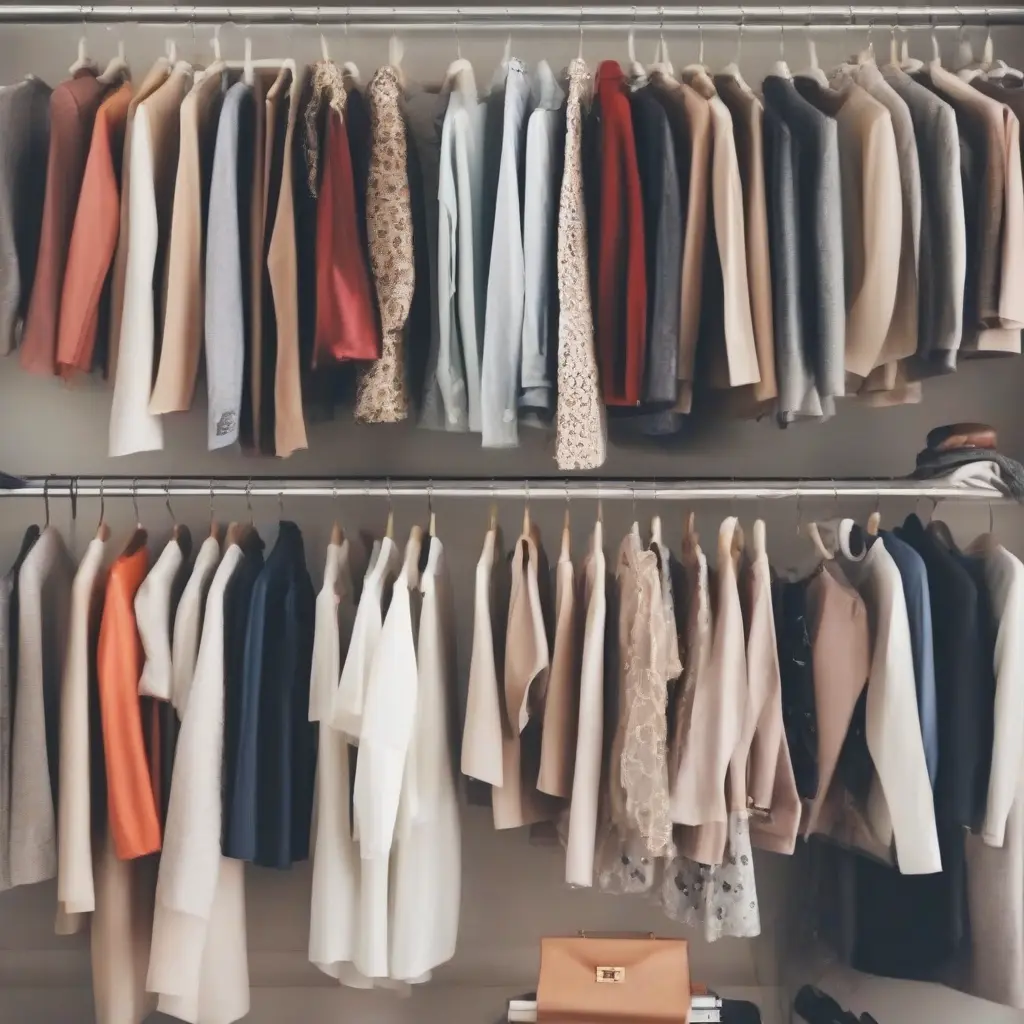
Establishing fashion rituals can significantly enhance mood and self-confidence. Engaging in practices such as curating outfits for special occasions or daily routines can instill a sense of discipline and anticipation. These rituals provide structure and allow individuals to start or conclude their day positively. Furthermore, preparing outfits in advance can reduce decision fatigue, allowing individuals to focus their mental energy on other aspects of their day, further enhancing their emotional well-being.
Building a Personal Style for Better Confidence
Cultivating a personal style serves as a foundation for increased confidence and self-acceptance. A well-defined personal style allows individuals to make clothing choices that truly reflect their identity, leading to enhanced comfort and confidence. When people wear clothes that resonate with their true selves, they are likelier to project positivity and self-assuredness. This approach not only helps in making fashion choices easier but also boosts overall mental health by fostering a strong sense of self.
Fashion as a Tool for Empowerment
Fashion can be a potent tool for empowerment, aiding individuals in expressing their individuality and reclaiming their narrative. This empowerment is especially significant for marginalized groups, who can use clothing choices to challenge stereotypes and assert their identity. When individuals choose fashion as a means of self-empowerment, they often experience a boost in confidence and emotional resilience. Thus, clothing becomes not just an expression of style but a statement of agency and self-definition.
Conclusion
Understanding the intricate relationship between fashion and psychology can greatly influence our emotional well-being. By recognizing how clothing affects mood and confidence, individuals can make more intentional choices that uplift them. Adopting a mindful approach to fashion encourages self-expression, authenticity, and empowerment, ultimately leading to improved mental health and a more positive outlook on life.