
Understanding color theory is essential for anyone looking to enhance their personal style. By leveraging the psychological impact of colors and their interactions, you can make informed choices that elevate your wardrobe. This article will explore various color principles, such as the color wheel, complementary and analogous colors, and the significance of warm and cool tones. Additionally, we will discuss practical tips on how to incorporate these insights into your fashion choices, helping you achieve a look that reflects your personality and enhances your confidence.
The Basics of Color Theory in Fashion
Color theory serves as the foundation for selecting and combining colors effectively in fashion. It begins with the color wheel, a circular diagram that visually represents the relationships between colors. The primary colors—red, blue, and yellow—can be mixed to create secondary colors like green, orange, and purple. Tertiary colors emerge from blending primary and secondary colors. Understanding these relationships allows you to create visually appealing outfits, ensuring your clothing combinations work harmoniously.
The Impact of Color Psychology
Colors affect our emotions and perceptions, making color psychology a vital aspect of personal style. Each color evokes specific feelings and associations. For example, blue often signifies calmness and reliability, while red can evoke passion and energy. Choosing colors that resonate with your emotions or the impression you want to convey can significantly impact how you feel and how others perceive you. Therefore, understanding color psychology is crucial for making style choices that align with your personal brand.
Complementary Colors: Bold Combinations
Complementary colors are those that fall opposite each other on the color wheel. When paired together, they create striking contrasts that attract attention. For instance, pairing blue with orange or purple with yellow can result in an eye-catching ensemble. Using complementary colors not only enhances your aesthetic but also allows you to make a statement. However, it’s essential to balance these colors wisely to avoid overwhelming your look; consider using one color as a dominant hue and the other as an accent.
Analogous Colors: Subtle Harmony
Analogous colors, located next to each other on the color wheel, create harmonious and visually pleasing combinations. For example, greens, blues, and teals can blend beautifully together for a calm, cohesive look. This approach is perfect for those who prefer subtlety in their outfits yet still want a layered appearance. By mixing similar hues, you can develop a fresh, sophisticated style that feels natural and effortless, appealing to both the eye and the heart.
The Significance of Warm and Cool Colors
Colors are often categorized as warm or cool, influencing their emotional and physical expectations. Warm colors like reds, oranges, and yellows are energetic and inviting, making them ideal for casual or vibrant settings. In contrast, cool colors such as blues and greens convey relaxation and sophistication, often seen in more formal settings. Understanding how to balance warm and cool colors in your wardrobe allows you to adapt your personal style to suit various occasions and moods effectively.
Creating Contrast with Neutrals
Integrating neutral colors into your outfits is an effective way to create contrast and elevate your look. Neutrals like black, white, gray, and beige provide a versatile backdrop for both bold and subtle colors. They can anchor an outfit, allowing vibrant colors to shine without overwhelming the overall appearance. Use neutrals strategically to balance brighter hues or create a polished look that remains timeless. This adaptability makes neutrals an indispensable part of any stylish wardrobe.
Building a Color Palette for Your Wardrobe
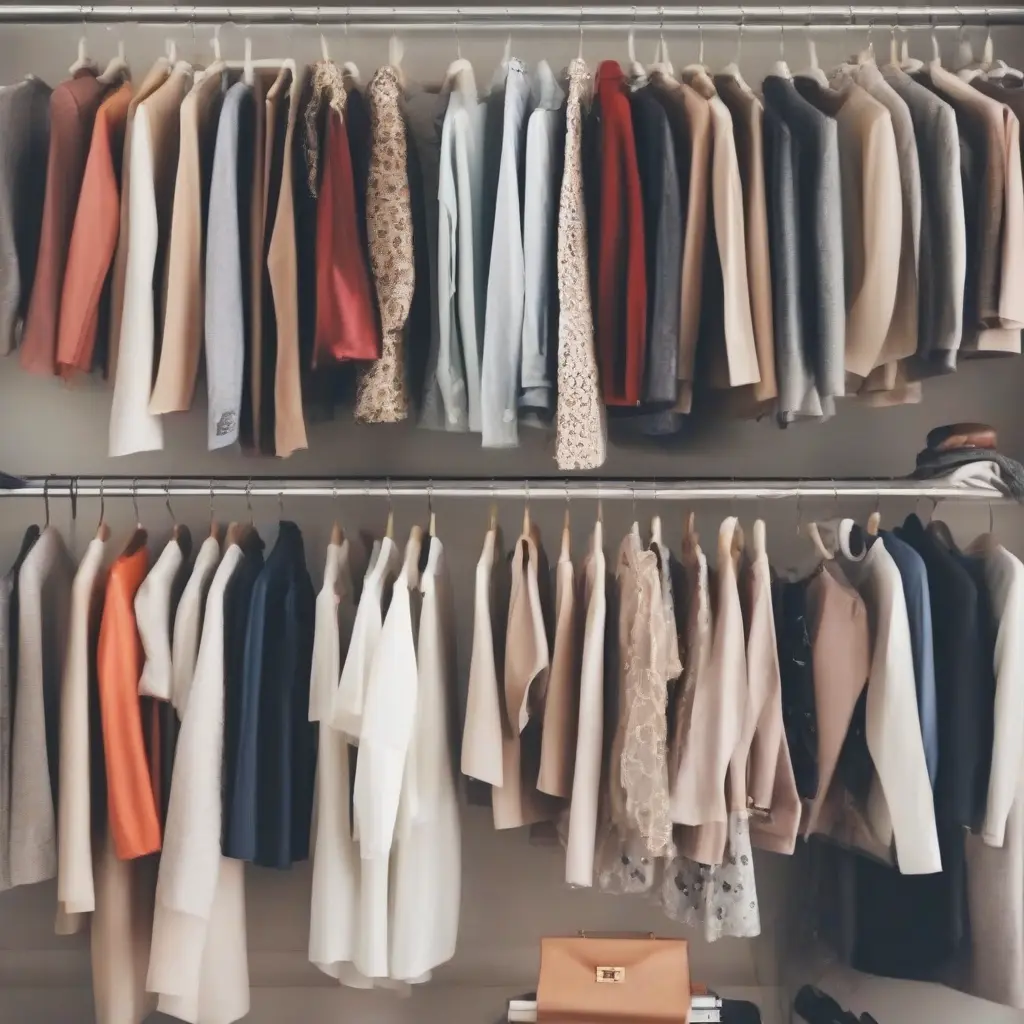
Establishing a color palette helps simplify your fashion choices and ensure your outfits are coordinated. Start by identifying colors that complement your skin tone and personal preferences. Once you’ve selected your core colors, consider adding a few accent hues. This cohesive color palette allows for easy mixing and matching while ensuring your wardrobe remains versatile and stylish. Frequent wear of your selected colors can also reinforce your personal brand, making your style recognizable and authentic.
Accessorizing with Color
Accessories are a fantastic way to incorporate color theory into your personal style without overwhelming your wardrobe. Colorful scarves, belts, or jewelry can add pops of color to an outfit, allowing you to adopt trends or experiment with new styles. Consider using accessories as a means to introduce color accents or to reflect your current mood. This approach allows for creativity while maintaining the overall coherence of your look, making it easier to stay fashionable.
Experimenting with Patterns and Textures
Incorporating patterns and textures into your outfits can further enhance your use of color theory. Patterns often combine multiple colors, providing ample opportunity for creative expression. When working with patterns, choose pieces that either complement or contrast the colors in your wardrobe effectively. Additionally, mixing textures adds depth to your ensemble, making it visually appealing. Experimentation allows you to find unique combinations that align with your personal style while broadening your fashion horizons.
Seasonal Color Analysis
Understanding seasonal color analysis can help refine your wardrobe by aligning your color choices with seasonal trends. Each season typically features a specific palette; for instance, spring is known for pastels, while autumn boasts rich earthy tones. By adapting your wardrobe to include colors that resonate with the seasons, you can feel more attuned to your environment and current trends. This approach not only invigorates your style but also allows for greater versatility throughout the year.
Conclusion
Incorporating color theory into your personal style can significantly enhance your fashion sense, allowing you to express your individuality. By understanding the relationships between colors, their psychological impacts, and learning to combine them effectively, you can create a wardrobe that feels uniquely yours. Use this knowledge to explore new combinations, adapt to seasons, and refine your overall look, ultimately boosting your confidence and satisfaction with your personal style.