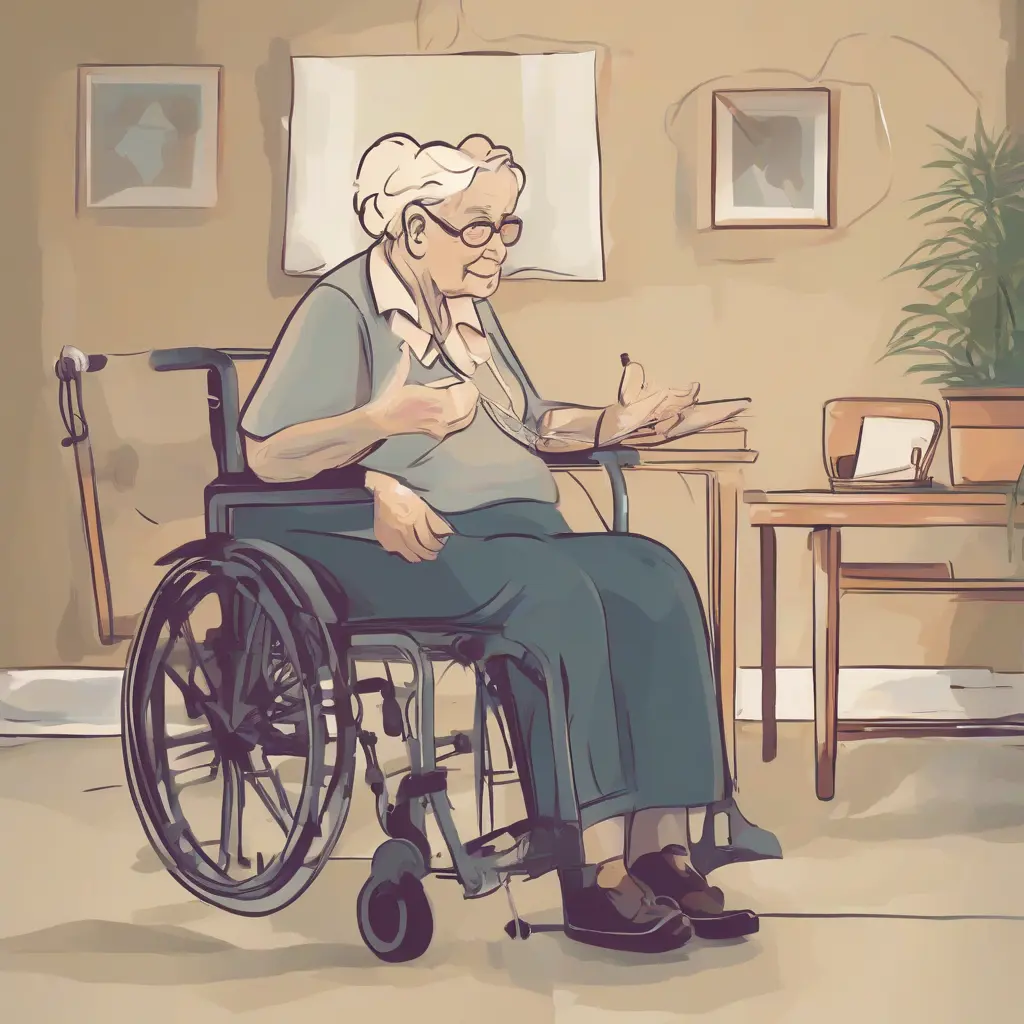


Discussing end-of-life care can be a daunting task for many individuals and families. These conversations often evoke a range of emotions, making it essential to approach them thoughtfully and delicately. Understanding how to communicate effectively about preferences, values, and wishes regarding end-of-life decisions is crucial for both patients and caregivers. This article explores proven strategies and useful tips for facilitating these important discussions, ensuring that both parties can express their feelings openly and respectfully, ultimately resulting in better care choices.
Understanding the Importance of End-of-Life Conversations
Engaging in discussions about end-of-life care is vital for ensuring that individuals’ wishes are honored. Without clear communication, families may grapple with uncertainty and conflict when making healthcare decisions. These conversations empower patients to voice their values and preferences, which is essential for delivering personalized care. Furthermore, such discussions can alleviate emotional burdens on family members who may feel overwhelmed by decisions that must be made in difficult times. By prioritizing these conversations, individuals can ensure that their end-of-life care aligns with their desires.
Choosing the Right Time and Setting
Timing and setting play significant roles in how effectively difficult conversations about end-of-life care unfold. Select a comfortable, quiet environment that promotes openness and privacy. Ensure that everyone involved has ample time to engage fully in the discussion without distractions. Moreover, consider the emotional and physical states of the participants. Conversations are often more productive when individuals are in a calm and relaxed frame of mind, enabling deeper connections and meaningful exchanges of thoughts and feelings.
Utilizing Active Listening Techniques
Active listening is essential in difficult conversations about end-of-life care. It involves not just hearing the words but also understanding the emotions and intentions behind them. Show engagement by maintaining eye contact, nodding, and providing verbal affirmations. Encourage the speaker to elaborate on their thoughts and feelings, demonstrating that their concerns are valid and heard. By practicing active listening, caregivers can build trust and reassure patients that their wishes and emotions are prioritized, fostering a more supportive environment for these vital discussions.
Being Honest yet Compassionate
Honesty is crucial in conversations related to end-of-life care, as it lays the foundation for trust and understanding. However, combining honesty with compassion is equally important. Convey information clearly, but consider the emotional impact of your words. Avoid clinical jargon that may confuse the listener, and instead, use relatable language. Frame difficult truths gently, focusing on creating a supportive atmosphere. This balance allows for transparent discussions while guiding individuals through their feelings, ultimately leading to better decision-making.
Discussing Values and Preferences
Encouraging individuals to express their values and preferences is a cornerstone of effective end-of-life discussions. Ask open-ended questions that prompt deeper reflection on what truly matters to them regarding their care. It’s essential to create a space where participants feel safe to share their thoughts without fear of judgment. By exploring beliefs about dignity, quality of life, and personal experiences, caregivers can gather meaningful insights that inform the future care plan and ensure that it aligns with the patient’s wishes.
Involving Healthcare Professionals
Involving healthcare professionals in end-of-life discussions can provide valuable insights and guidance. Doctors, nurses, and palliative care specialists can clarify medical options and prognosis, aiding decision-making. They can also help mediate discussions, speeding up the exchange of information, and addressing concerns that family members may have. Encouraging participation from healthcare providers can reassure families that their decisions are supported by expertise, ultimately leading to more informed choices about care approaches and interventions.
Preparing for Emotional Reactions
End-of-life conversations are inherently emotional, triggering a range of feelings from sadness to anger. It is essential to prepare for these reactions, recognizing that they are natural and valid. Anticipate that participants may need time to process information and express their emotions. Encourage an atmosphere of empathy, assuring everyone that feelings can be shared openly. Recognizing and validating emotional responses not only normalizes the experience but also promotes healing and understanding among all parties involved.
Documenting Care Preferences
Documenting care preferences is a crucial step after the initial conversations have occurred. This can help ensure that decisions made during emotional moments are respected later on. Encourage patients to create advanced healthcare directives or living wills that clearly outline their wishes. Additionally, consider maintaining a record of the discussions held with family members, ensuring that everyone is on the same page regarding preferences. Clear documentation can serve as a guide for family members and healthcare providers, facilitating smoother decision-making in the future.
Regularly Revisiting the Topic
End-of-life care discussions should not be a one-time conversation; they require ongoing dialogue. Regularly revisiting these topics allows individuals to express any changes in their preferences and circumstances. Life events can shift perspectives, and keeping lines of communication open ensures adaptability in care planning. Schedule periodic check-ins to discuss any new thoughts or concerns, reinforcing the importance of transparent communication. This approach helps maintain clarity and mutual understanding as situations evolve over time.
Engaging Family Members in the Process
Involving family members can significantly enhance the quality of end-of-life care conversations. Their presence can provide emotional support to the patient and offer diverse perspectives on care options. However, it’s vital to establish ground rules for participation to ensure that discussions remain respectful and productive. Guide family members to listen actively and allow the patient to express themselves fully without feeling overwhelmed by differing opinions. This collaborative effort can create a stronger support network and foster unity in decision-making.
Conclusion
Facilitating difficult conversations about end-of-life care is an essential skill that can profoundly impact patients and their families. By approaching these discussions with empathy, honesty, and an understanding of values, caregivers can ensure that individuals’ wishes are respected and honored. Through active listening, the involvement of healthcare professionals, and continuous dialogue, families can navigate these challenging topics more effectively. Ultimately, prioritizing end-of-life conversations leads to more informed decisions, better care outcomes, and a sense of peace for all involved.