

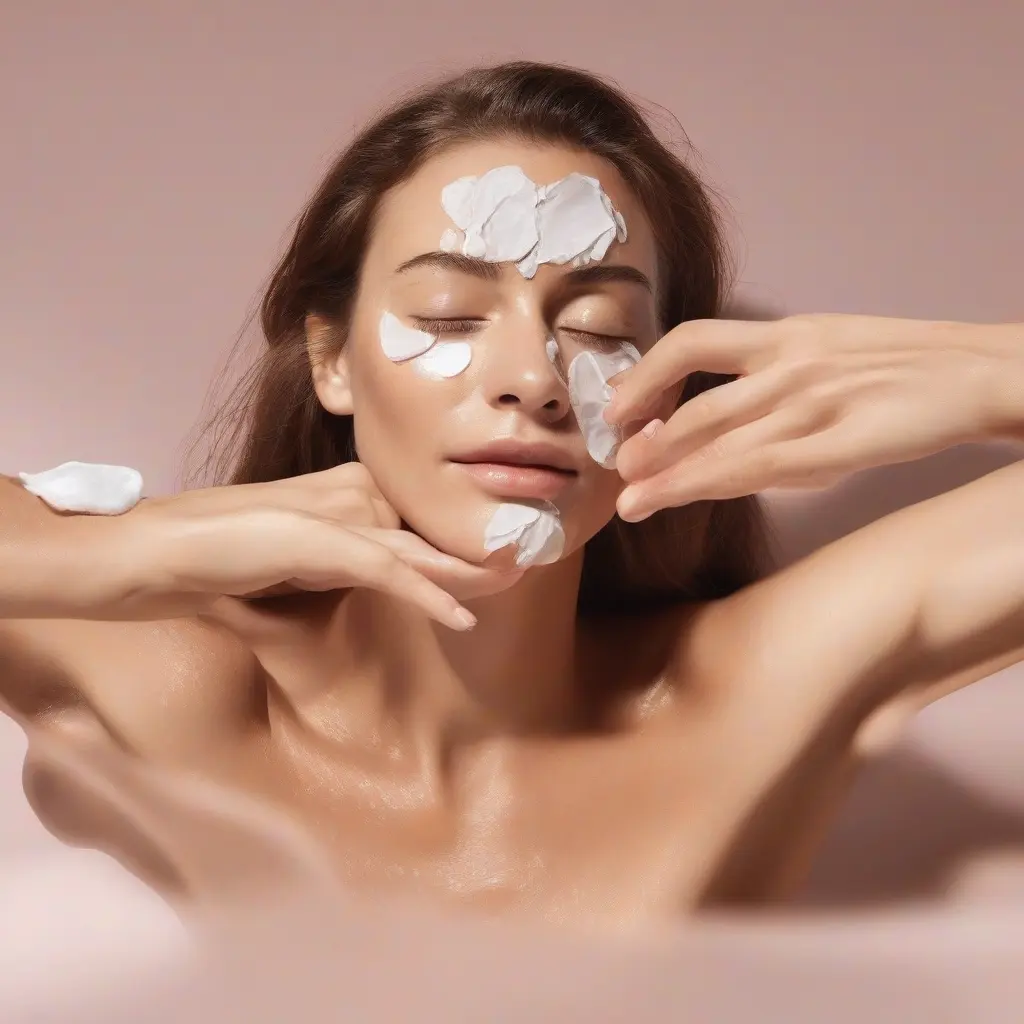
Dehydrated skin is a common concern that many people face, especially in varying climate conditions. It occurs when the skin lacks water, leading to a variety of uncomfortable symptoms. Identifying dehydrated skin can be the first step towards effective treatment. In this article, we will explore the signs of dehydrated skin, the causes behind it, and practical solutions to restore moisture levels.
Understanding Dehydrated Skin: Key Characteristics
Dehydrated skin has specific characteristics that distinguish it from dry skin. Signs include tightness, dullness, and an increased prevalence of fine lines. You might also notice an uneven texture, which is often exacerbated by lack of moisture. While dry skin types have a deficiency in natural oils, dehydrated skin primarily lacks water, resulting in different symptoms. Observing these signs can help in the early identification of the condition.
Common Causes of Dehydrated Skin
Several factors contribute to dehydrated skin, including environmental conditions, lifestyle choices, and skincare habits. Seasonal weather changes, such as low humidity in winter, can significantly reduce skin moisture levels. Additionally, excessive sun exposure and pollution can strip the skin of its hydration. Poor hydration practices, such as not drinking enough water and using harsh cleansing products, also play a role. Understanding these causes can guide individuals in prevention.
How to Assess Your Skin’s Hydration Levels
To effectively treat dehydrated skin, it is essential to assess your skin’s hydration levels accurately. One common method is the pinch test: gently pinch the skin on the back of your hand; if it doesn’t bounce back quickly, it may indicate dehydration. Additionally, observing the skin’s appearance and texture can be revealing. A lack of radiance and visible flakiness are often indicators. Keeping track of seasonal changes in your skin can also help you understand its hydration needs.
Importance of Hydration in Overall Skin Health
Hydration is critical for maintaining skin elasticity and overall health. When skin is properly hydrated, it appears plumper, more radiant, and feels smoother. Water helps to transport nutrients and oxygen to skin cells, facilitating cellular turnover and repair. Additionally, well-hydrated skin can create a more effective barrier against environmental aggressors. Therefore, incorporating hydration into your skincare routine is not just a remedy but a proactive measure for long-term skin health.
Best Moisturizers for Dehydrated Skin
Choosing the right moisturizer is vital for treating dehydrated skin. Look for products that contain humectants such as hyaluronic acid and glycerin, as these ingredients attract water to the skin. Creams and lotions enriched with ceramides can help restore the skin barrier, while those with natural oils provide added nourishment. It’s essential to apply moisturizer on damp skin to maximize hydration retention. Testing different formulations can help you find the best fit for your specific skin type.
Nutritional Role in Hydrating the Skin
What you consume can significantly impact your skin’s hydration levels. Drinking adequate water daily is fundamental in maintaining skin moisture. Additionally, incorporating foods high in water content, such as fruits and vegetables, can contribute to hydration from the inside out. Foods rich in essential fatty acids, like avocados and nuts, also help maintain the skin barrier by preventing moisture loss. A balanced diet rich in antioxidants can further enhance skin health, making nutrition a key factor in hydration.
Lifestyle Changes to Prevent Dehydrated Skin
Implementing lifestyle changes can significantly reduce the risk of dehydrated skin. Start by establishing a consistent skincare routine that includes gentle cleansing and regular hydration. Avoid prolonged hot showers and harsh soaps that can strip natural oils. Additionally, using a humidifier in dry environments can help maintain moisture levels in the skin. Lastly, prioritize stress management techniques; stress can impact skin hydration and overall health, so practices such as yoga or meditation can be beneficial.
Home Remedies for Dehydrated Skin
Simple home remedies can effectively alleviate dehydrated skin conditions. Using natural oils, such as olive or jojoba oil, can offer immediate hydration when applied directly. Aloe vera gel, known for its soothing properties, can also provide moisture and calm irritated skin. Additionally, honey possesses humectant properties, making it great for retaining moisture. Incorporating these products into your routine can be a natural and cost-effective way to combat dehydration.
When to Seek Professional Help
While many cases of dehydrated skin can be treated at home, there are circumstances when professional help is necessary. If you notice persistent symptoms or if your skin condition worsens despite treatment, consulting a dermatologist is advisable. Professional assessments can identify underlying issues such as eczema or psoriasis, which may require specialized treatment. Early intervention can prevent additional complications and ensure optimal skin health.
Conclusion
Identifying and treating dehydrated skin is essential for maintaining overall skin health. By understanding the signs, causes, and effective solutions, individuals can take proactive measures to restore hydration. Implementing hydration strategies, both topically and internally, as well as making lifestyle adjustments, will greatly enhance overall skin appearance and comfort. Remember, if conditions persist, seeking professional advice is crucial for targeted treatment.