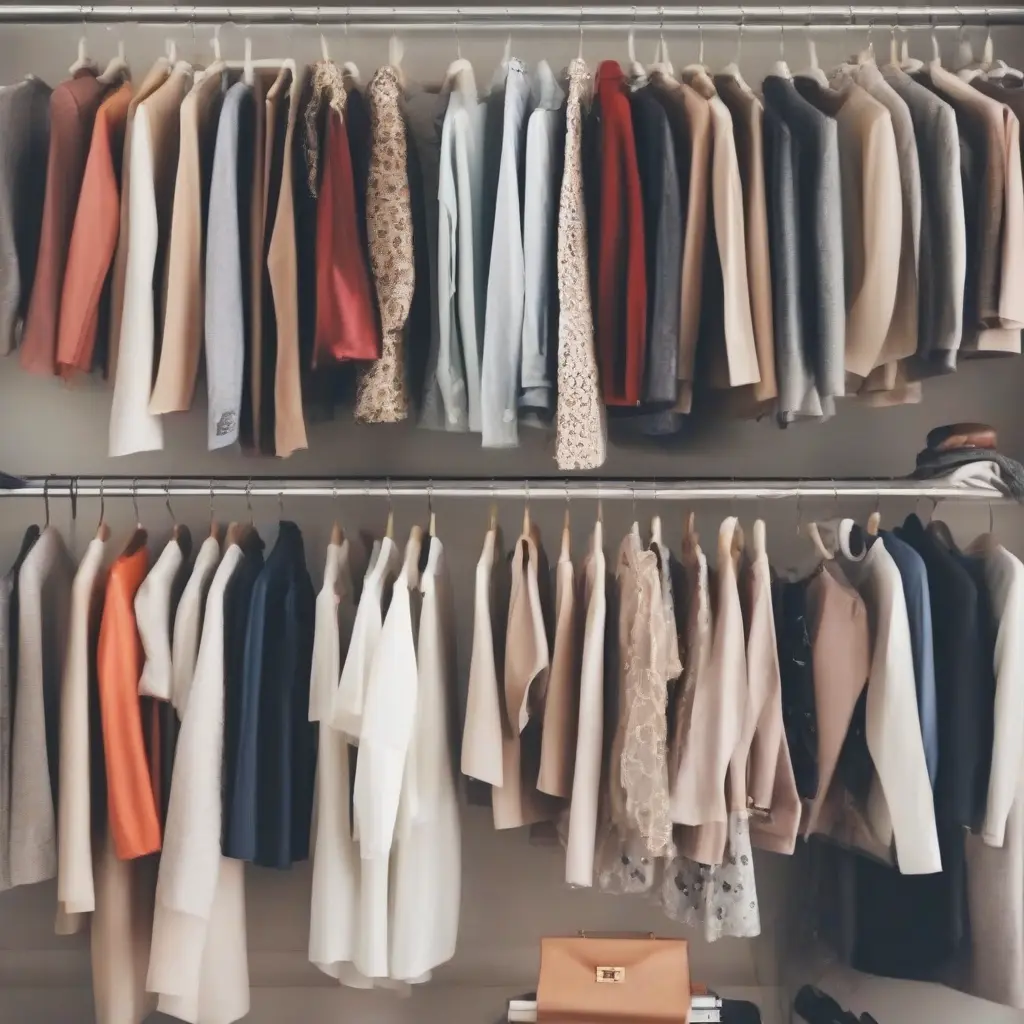


Identifying quality clothing can significantly enhance your wardrobe and overall style. Understanding the elements that contribute to garment quality not only helps in making informed choices but also ensures longevity and satisfaction with your purchases. This guide delves into key factors like fabric types, stitching quality, and garment construction, offering practical tips for discerning shoppers. By focusing on these elements, you can cultivate a collection that embodies both durability and style, making each purchase a positive investment for your fashion journey.
Understanding Fabric Types
The fabric used in clothing plays a crucial role in determining its quality. Natural fibers such as cotton, wool, linen, and silk generally offer better breathability, comfort, and durability compared to synthetic fibers. For instance, cotton is soft and versatile, making it an excellent choice for everyday wear, while wool provides insulation and is often used in winter clothing. Additionally, understanding the weight and weave of fabrics can inform decisions; heavier fabrics tend to indicate better quality, especially for outerwear, while lighter options may offer more comfort during warmer months.
Examining Construction Quality
The construction quality of a garment can reveal much about its longevity and overall value. Examine the seams; high-quality clothing often features double-stitched or flat-felled seams that enhance durability. Pay attention to the finish, including hems and edges, which should be neatly finished to prevent fraying. Another indicator of quality is the lining; a well-lined garment adds structure and comfort, especially in jackets and dresses. Inspecting these details can guide you in selecting clothing that not only looks good but also withstands the test of time.
Evaluating Stitching and Detailing
Stitching and detailing are vital components that reflect the craftsmanship behind a garment. Quality clothing often features even, consistent stitching, with no loose threads or uneven seams. The type of stitches used can also vary, with higher-quality items employing techniques such as topstitching for added reinforcement. Moreover, pay attention to buttons, zippers, and other closures; these should feel sturdy and function smoothly. Details like decorative stitching or unique embellishments can also enhance the garment’s aesthetic appeal and signal a higher level of care in the design and production processes.
Considering Fit and Comfort
Fit and comfort are paramount when assessing clothing quality, as even the most beautiful pieces can fall flat if they don’t fit well. Consider how the garment drapes on your body and whether it allows for natural movement. A well-fitting piece should complement your shape while also providing ease of wear. Try garments on with different undergarments to ensure versatility in fit. Additionally, read customer reviews to learn about the fit and comfort of items you’re considering, as firsthand experiences can provide valuable insight into how a garment behaves in daily life.
Researching Brand Reputation
Researching the reputation of clothing brands can provide insight into the quality of their products. Established brands, particularly those known for ethical manufacturing practices, often prioritize quality over quantity. Check customer reviews, industry awards, and media mentions to gauge a brand’s commitment to producing high-quality clothing. Social media platforms and fashion blogs can also serve as valuable resources for recommendations. By choosing brands with a reputation for quality, you can shop with confidence, knowing that your selections are backed by positive feedback from other consumers.
Reading Care Labels
Care labels provide essential information about the maintenance and quality of clothing. These labels typically include instructions on washing, drying, ironing, and storing the garment. High-quality clothing often requires more attentive care, which signifies its superior materials and craftsmanship. Understanding these care requirements can help you make informed decisions about maintaining the integrity of your garments over time. Furthermore, if a care label suggests dry cleaning as the best option, it usually indicates a fabric that is delicate or requires special handling to retain its quality.
Identifying Trends and Timeless Pieces
In the ever-evolving fashion industry, distinguishing between trends and timeless pieces is essential for building a quality wardrobe. Trend-driven clothing often lacks longevity and may be made from lower-quality materials, whereas timeless pieces—think classic silhouettes and neutral colors—are designed to last through changing styles. Investing in versatile items like a tailored blazer or a well-fitted pair of jeans can ensure that your wardrobe remains functional and stylish regardless of seasonal trends. By focusing on quality timeless pieces, you enable yourself to mix and match effortlessly.
Budgeting for Quality Clothing
While quality clothing may come at a higher price point, budgeting for these items can be beneficial in the long run. Assessing your wardrobe needs can help you determine where to allocate your budget for maximum impact. Consider investing in a few high-quality staples rather than buying numerous lower-quality items. Thrift stores and sales can offer opportunities to find quality pieces at reduced prices, ensuring that you can incorporate well-made items without overspending. A thoughtful approach to budgeting encourages more responsible purchasing and a higher-quality wardrobe.
Sustainability and Ethical Production
Sustainability and ethical production practices are becoming increasingly important in the fashion industry, influencing the perception of clothing quality. Brands that adopt environmentally friendly practices often focus on higher quality materials and shorter production runs. By supporting such brands, you not only invest in quality clothing but also contribute to positive environmental and social impacts. Researching a brand’s sustainability policies can lead to more informed shopping choices, aligning your wardrobe with your values while ensuring a lasting piece that is produced responsibly.
Conclusion
Identifying quality clothing requires a keen eye and a commitment to understanding garment construction, materials, and brand reputation. By focusing on elements such as fabric types, stitching, fit, and sustainability, shoppers can cultivate a wardrobe that not only looks good but also stands the test of time. Investing in quality pieces enhances personal style while ensuring responsible consumption. By applying these principles, shoppers can make informed and satisfying choices in their fashion purchases.