
Acne is a common skin condition that affects individuals of all ages, characterized by various types of pimples, redness, and inflammation. Recognizing the different types of acne is essential for effective treatment. From hormonal acne to cystic formations, understanding the underlying causes can aid in selecting appropriate products and lifestyle changes. This comprehensive guide will walk you through the various types of acne, their causes, and effective treatment options so you can achieve clearer skin.
Understanding Acne: An Overview
Acne is primarily caused by the overproduction of sebum, a natural oil that keeps the skin lubricated. When excess sebum combines with dead skin cells, it can clog pores, leading to various forms of acne. This condition can arise from multiple factors including hormonal changes, stress, diet, and genetic predisposition. By understanding these contributing factors, you can take proactive steps toward prevention and treatment.
Types of Acne: A Detailed Breakdown
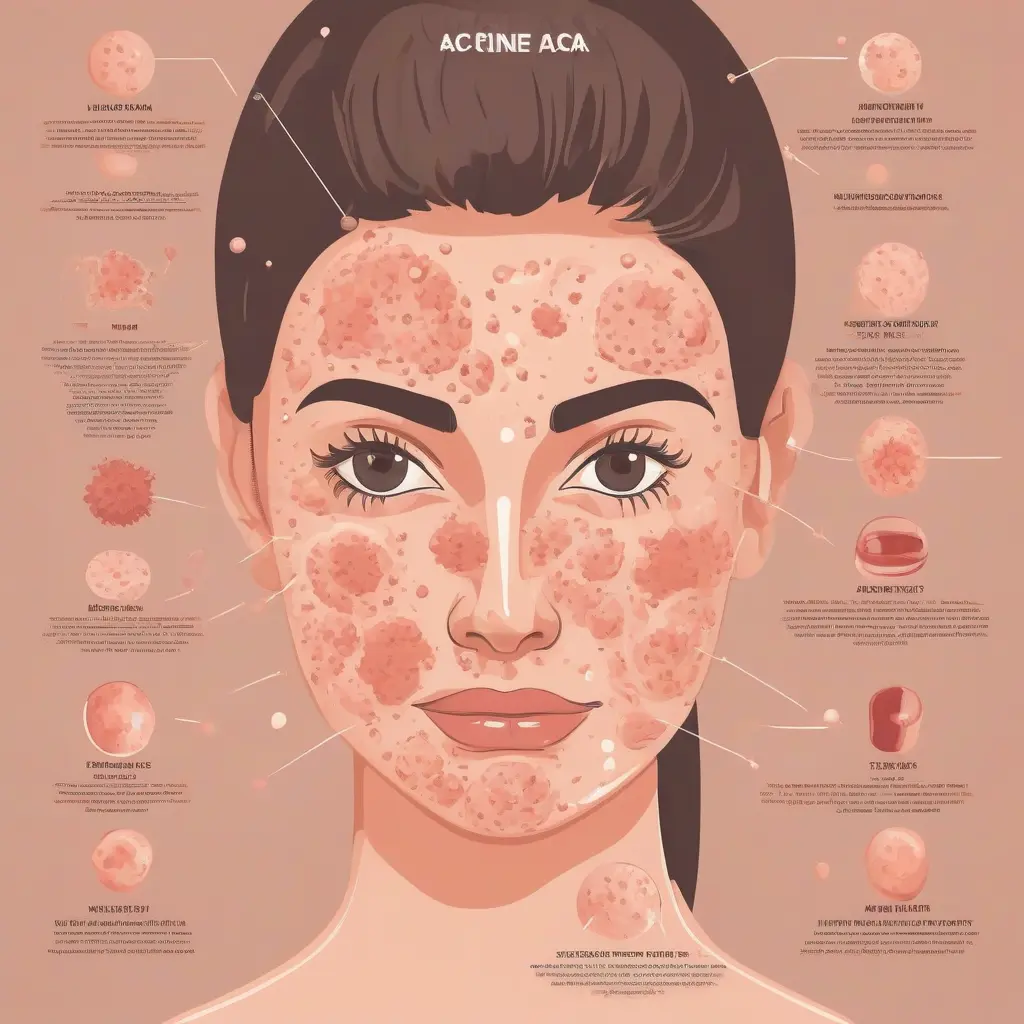
Acne manifests in several forms, including whiteheads, blackheads, papules, pustules, nodules, and cysts. Whiteheads and blackheads are non-inflammatory types, while papules and pustules are inflamed lesions containing pus. Nodules and cystic acne are more severe forms, typically deeper in the skin and requiring more intensive treatment. Recognizing the type of acne you’re dealing with is crucial for effective treatment strategies.
Whiteheads: Causes and Treatments
Whiteheads occur when a hair follicle becomes clogged with oil and dead skin cells, creating small, flesh-colored bumps. They are considered a mild form of acne and are often easy to treat with over-the-counter products containing salicylic acid or benzoyl peroxide. Regular exfoliation can also help prevent their formation, alongside maintaining a clean skincare routine tailored to your skin type.
Blackheads: Understanding and Managing
Blackheads are similar to whiteheads but are open at the surface. The oxidation of melanin causes the dark appearance. Blackheads can often be managed by regular cleansing and the use of exfoliating masks or scrubs. Ingredients like salicylic acid can unclog pores, while chemical exfoliants like glycolic acid can help remove dead skin, preventing their recurrence.
Papules: Identification and Remedies
Papules are small, raised, red bumps that result from inflamed hair follicles. They signify a mild inflammatory response and can be treated with topical treatments containing benzoyl peroxide or retinoids. In more resistant cases, a dermatologist might recommend antibiotic creams or oral medications to help reduce inflammation. Consistency in treatment is key to managing papules effectively.
Pustules: Causes and Recovery Steps
Pustules are similar to papules but filled with pus, giving them a white or yellow appearance. They can be uncomfortable and are often associated with more severe acne. Managing pustules typically involves keeping the area clean and applying topical treatments formulated to dry out the pus. Avoiding picking or squeezing is crucial to prevent scarring and worsen inflammation.
Nodules: Understanding Their Severity
Nodules are large, painful bumps that develop deep within the skin, representing a more severe form of acne. They can persist for weeks and are often resistant to conventional treatments. Intralesional corticosteroid injections or oral medications prescribed by a dermatologist may be necessary to reduce inflammation and promote healing. Regular skincare is still important in conjunction with professional treatment.
Cysts: Effective Treatment Approaches
Cysts are the most severe type of acne, resembling large boils and filled with pus. They can be painful and may lead to scarring. Treatment often involves professional medical intervention, including possible drainage or corticosteroid injections. Additionally, systemic medications like isotretinoin may be recommended for persistent cystic acne. A dermatologist can provide a comprehensive treatment plan tailored to your needs.
Hormonal Acne: Causes and Solutions
Hormonal acne typically occurs during puberty or menstrual cycles when hormonal fluctuations spike oil production. Both males and females can experience this type of acne, which often manifests along the jawline and chin. Treatments may include hormonal therapies such as birth control pills for women, and anti-androgens, alongside topical treatments designed to manage oil production.
Diet and Acne: The Connection
Diet can play a significant role in managing acne. Foods high in sugar, refined carbs, and dairy products may exacerbate acne symptoms for some individuals. Incorporating foods rich in antioxidants, omega-3 fatty acids, and fiber can improve skin health. Staying hydrated is also essential, as it helps maintain skin elasticity and aids in flushing out toxins. Consider keeping a food diary to identify any potential triggers.
Skincare Routine for Acne-Prone Skin
A consistent skincare routine tailored for acne-prone skin is vital in managing breakouts. Start with a gentle cleanser that won’t strip natural oils, followed by a toner to balance skin pH. Incorporate treatments with salicylic acid or benzoyl peroxide as needed and finish with a non-comedogenic moisturizer. Regular exfoliation, around twice a week, can also help prevent clogged pores and promote skin renewal.
When to Consult a Dermatologist
If over-the-counter treatments are ineffective after a few weeks or if you experience severe acne types, it’s time to consult a dermatologist. Professional evaluation can lead to tailored treatment options that may include prescription medications and therapeutic procedures. Early intervention can greatly reduce the risk of scarring and provide quicker relief.
Lifestyle Changes for Acne Prevention
Adopting specific lifestyle changes can also support acne prevention. Managing stress levels through techniques such as yoga or meditation can reduce hormonal fluctuations that trigger acne. Adequate sleep and regular exercise promote overall well-being. Additionally, avoiding touching your face and using antimicrobial pillowcases can further decrease acne flare-ups.
Conclusion
Recognizing and treating different types of acne is crucial for achieving clearer skin. By understanding the various forms of acne, their causes, and effective treatment options, you can tailor a skincare regime that addresses your specific needs. Consistent care, lifestyle changes, and professional guidance when necessary will contribute significantly to improving your skin health over time.