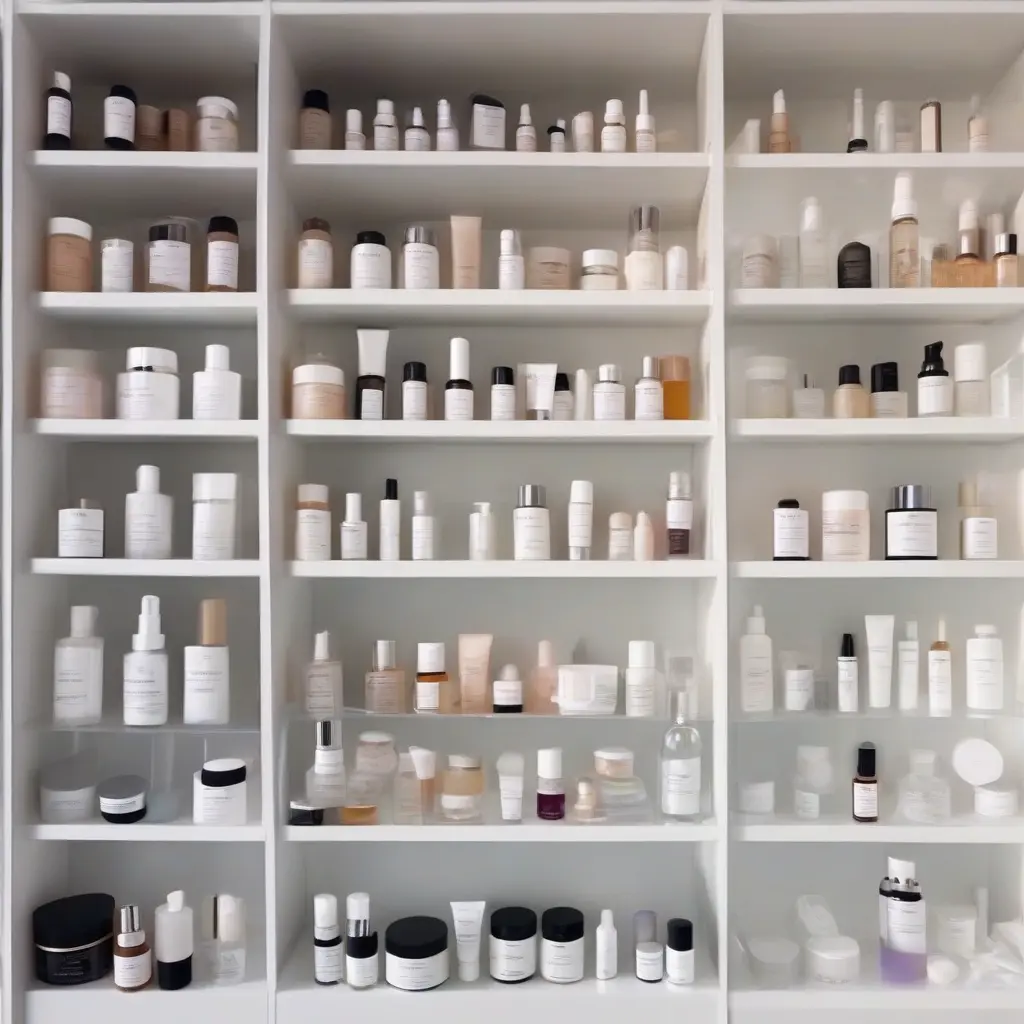


Navigating allergies can be a daunting task, especially when it comes to beauty products. Many individuals with sensitive skin or allergies often suffer from reactions triggered by common ingredients in cosmetics and skincare. Thankfully, hypoallergenic beauty products are specifically formulated to minimize these risks, offering a safer alternative. This guide will help you understand what hypoallergenic means, how to identify suitable products, and the key ingredients to look for, allowing you to confidently choose beauty items that cater to your skin’s unique needs.
Understanding Hypoallergenic Products
The term ‘hypoallergenic’ refers to products that are less likely to cause an allergic reaction. While there is no official regulatory definition, major beauty brands often use it to indicate that their formulas contain fewer allergens. Hypoallergenic products usually avoid common irritants like fragrances, parabens, and certain dyes. However, this does not guarantee that allergic reactions will never happen; it simply means that the risk is significantly lower. Understanding this distinction is key when choosing beauty products suitable for sensitive skin.
Identifying Skin Triggers
Before seeking hypoallergenic products, it is crucial to understand your specific skin triggers. Common allergens in beauty products include fragrances, preservatives, and certain botanical extracts. Keeping a personal record of any reactions can help you identify patterns and avoid potential irritants in the future. Patch testing new products on a small skin area can also provide insights into how your skin might react. This proactive approach will enable you to make more informed decisions when shopping for hypoallergenic beauty items.
Read Labels Carefully
One of the best practices when selecting hypoallergenic beauty products is to read labels thoroughly. Look for products explicitly labeled as hypoallergenic and free from irritants known to affect sensitive skin. Additionally, scrutinize the ingredient list for potential allergens that might not be obvious. Many companies are transparent about their formulations, and online databases can help you cross-check ingredients for allergic potential. This diligence ensures that you only choose products that align with your skin’s health needs.
Key Ingredients in Hypoallergenic Products
When searching for hypoallergenic beauty products, certain ingredients are often featured due to their gentleness on the skin. Look for soothing agents like aloe vera, chamomile, and calendula, which can calm irritation. Natural oils such as jojoba or argan oil are also beneficial, as they provide hydration without clogging pores. Furthermore, consider products containing ceramides, which help maintain the skin’s barrier. These ingredients not only reduce the risk of allergic reactions but also promote overall skin health.
Testing Products Safely
Once you find a hypoallergenic product that piques your interest, performing a patch test is essential to ensure it won’t irritate your skin. Apply a small amount of the product on the inside of your forearm or behind the ear and wait 24 to 48 hours. Monitor the area for any signs of redness, swelling, or rashes. If irritation occurs, it’s best to discontinue use immediately. This simple testing method can save you from unsightly allergic reactions, ensuring that you only include compatible products in your beauty routine.
Consulting Dermatologists
For individuals with severe skin allergies or conditions like eczema, consulting a dermatologist can be incredibly beneficial. A dermatologist can perform patch testing to identify specific allergens and recommend suitable hypoallergenic beauty products tailored to your skin type. They can also provide guidance on how to incorporate new products into your routine without compromising skin health. Professional advice can enhance the overall efficacy of your skincare regimen and help you navigate the vast array of beauty products available on the market.
Exploring Natural Beauty Products
Natural beauty products are often a great alternative for those with allergies. Many natural brands focus on using minimal ingredients, eliminating potentially harmful chemicals commonly found in traditional cosmetics. Ingredients derived from nature, such as coconut oil, shea butter, and botanical extracts, tend to be gentler on sensitive skin. Be sure to check that these products are indeed certified hypoallergenic, as natural does not always equate to hypoallergenic. Investigating the brand’s sourcing and production methods can also yield additional peace of mind.
Staying Informed About Allergies
Staying educated about allergies and hypoallergenic products can significantly enhance your beauty experience. Following reputable skincare blogs, forums, and social media channels dedicated to allergy-safe beauty can provide valuable insights and recommendations. Engaging with communities can also provide support, helping you learn from others’ experiences with various products. As the beauty industry observes growing demand for hypoallergenic options, staying informed will make it easier to adapt your beauty routine and avoid problematic ingredients.
The Importance of Moisturizing
Regardless of the specific products you choose, a good moisturizing routine is essential for all skin types, especially sensitive skin. Well-hydrated skin is less likely to react negatively to allergens and irritants. Look for hypoallergenic moisturizers containing calming ingredients like glycerin or hyaluronic acid to help maintain skin’s moisture barrier. Regularly moisturized skin can also enhance the effectiveness of other beauty products, leading to a healthier and more resilient complexion. Remember that maintaining skin health is just as vital as selecting the right products.
Conclusion
Navigating the world of hypoallergenic beauty products can be challenging, but understanding your needs and the ingredients involved can make a significant difference. By carefully selecting products labeled as hypoallergenic, testing them appropriately, and consulting professionals when necessary, you can effectively minimize allergic reactions while enjoying your beauty regimen. Staying informed and mindful of your skin’s sensitivities will empower you to make confident decisions and embrace beauty without compromise.