

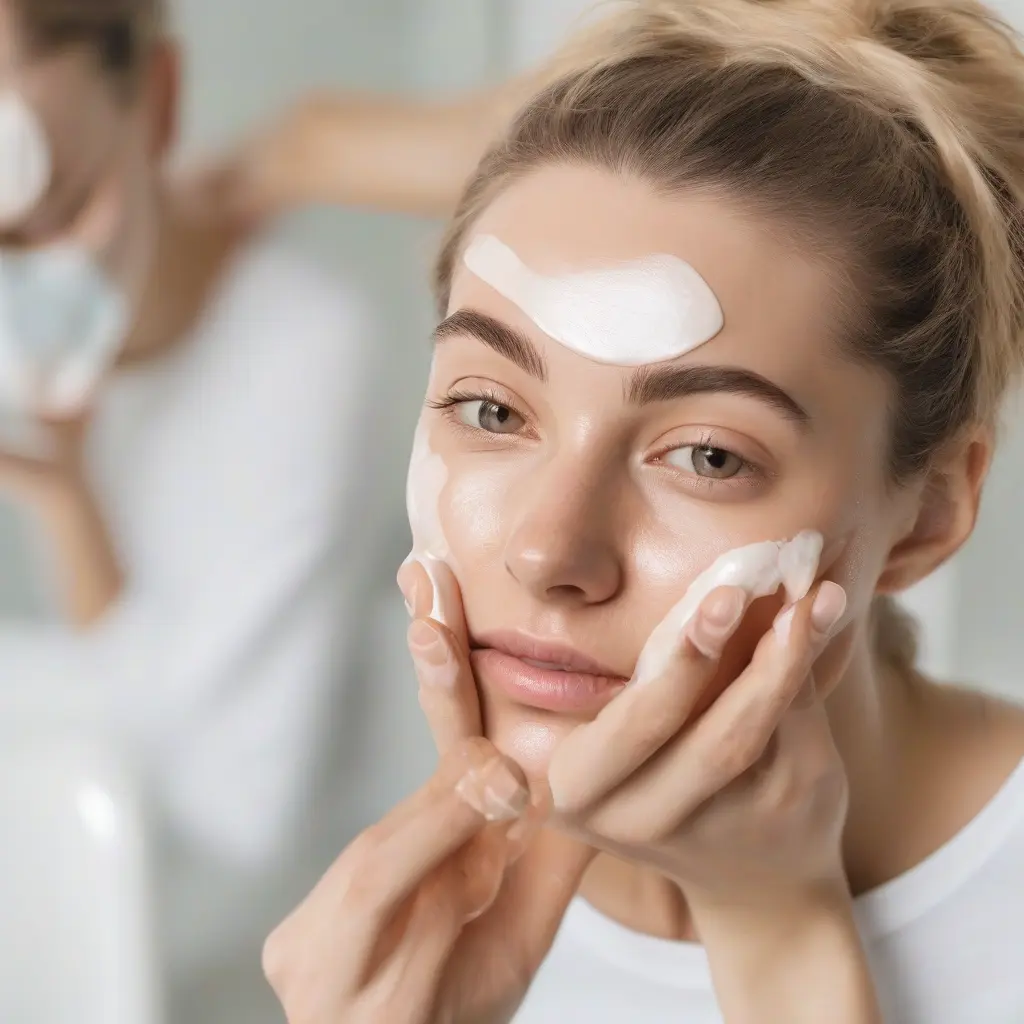
Finding the right skincare ingredients is essential for managing oily and acne-prone skin. These skin types require special attention to balance oil production while preventing breakouts. By using products enriched with specific active ingredients, individuals can target their unique skin concerns. This comprehensive guide will walk you through the best ingredients for your skincare regimen. Understanding these components not only helps in achieving a healthier complexion but also in preventing potential flare-ups.
Salicylic Acid: The BHA Superstar
Salicylic acid is a beta hydroxy acid (BHA) renowned for its ability to penetrate and exfoliate the skin. Ideal for oily and acne-prone skin, this ingredient helps unclog pores, reducing the formation of blemishes. It also possesses anti-inflammatory properties that calm irritated skin and minimizes redness. Regular use of products containing salicylic acid can result in a smoother texture and a decrease in acne flare-ups, making it a staple for those with oily skin.
Niacinamide: The Multitasker
Niacinamide, or vitamin B3, is a versatile ingredient that offers a wide range of benefits for oily and acne-prone skin. It helps to regulate sebum production, reducing excessive oiliness without drying the skin. Additionally, niacinamide improves skin barrier function and reduces inflammation, which can be particularly helpful for acne-prone individuals. Regular incorporation of niacinamide into a skincare routine can lead to a more balanced and clearer complexion.
Tea Tree Oil: Nature’s Antiseptic
Tea tree oil is a popular natural remedy for acne due to its powerful antimicrobial and anti-inflammatory properties. This essential oil penetrates the skin to combat acne-causing bacteria, helping to diminish existing breakouts and prevent future ones. When diluted properly, tea tree oil can be applied topically to affected areas, providing relief and promoting faster healing. However, it’s crucial to use it with caution, as its potency may cause irritation if used undiluted.
Glycolic Acid: An AHA for Clarification
Glycolic acid, an alpha hydroxy acid (AHA), is famous for its exfoliating properties. It effectively removes dead skin cells from the surface, helping to improve skin texture and clarity, which is essential for oily and acne-prone skin types. Regular use of glycolic acid can reduce the appearance of acne scars and promote a brighter complexion. It’s essential to follow up with sunscreen, as AHAs can increase sun sensitivity, ensuring that the skin remains protected.
Hyaluronic Acid: The Hydration Hero
Hyaluronic acid is often associated with dry skin, but it serves an equally important role for oily and acne-prone skin. This powerful humectant draws moisture into the skin, providing hydration without adding excess oil. Keeping the skin well-hydrated can help to balance oil production, preventing overactive oil glands. Incorporating hyaluronic acid into a skincare routine can leave the skin feeling plump and supple, ultimately contributing to a healthier appearance.
Retinoids: The Anti-Aging Ally
Retinoids, a derivative of vitamin A, are effective in treating oily and acne-prone skin due to their ability to promote cell turnover. By accelerating the shedding of dead skin cells and boosting collagen production, retinoids can dramatically improve the appearance of acne scars and overall skin texture. They also help to unclog pores and reduce the size of existing blemishes. Regular use can lead to clearer, smoother skin, making retinoids a popular choice among dermatologists.
Zinc: The Mineral for Skin Health
Zinc is an essential mineral that plays a crucial role in maintaining skin health, particularly for those with oily or acne-prone skin. It helps regulate oil production and possesses anti-inflammatory properties, making it beneficial for reducing acne flare-ups. Zinc can also aid in wound healing, promoting quicker recovery from blemishes. Incorporating zinc into your skincare routine, whether through topical products or supplements, can significantly improve your skin’s condition.
Lactic Acid: Gentle Exfoliation
Lactic acid is another AHA that offers mild exfoliation suitable for sensitive, oily, and acne-prone skin. Unlike stronger acids, lactic acid is gentler, making it a good choice for those new to chemical exfoliation. It helps to remove dead skin cells, preventing clogged pores and promoting a smoother complexion. Additionally, it hydrates the skin, enhancing overall texture while minimizing the risk of irritation. Regular incorporation can help maintain a clear and radiant appearance.
Essential Oils: Aromatherapy Benefits
Several essential oils, like lavender and bergamot, provide both aromatherapy benefits and skin-soothing properties. These oils can help balance skin oiliness and contribute to an overall sense of well-being. When diluted and applied topically, they can calm irritated skin and provide additional antimicrobial support. However, it’s essential to use essential oils in moderation and with proper dilution to avoid potential skin irritation.
Conclusion
Navigating the world of skincare for oily and acne-prone skin can be challenging, but understanding the best ingredients can make a significant difference. Integrating components like salicylic acid, niacinamide, and retinoids into your routine can lead to clearer, healthier skin. Always remember to conduct patch tests when trying new products and consult with a dermatologist for tailored advice. A mindful approach to skincare can help you achieve your skincare goals.