
Antioxidants play a crucial role in skincare, offering protection against harmful free radicals and environmental stressors. These powerful compounds not only combat aging signs but also enhance overall skin health. Understanding their function can help you make informed choices in your skincare routine. From vitamin C to green tea extract, various antioxidants provide specific benefits, making them essential ingredients in modern beauty products. This article will explore the different types of antioxidants, their advantages, and how to incorporate them into your daily regimen for radiant skin.
What Are Antioxidants?
Antioxidants are molecules that can neutralize free radicals, which are unstable atoms that can damage cells in the body, leading to premature aging and various skin issues. These compounds are naturally found in many foods and can also be synthesized for use in skincare products. Antioxidants help protect the skin from oxidative stress, which occurs due to environmental factors like UV exposure and pollution. By incorporating antioxidants into daily skincare routines, individuals can significantly enhance their skin’s resilience and overall appearance.
Why Are Antioxidants Important for Skin Health?
Antioxidants are vital for maintaining skin health as they mitigate damage caused by free radicals, which can lead to wrinkles, fine lines, and dullness. They improve skin’s elasticity and texture by promoting collagen production and reducing inflammation. Moreover, antioxidants can help brighten the skin tone, making it look more vibrant and youthful. By fighting oxidative stress, they also lower the risk of skin diseases, offering a protective barrier against harmful environmental aggressors. Incorporating adequate antioxidants into the skincare regimen can lead to noticeable improvements over time.
Common Types of Antioxidants in Skincare
Several antioxidants are commonly used in skincare formulations, each offering unique benefits. Vitamin C is known for brightening the skin and enhancing collagen synthesis, while vitamin E provides hydration and improves skin texture. Green tea extract is a potent anti-inflammatory and helps combat skin damage from UV rays. Other notable antioxidants include ferulic acid, resveratrol, and coenzyme Q10, which all contribute to a more youthful and radiant complexion. Understanding these compounds can guide consumers in selecting the right products for their skin concerns.
How to Choose Antioxidant-Rich Products
When selecting antioxidant-rich skincare products, it is essential to choose formulations that feature stable and effective ingredients. Look for products with a high concentration of active antioxidants and consider the formulation type, such as serums or creams, which tend to deliver better results. It’s also important to check for other beneficial components that complement antioxidants, such as peptides and hyaluronic acid. Additionally, consumers should consider their skin type and specific concerns when choosing products to ensure optimal compatibility and effectiveness.
Incorporating Antioxidants into Your Daily Routine
Incorporating antioxidants into your skincare routine can be done seamlessly with a few simple steps. Start by selecting a serum rich in antioxidants to be applied after cleansing and toning. Follow this with a moisturizer that also contains antioxidant ingredients for optimal hydration and protection. It’s essential to apply sunscreen daily, as it works synergistically with antioxidants to protect skin from UV damage. By consistently using these products, individuals can maximize the benefits of antioxidants, resulting in healthier, more resilient skin over time.
Potential Side Effects of Antioxidants
While antioxidants are generally considered safe and beneficial for most skin types, some individuals may experience mild irritation or allergic reactions, particularly with certain ingredients like vitamin C. It is advisable to conduct a patch test before fully incorporating a new product into your regimen. Additionally, using higher concentrations of active antioxidants can sometimes lead to sensitivity, especially for those with sensitive skin. Therefore, it’s crucial to introduce these products gradually and consult with a dermatologist if you’re unsure about how to safely use antioxidant-rich formulations.
Natural Sources of Antioxidants for Skincare
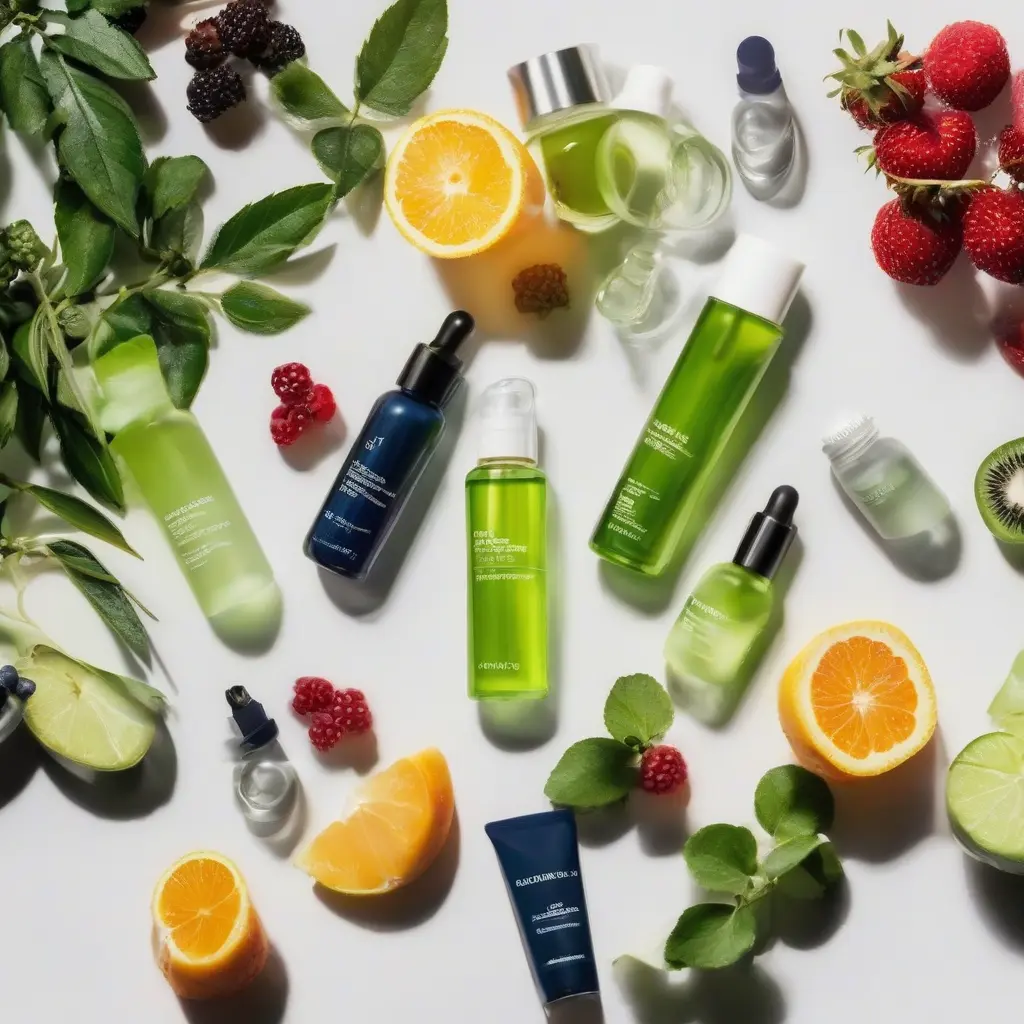
Many natural sources of antioxidants can be easily integrated into your diet and skincare routine. Fruits like berries, oranges, and pomegranates are packed with vitamins and antioxidants that promote skin health from the inside out. Herbal teas, particularly green tea and rooibos, are also rich in powerful antioxidants. Oils like argan and rosehip contain essential fatty acids and antioxidants that can nourish and protect the skin. Utilizing both dietary sources and topical applications can enhance the skin’s appearance and support healthy aging.
The Future of Antioxidants in Skincare
The future of antioxidants in skincare looks promising, with ongoing research focusing on new compounds and innovative formulations. Scientists are exploring how antioxidants can be combined with other active ingredients to enhance their effectiveness and stability. Additionally, advancements in delivery methods, such as encapsulation techniques, may increase the penetration of antioxidants into the skin, providing better results. As consumer awareness of skincare ingredients grows, the demand for effective antioxidant solutions is likely to continue rising, leading to more comprehensive and targeted products.
Conclusion
Antioxidants are essential for maintaining healthy, youthful skin, making them a vital component of any skincare routine. By understanding the different types, their benefits, and how to incorporate them, individuals can significantly enhance their skincare regimen. Whether through topical products or dietary sources, the consistent use of antioxidants can yield long-term improvements in skin health and appearance, making them a worthwhile investment in beauty and wellness.