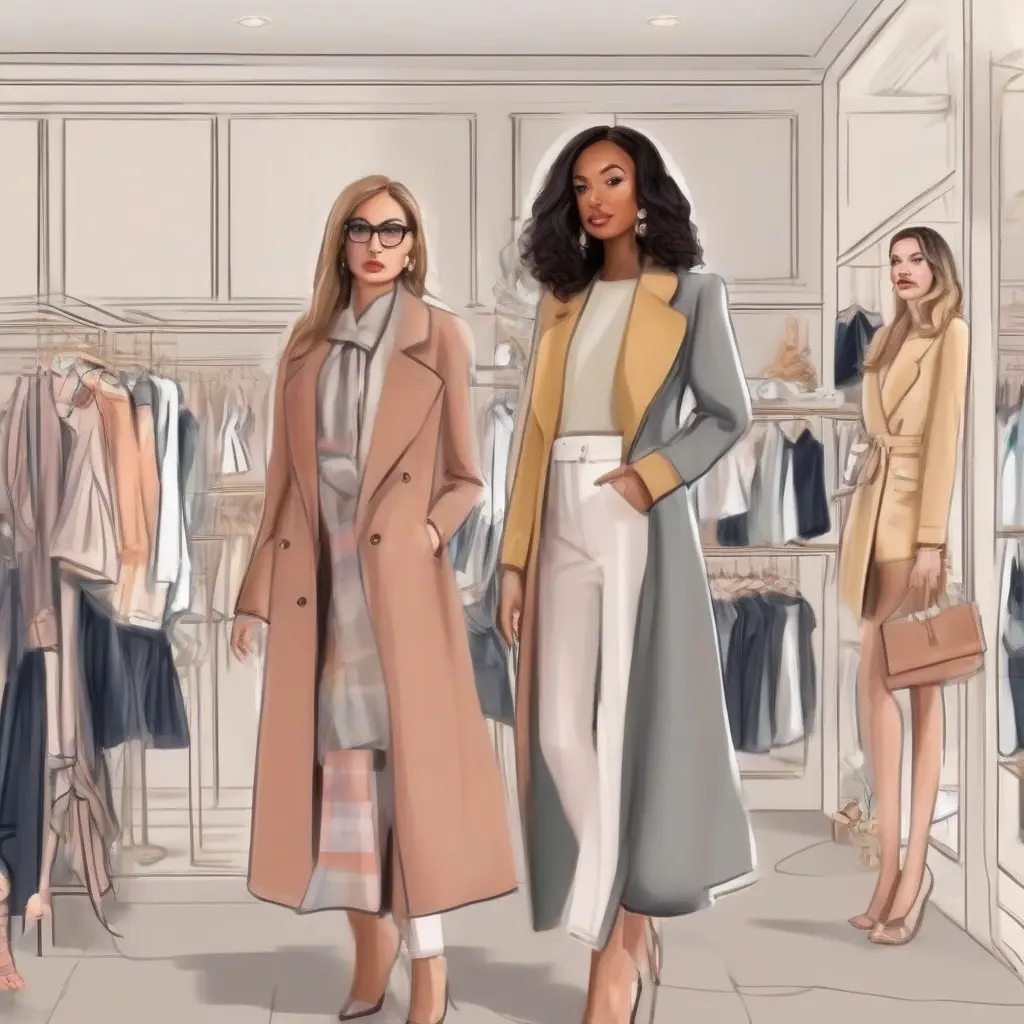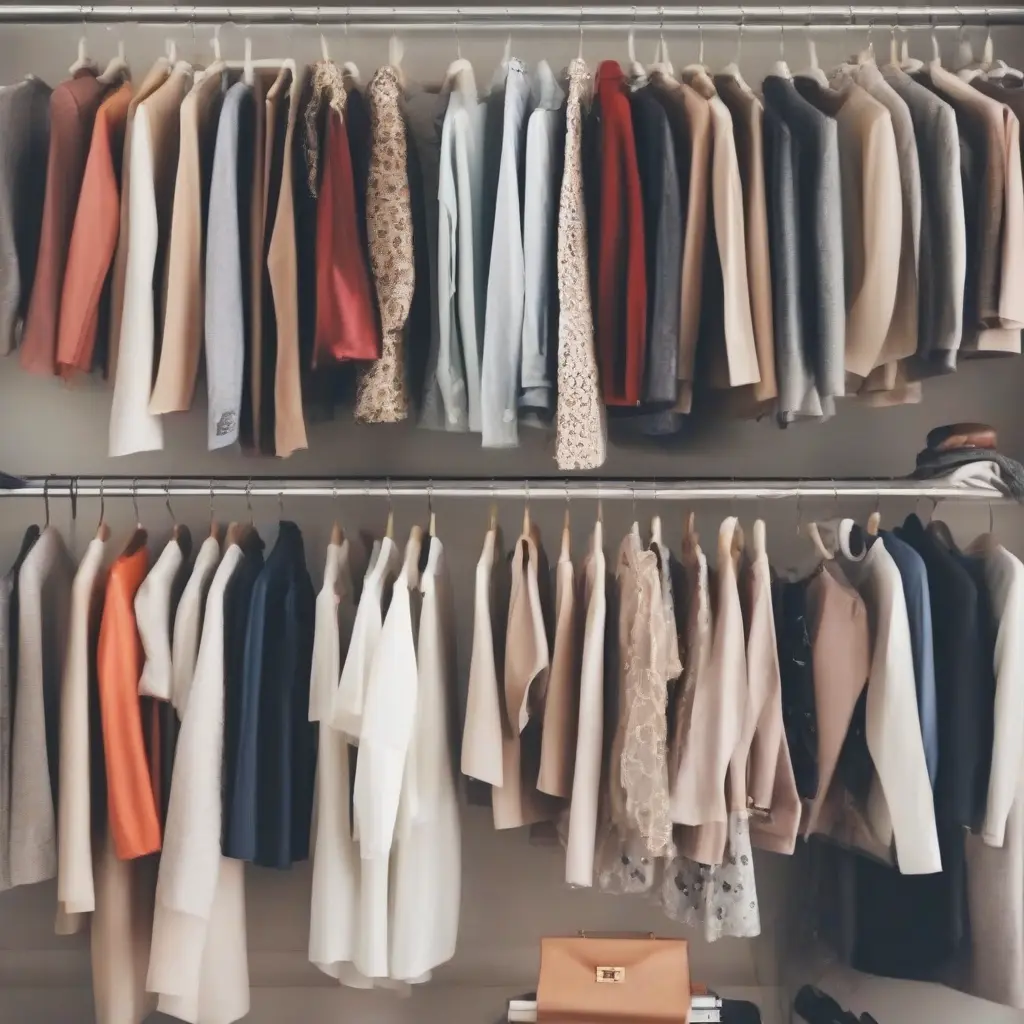

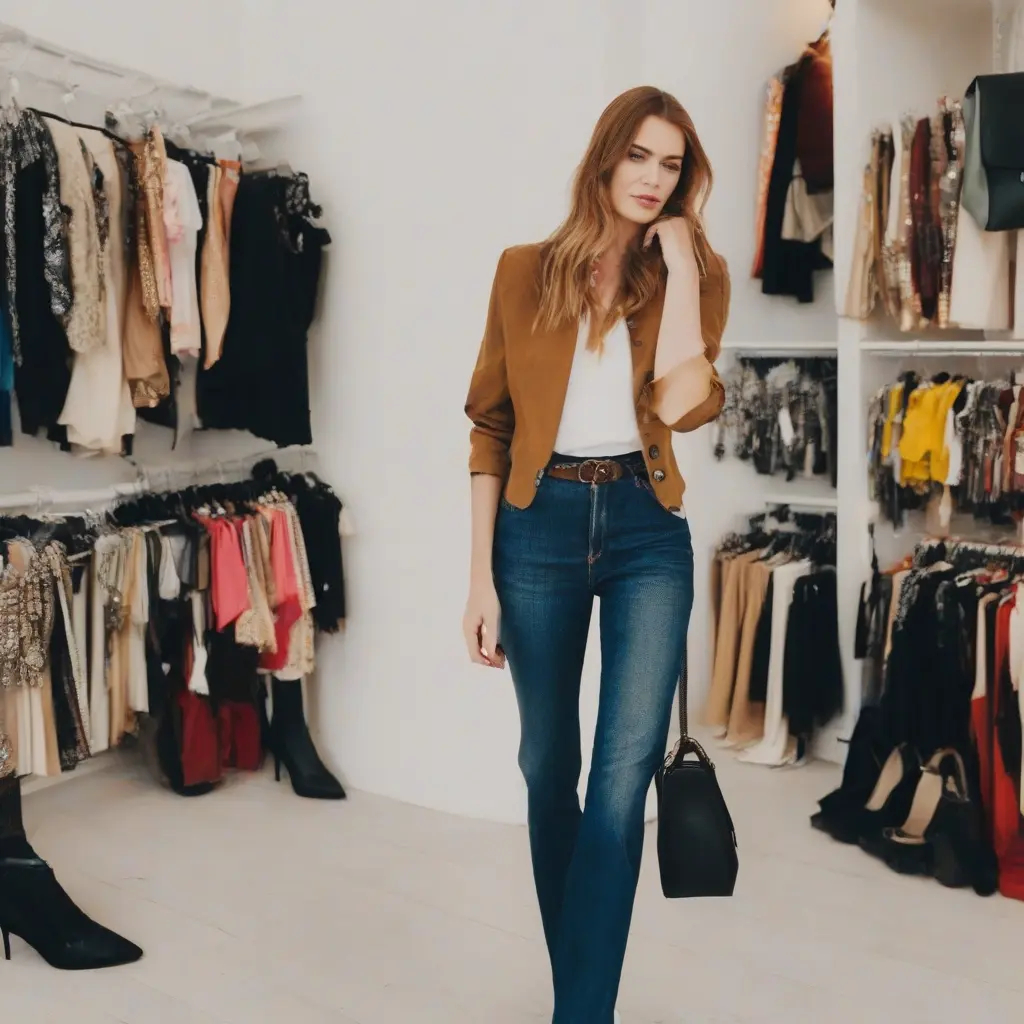
The fashion resale market has exploded in recent years, offering consumers a sustainable and affordable way to enjoy luxury items. With a growing number of platforms dedicated to pre-owned designer goods, both buyers and sellers can benefit from this trend. By understanding key aspects such as where to purchase, how to authenticate items, and tips for selling effectively, enthusiasts can navigate this market confidently. This guide delves into the essentials of buying and selling pre-owned designer items, making it easier for you to participate in this exciting fashion phenomenon.
Understanding the Fashion Resale Market
The fashion resale market refers to the buying and selling of pre-owned clothing, accessories, and shoes, particularly those from luxury brands. As consumers increasingly prioritize sustainability and cost-effectiveness, this market has gained significant traction. Trends show that second-hand purchases not only reduce waste but also often present buyers with unique pieces that are no longer available in retail stores. Knowledge of this market is vital for both purchasers looking for good deals and sellers aiming to effectively price their products, ensuring a mutually beneficial transaction.
Benefits of Buying Pre-Owned Designer Items
Buying pre-owned designer items comes with several benefits that attract savvy shoppers. First, it allows individuals to attain high-quality, luxury items at a fraction of their original price, making luxury fashion more accessible. Additionally, purchasing second-hand helps reduce fashion waste, as it gives clothing a second life instead of contributing to landfills. Furthermore, many pre-owned pieces are rare or vintage, adding unique value to a wardrobe. Lastly, buyers can also find out-of-season collections that are no longer available in traditional retail settings.
Where to Buy Pre-Owned Designer Items
Today, there are various platforms where you can buy pre-owned designer fashion, each catering to different preferences. Online marketplaces like The RealReal, Vestiaire Collective, and Poshmark have become popular for a vast selection of items. Social media platforms, including Instagram and Facebook groups, also feature many sellers showcasing their collections. Offline, consignment shops and thrift stores can offer hidden gems at unbeatable prices. Knowing where to shop is essential for accessing the best deals and finding quality items.
How to Authenticate Designer Items
Authentication is crucial when buying pre-owned designer items to ensure you are investing in genuine products. Various factors can help establish authenticity, such as examining the stitching, logos, and materials used. Many brands provide specific authenticity cards or serial numbers, which can be verified through the brand’s customer service or website. Additionally, working with reputable resale platforms that offer guarantees on authenticity can provide peace of mind. Familiarizing yourself with these signs will reduce the risk of counterfeit items and enhance your buying experience.
Tips for Selling Pre-Owned Designer Items
If you’re looking to sell your pre-owned designer items, it’s essential to present them effectively to attract potential buyers. Start by thoroughly cleaning and ensuring that the items are in the best possible condition. High-quality photographs showcasing the item from various angles and highlighting unique details are vital for online listings. Additionally, write clear, honest descriptions that disclose any flaws or signs of wear. Pricing fairly based on the item’s condition and market demand will also enhance your chances of making a successful sale.
Choosing the Right Selling Platform
Selecting the appropriate platform to sell your pre-owned designer items can significantly impact your success. Various options cater to different audiences and item types, from online marketplaces like eBay and Poshmark to dedicated luxury platforms such as The RealReal. Social media platforms can also serve as effective selling venues, allowing direct communication with buyers. Each option has its fees, audience reach, and convenience levels, so choosing one that aligns with your selling goals is essential for maximizing profits and ensuring a smooth transaction.
Understanding Market Trends
Staying informed about market trends is vital for both buyers and sellers in the fashion resale market. Fashion trends can greatly influence the demand for certain items, so keeping track of what’s popular can equip you with knowledge on when to buy or sell. Seasonal changes, celebrity endorsements, and social media influences can shift consumer interest. Additionally, following fashion resale experts and platforms can help you navigate price fluctuations and determine the best times for listing items or making purchases.
The Future of the Fashion Resale Market
The fashion resale market is poised for continued growth as more consumers recognize the benefits of buying second-hand. Increasing awareness of sustainability and eco-conscious fashion choices will likely drive more people toward pre-owned luxury items. Furthermore, major brands are beginning to participate in the resale market by offering their own second-hand platforms or endorsing resale initiatives. This evolving landscape suggests that the trends in the resale market will continue to reshape how consumers think about fashion consumption and ownership, making it an exciting space to watch.
Conclusion
Engaging in the fashion resale market opens up a world of possibilities for both buyers and sellers. By understanding the intricacies of how to buy and sell pre-owned designer items, participants can make informed decisions that benefit their wallets and promote sustainable fashion. As this market continues to evolve, staying educated on trends and practices will be pivotal in navigating this dynamic space efficiently.