

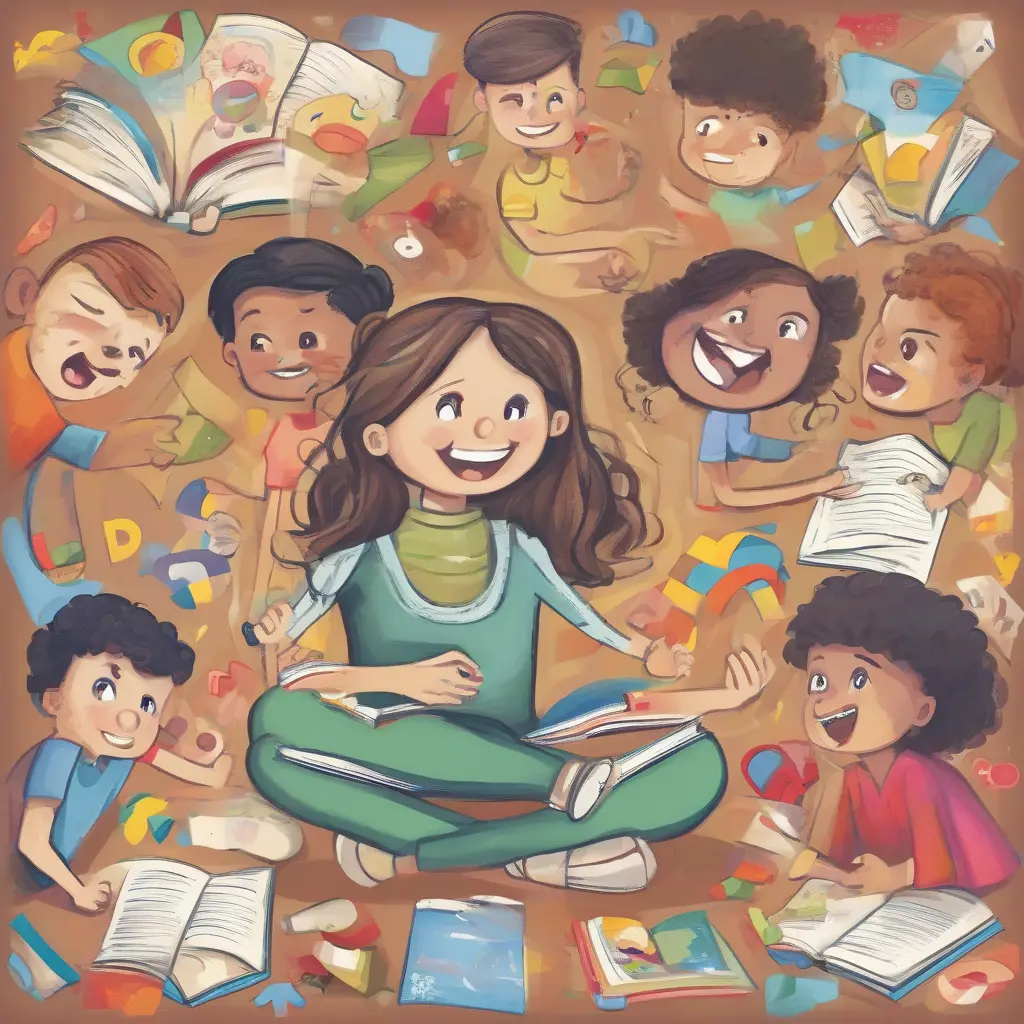
Emotional literacy is increasingly recognized as a fundamental skill for children, equipping them to navigate their feelings and understand those of others. This ability enhances not only personal relationships but also academic performance and social interactions. Teaching emotional literacy involves more than simply recognizing emotions; it requires children to learn how to express, manage, and reflect on their feelings effectively. By fostering emotional literacy from an early age, parents and educators can create a nurturing environment that supports emotional growth, resilience, and empathy, ultimately laying a stronger foundation for future interactions and coping mechanisms.
What is Emotional Literacy?
Emotional literacy refers to the ability to recognize, understand, and express emotions effectively. It involves not just the identification of feelings but also the ability to articulate them and respond appropriately in various social contexts. Children who develop this skill are more likely to establish healthy relationships, demonstrate empathy, and engage in better communication. Emotional literacy is fundamental to social learning, influencing how children interact with peers and caregivers, thus playing a crucial role in their overall emotional and mental well-being.
The Benefits of Emotional Literacy in Children
Developing emotional literacy in children offers numerous benefits that extend into adulthood. Emotionally literate individuals are equipped to handle stress, make responsible decisions, and communicate effectively, making them better equipped for varied life situations. Children who understand their emotions can express them constructively, which reduces conflicts and promotes healthier relationships. Furthermore, as they navigate their emotional landscapes, these children build resilience that allows them to face life’s challenges with a robust support system, enhancing their mental health overall.
Understanding Emotions: Key Components
To foster emotional literacy, it is vital to understand the key components that enrich emotional intelligence. These include awareness of one’s own emotions, awareness of others’ emotions, emotional regulation, and effective expression. Such components significantly contribute to social interactions and personal well-being. By teaching children to recognize their own feelings and those of others, caregivers can help them develop empathy and relational skills. Emotional regulation allows children to manage their feelings appropriately, leading to more constructive outcomes in their interactions.
Practical Activities to Foster Emotional Literacy
Engaging children in practical activities can significantly enhance their emotional literacy. Games that involve role-playing scenarios help children practice recognizing and responding to emotions. Storytelling is another effective tool; discussing the emotions of characters and how they navigate their feelings encourages children to reflect on their own experiences. Additionally, art activities like drawing or crafting emotions allow kids to express what they feel in a non-verbal manner, making it easier for them to articulate complex feelings. These activities serve as valuable opportunities for children to learn and discuss emotions in a safe environment.
The Role of Parents in Developing Emotional Literacy
Parents play a crucial role in nurturing emotional literacy in their children. By modeling healthy emotional expression and communication, they set examples for children to follow. Open discussions about feelings in daily conversations can help normalize emotional expression and foster a supportive family environment. Additionally, parents should encourage children to name their emotions, providing them with the vocabulary needed to articulate their feelings. Consistent, empathetic guidance helps children develop confidence in understanding their emotions, ultimately benefitting their overall emotional health.
Educators’ Impact on Emotional Literacy
Educators are pivotal in shaping the emotional literacy of children within school settings. By integrating emotional learning into the curriculum, teachers can create an atmosphere where emotional expression is valued and respected. Training programs that emphasize emotional intelligence equip educators to identify students who may struggle with emotional regulation and provide them with the necessary support. Classroom discussions surrounding feelings, conflict resolution, and empathy-building activities contribute significantly to a child’s ability to understand and manage emotions, reinforcing the foundation for emotional literacy.
Challenges in Building Emotional Literacy
Despite its importance, fostering emotional literacy does come with challenges. Some children may find it difficult to articulate their feelings due to a lack of vocabulary or fear of judgment. Additionally, cultural differences can affect how emotions are expressed and understood. In some families, discussing emotions may be discouraged, creating barriers to openness. Overcoming these challenges requires a collaborative effort between parents, educators, and communities to provide a consistent, nurturing environment where emotional expression is supported and encouraged. Education and resources can help break down these barriers.
The Long-Term Effects of Emotional Literacy
The long-term benefits of emotional literacy extend far into adulthood, influencing personal relationships, career success, and mental health. Adults with high emotional intelligence are better equipped for leadership roles, as they can manage stress, collaborate effectively, and resolve conflicts amicably. Moreover, emotional literacy is linked to improved mental health outcomes; it reduces the incidence of anxiety and depression by equipping individuals with coping strategies to manage their feelings. Thus, fostering emotional literacy in childhood is an investment in lifelong emotional health and relational success.
Conclusion
In conclusion, emotional literacy is a vital skill that shapes children’s futures, impacting their ability to communicate, empathize, and understand emotions. By prioritizing the development of this skill through practical activities, supportive parenting, and educational strategies, we enhance children’s emotional health and relational dynamics. As we nurture emotional literacy, we equip children not only for academic success but also for the complexities of adult life, fostering a generation capable of forging meaningful connections and navigating their emotional landscapes with confidence.